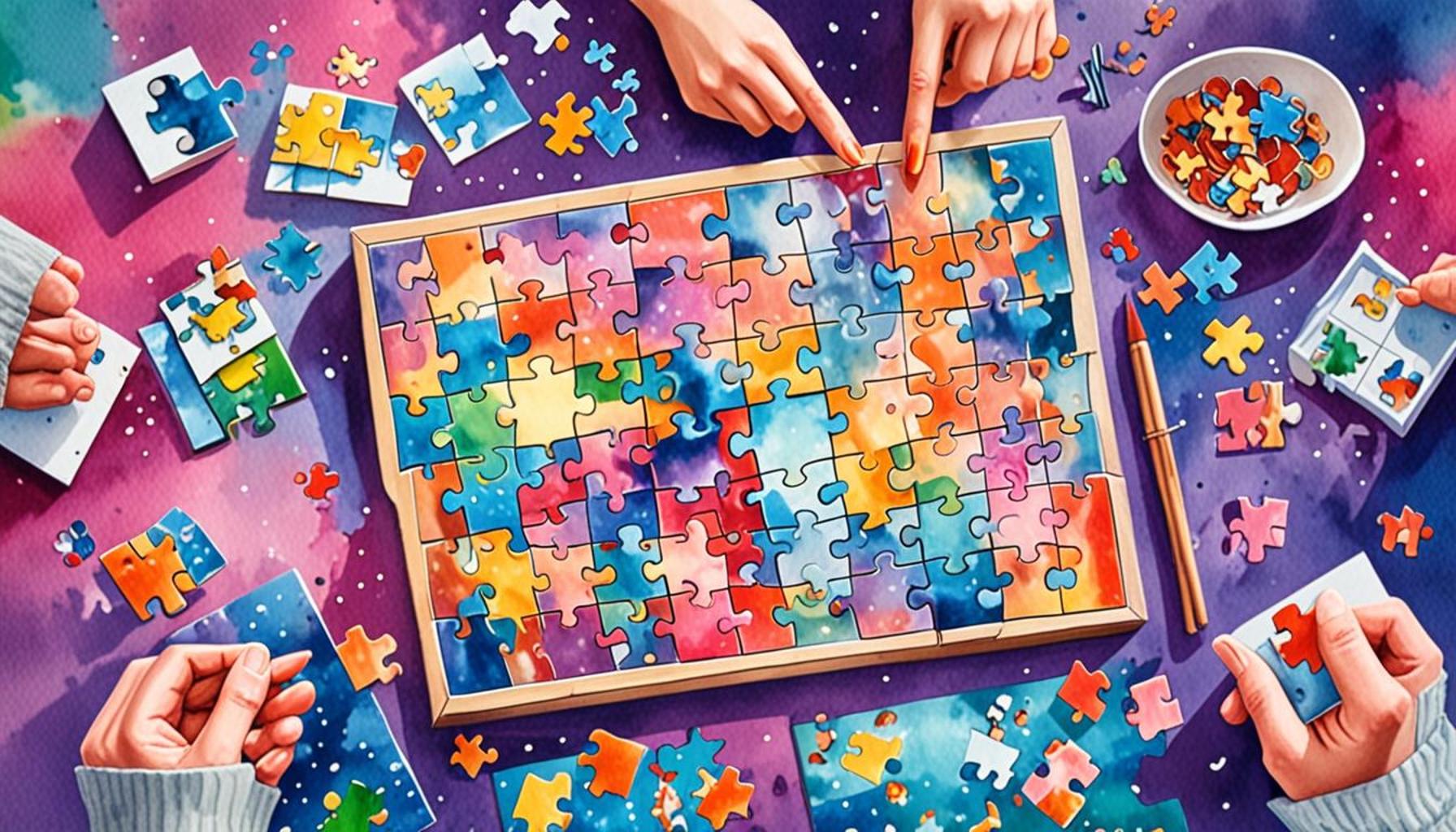
The Science Behind Cognitive Challenges: How Brain Teasers Enhance Memory Retention
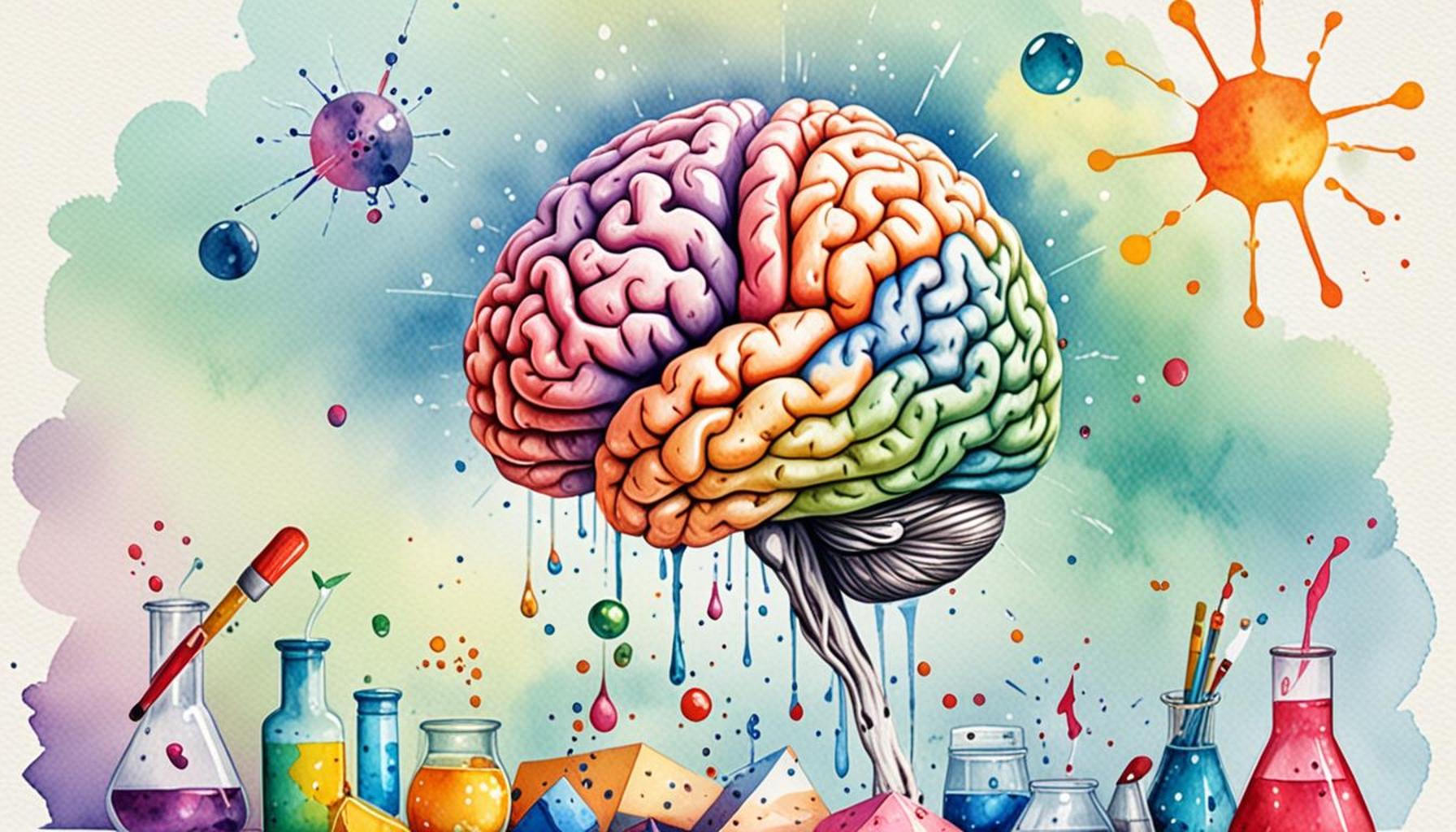
Understanding Cognitive Challenges
The human brain is a remarkable organ, capable of incredible feats of memory and learning. Yet, even the most adept minds can face challenges in retaining information. Cognitive challenges, such as brain teasers, play a vital role in enhancing our memory retention abilities. They serve as engaging tools that not only entertain but also stimulate cognitive functions. In a world where information is constantly bombarding us, incorporating exercises that enhance our thinking capabilities has become essential.
Brain Teasers Explained
Brain teasers are not just amusing puzzles; they have significant cognitive benefits that can influence various aspects of daily life. These challenges stimulate mental processes, encouraging deeper engagement with information. As individuals grapple with tricky questions or logic puzzles, they inadvertently boost their cognitive functions. Here’s why they are essential:
- Memory Improvement: Engaging with puzzles strengthens neural connections, allowing for improved recall and retention. Studies have shown that regularly challenging oneself with memory games can lead to a sharper mind over time.
- Increased Focus: Solving problems hones concentration and reduces distractions. For instance, completing a Sudoku puzzle requires a level of attention that can translate to better focus in academic or professional settings.
- Enhanced Problem-Solving Skills: Teasers encourage critical thinking, fostering creativity and resourcefulness. When faced with a difficult riddle, the brain is pushed to think outside the box, a skill beneficial in both personal and workplace scenarios.
The Science Behind It
Research suggests that actively engaging with brain teasers can lead to physical changes in the brain. Cognitive challenges activate networks associated with memory, contributing to better retention of both short-term and long-term information. For example, a study conducted by neuroscientists at the University of California revealed that participants who regularly engaged in cognitive games scored higher on memory tests compared to those who did not.
Additionally, the act of solving puzzles can release neurotransmitters such as dopamine, which improve feelings of pleasure and satisfaction, reinforcing the desire to engage with cognitive challenges. This fascinating interplay of mental activities and biochemical responses demonstrates that our pursuit of knowledge can shape our brain’s architecture and functionality.
In conclusion, brain teasers serve as more than just a friendly challenge; they are an essential part of maintaining and enhancing our cognitive health. By incorporating these engaging puzzles into our daily lives, we not only entertain ourselves but also nurture our ability to learn, focus, and think critically. As we delve further into the numerous benefits that brain teasers provide, one thing remains clear: our brains thrive on challenge and engagement, and embracing cognitive puzzles is a step towards a more robust and agile mind.
DIVE DEEPER: Click here to uncover the benefits of puzzles
The Cognitive Mechanics of Brain Teasers
Diving deeper into the realm of cognitive challenges, brain teasers act as powerful tools that stimulate our mental faculties. These puzzles are specifically designed to engage various cognitive functions, including memory, attention, and logical reasoning. When we encounter a brain teaser, our brain is prompted to access recall pathways, creating a unique opportunity for enhancing memory retention and improving overall cognitive performance.
How Brain Teasers Activate the Brain
When solving brain teasers, several key processes take place within the brain. These challenges require us to tap into different parts of our brain—most notably the prefrontal cortex, responsible for executive functions such as decision-making and problem-solving. As we engage with these puzzles, we activate neural pathways that reinforce memory and learning capabilities. This process has been backed by various studies, demonstrating that individuals who regularly engage in brain exercises exhibit stronger memory retention and cognitive flexibility.
Below are some specific mechanisms through which brain teasers enhance cognitive abilities:
- Neuroplasticity: This term describes the brain’s ability to reorganize itself by forming new neural connections. Engaging in brain teasers promotes neuroplasticity, leading to improved memory and cognitive functionality.
- Working Memory Enhancement: Brain teasers challenge our short-term memory capacity. For example, a challenging crossword puzzle requires us to hold clues and words in mind simultaneously, effectively strengthening our working memory.
- Increased Synaptic Efficiency: Solving puzzles can enhance communication between neurons, making synaptic connections more efficient. This increased efficiency can lead to faster information retrieval, a vital aspect of memory retention.
Empirical Evidence Supporting Brain Teasers
Numerous studies have examined the impact of brain teasers on cognitive abilities. A study published in the journal Neuropsychology found that older adults who regularly engaged in mentally challenging activities, including puzzles, showed significantly slower cognitive decline compared to those who did not partake in such tasks. Another research project from the University of Illinois showed that participants who solved brain teasers exhibited higher memory test scores than control groups, underscoring the positive impact of these challenges on cognitive longevity.
Through the blending of fun and function, brain teasers not only entertain but also fortify our cognitive reserve. The relationship between engaging in cognitive challenges and improved memory retention is clear, making it essential for individuals of all ages to incorporate these activities into their daily routines. In a time when knowledge is ever-increasing and demands on our memory are greater than ever, embracing brain teasers can be a vital strategy for enhancing our mental agility and preserving cognitive health.
The Impact of Brain Teasers on Memory Enhancement
As we delve deeper into the science surrounding cognitive challenges, it becomes clear that brain teasers are not merely fun distractions; they play a significant role in enhancing memory retention. By engaging in activities that stimulate various mental faculties, individuals can improve their cognitive capabilities and memory over time.The underlying principle is rooted in neuroplasticity, the brain’s ability to adapt and reorganize itself by forming new neural connections. When individuals tackle brain teasers—such as puzzles, riddles, or logic games—they force their brains to work in new and challenging ways. This engagement prompts the brain to strengthen existing connections and create new ones, ultimately leading to elevated memory retention.Moreover, brain teasers encourage active learning. Unlike passive study methods, these challenges require participants to actively engage with the content presented. This form of learning is proven to be more effective, as it fosters deeper understanding and quicker recall. For instance, studies show that individuals who practice brain teasers experience improvements in their short-term memory, as they often relate the challenges to prior knowledge, enhancing retention.Additionally, consistent exposure to cognitive challenges can aid in combating age-related memory decline. Research indicates that older adults who actively participate in mind-stimulating activities, such as brain teasers, show significantly reduced risks of cognitive impairments compared to their sedentary counterparts. This suggests that brain teasers may serve as a protective factor, allowing individuals to maintain their cognitive health as they age.Incorporating brain teasers into daily routines may seem trivial, but the benefits—ranging from improved memory retention to greater mental agility—are profound. Engaging with these cognitive challenges enhances not just memory, but various aspects of cognitive function, paving the way for a sharper, more agile mind.
| Category | Key Features |
|---|---|
| Types of Memory Increased | Short-term and long-term memory improvement |
| Engagement Techniques | Active participation versus passive absorption. |
DIVE DEEPER: Click here to uncover more insights
The Psychological Impact of Solving Brain Teasers
Beyond the neurological underpinnings, brain teasers also invoke significant psychological benefits that further contribute to enhanced memory retention. Solving these puzzles involves not just mental exertion, but also emotional engagement, creativity, and the satisfaction of overcoming challenges. This multi-faceted approach engages various cognitive processes, leading to a more enriching learning experience.
Stress Reduction and its Effect on Memory
One of the often-overlooked elements of cognitive enhancement through brain teasers is their potential to reduce stress. Engaging with a puzzle can serve as a form of distraction, allowing individuals to temporarily escape from daily stressors. A study conducted by the American Psychological Association indicates that reducing stress levels can promote better memory retention. When stress is minimized, the brain can focus more efficiently on processing and storing new information. By providing a fun and engaging mental break, brain teasers may actually facilitate a more conducive environment for learning and memory improvement.
The Role of Motivation and Enjoyment
It is critical to acknowledge the motivational aspect of engaging with brain teasers. The enjoyment derived from solving these puzzles has been linked to the release of dopamine, a neurotransmitter associated with pleasure and reward. This release not only enhances mood but also encourages repeated engagement with cognitively stimulating activities. Research conducted by the University of California, Los Angeles (UCLA) found that individuals who frequently engaged in enjoyable cognitive challenges demonstrated increased test scores in memory tasks compared to those who did not. Thus, the intrinsic motivation to engage with brain teasers can reinforce both memory and learning pathways.
Diverse Types of Brain Teasers and Their Unique Benefits
Not all brain teasers are created equal; different types cater to different cognitive skills and can lead to varied enhancements in memory retention. Here are a few examples:
- Logic puzzles: These stimulate analytical thinking and improve problem-solving skills, promoting complex memory retention strategies.
- Visual puzzles: Such as jigsaw puzzles or picture crosswords, emphasize spatial awareness and visual memory, essential for retaining visual information.
- Word puzzles: Engaging in crosswords or word searches can directly increase vocabulary while improving verbal memory, crucial for language retention.
Research indicates that incorporating a balance of these diverse puzzle types can lead to a well-rounded enhancement of cognitive functions. Individuals who diversify their brain teaser activities report not only improved memory but also heightened creativity and adaptability.
Age-Related Benefits of Brain Teasers
With an aging population in the United States, the importance of cognitive health has never been more critical. Brain teasers play an essential role in mitigating age-related cognitive decline. According to a longitudinal study published in the Journal of the American Geriatrics Society, older adults who consistently engaged in mentally stimulating activities—like brain teasers—showed a significantly reduced risk of developing dementia. This evidence underscores the benefits of introducing cognitive challenges, not just as a pastime, but as a preventive measure for maintaining cognitive health as one ages.
As we continue to uncover the vast landscape of cognitive challenges, it becomes increasingly clear that brain teasers serve as valuable assets in enhancing memory retention. By fostering an environment that encourages problem-solving, creativity, and stress-free engagement, these deceptively simple puzzles can indeed hold the key to unlocking and preserving our cognitive capabilities for years to come.
DIVE DEEPER: Click here to uncover more insights
Conclusion: Unlocking Cognitive Potential Through Brain Teasers
In navigating the intricacies of cognitive enhancement, the role of brain teasers emerges as a pivotal element in the realm of memory retention. By combining neurological stimulation with psychological engagement, these puzzles create an enriching environment that encourages the brain’s natural ability to learn, retain, and recall information. The studies highlighted throughout this article speak volumes; from stress reduction to motivation-driven enjoyment, brain teasers cater to multifaceted aspects of cognitive functioning that support memory improvement.
Moreover, the diverse array of puzzle types ensures that individuals can not only challenge their intellect but also target specific cognitive skills—be it logic, visual acuity, or language proficiency. As evidenced by recent research, consistently engaging in these mental challenges may contribute to long-term cognitive health, particularly in older adults vulnerable to age-related decline.
In essence, incorporating brain teasers into daily routines transcends mere entertainment; it becomes a strategy for cognitive enhancement and memory retention. With their ability to promote critical thinking, creativity, and stress relief, brain teasers are more than a pastime—they represent a proactive approach to safeguarding our mental faculties. By embracing these cognitive challenges, we open ourselves to a brighter future filled with enhanced learning capabilities and enriched memory. The fascinating intersection of science and enjoyment invites continual exploration and engagement in the world of brain teasers, making the journey toward cognitive health all the more rewarding.