
Unveiling the Social Side of Logical Puzzles: How They Promote Collaboration and Teamwork
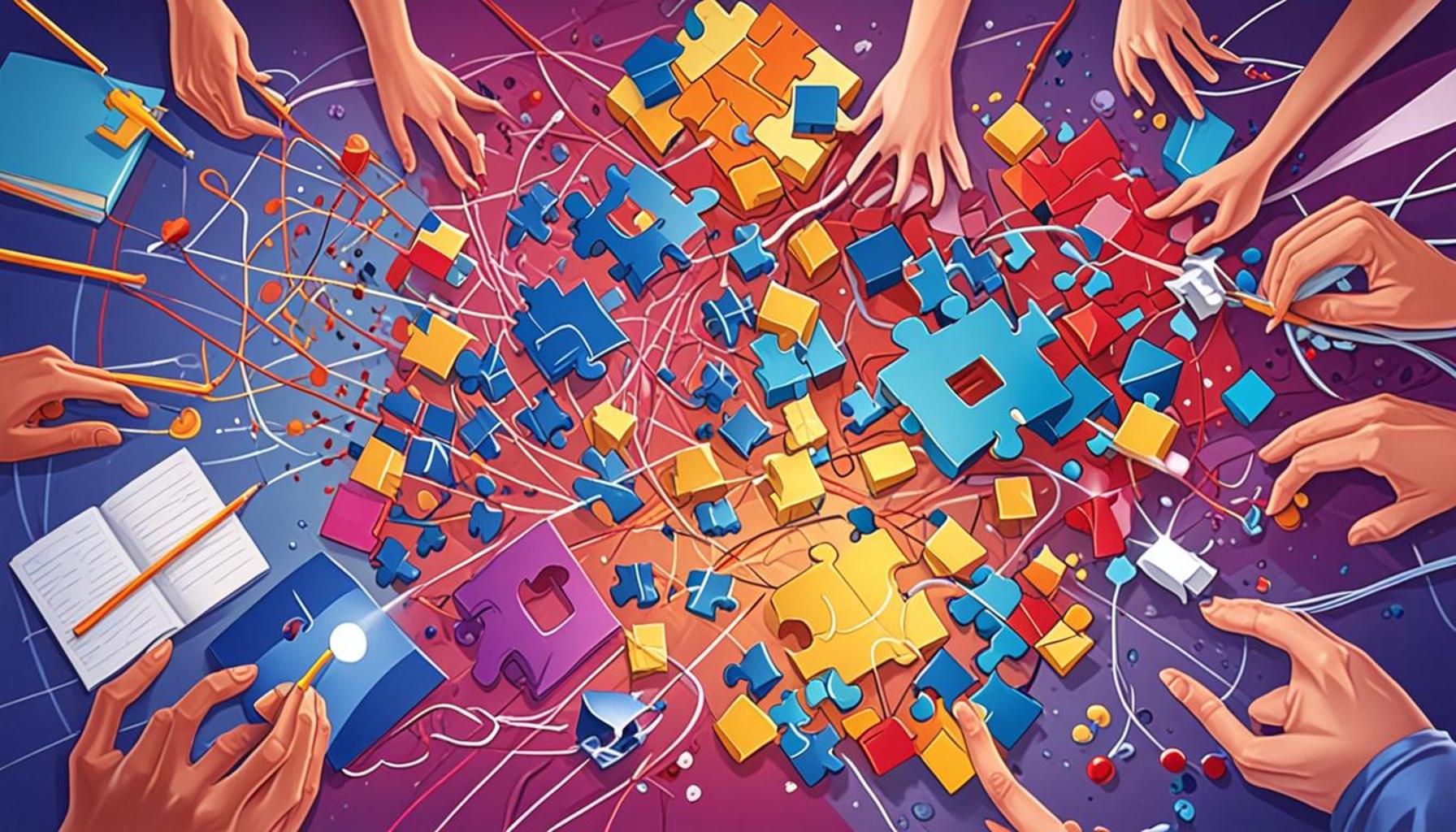
The Power of Collaborative Problem-Solving
While many individuals view logical puzzles as individual endeavors that sharpen personal cognitive abilities, their effects can ripple significantly within a group setting. Engaging in these brain teasers as a team not only enhances critical thinking skills but also cultivates a robust environment for collaboration and teamwork. Such experiences break down barriers, promote effective communication, and help build trust among participants.
Enhancing Communication Skills
Participating in logical puzzles compels team members to clearly express their reasoning and articulate their strategies. For instance, in a workplace team-building event, a group might tackle a complex problem such as a logic grid puzzle that requires input from various angles. As each member presents their viewpoint, they practice essential communication skills, learning to listen actively and respond thoughtfully. Those who might typically remain quiet during meetings can emerge as confident contributors, leading to enriched group discussions in future collaborations.
Fostering Shared Goals
Having a common objective is foundational in any collaborative effort. When teams engage with logical puzzles, they inevitably work towards a shared goal of finding the solution together. This unity can have far-reaching implications. Consider an office that organizes regular puzzle-solving sessions; over time, these small victories create a culture of cooperation and collective achievement. Not only do team members celebrate their successes, but they also begin to identify with the team as a cohesive unit, breaking down silos that might exist in a traditional work environment.
Conflict Resolution and Constructive Debates
Logical puzzles often evoke varied approaches and opinions, leading to differences in thought, which is natural in any collaborative scenario. Rather than viewing these differences as points of contention, teams can embrace them as opportunities for constructive debate. For example, during a critical thinking session involving a tricky riddle, a few members might favor one solution while others advocate for an alternative. Such conflicts, when approached with respect and openness, not only refine problem-solving techniques but also equip members with the tools to handle disagreements productively, a skill that translates well into workplace situations.
Conclusion: A Tool for Modern Collaboration
In today’s interconnected world, where effective collaboration is crucial both in the workplace and in various social settings, logical puzzles shine as a beacon for enhancing team dynamics. They serve as engaging tools that leverage collective intelligence, encouraging a deeper understanding and appreciation among participants. Consequently, organizations looking to strengthen team cohesion and sharpen problem-solving abilities should consider integrating logical puzzles into their team-building initiatives. These seemingly simple challenges could unlock a wealth of potential, transforming teams into tighter, more efficient units capable of navigating the complexities of modern work life with greater ease.
DIVE DEEPER: Click here to uncover more
Building Trust Through Shared Challenges
One of the most powerful outcomes of engaging in logical puzzles as a team is the significant trust building that occurs through shared challenges. When team members tackle difficult puzzles together, they embark on a collective journey through problem-solving where vulnerability and support come into play. For instance, a group of coworkers participating in an escape room challenge, which heavily relies on logical puzzles, must depend on each other’s strengths and weaknesses to escape successfully. This dependence not only enhances their ability to work together but also creates a safe environment where members feel comfortable expressing uncertainties and asking for help.
Encouraging Diverse Perspectives
The nature of logical puzzles often invites the consideration of multiple viewpoints. When individuals collaborate to solve a complex riddle or puzzle, they bring their unique experiences and backgrounds into the conversation. This diversity of thought is critical in fostering a richer discussion. Teams that encourage expressing different perspectives are likely to generate more innovative solutions. A prime example of this can be observed in corporate settings where cross-departmental teams come together to solve challenges. By pooling their varied experiences, such teams are not only able to tackle puzzles more effectively but also foster a sense of belonging and appreciation for one another’s contributions.
The Importance of Roles and Responsibilities
Another pivotal aspect of successfully solving logical puzzles in a team is the identification and assignment of roles based on individual strengths. Teams often gravitate towards recognizing who excels in certain tasks—whether it’s someone who has a knack for analytical thinking or another individual who can visualize complex patterns. Clarifying these roles creates a structured approach to problem-solving, where everyone feels valued for their input. To illustrate, during a logical puzzle workshop, a member might take the lead in breaking down the puzzle while another documents the processes being discussed. This natural delegation of responsibilities fosters a sense of ownership among team members and enhances their commitment to the group’s success.
Creating Lasting Connections
The bonds formed through collaborative puzzle-solving extend beyond the immediate task at hand. These shared experiences allow team members to discover common interests and strengths that may not be visible in a traditional work setting. As relationships deepen, so too does the team’s overall performance. Additionally, team members who engage in puzzle-solving together often describe an increased level of camaraderie, leading to a more harmonious workplace environment. This sense of belonging is often pivotal in enhancing workplace morale and satisfaction, resulting in lower turnover rates and increased productivity.
In summary, the social side of logical puzzles is not merely incidental; it plays a vital role in fostering teamwork and collaboration. As teams navigate through these challenges, they build trust, encourage diverse perspectives, and assign roles strategically. Such dynamics not only lead to successful outcomes in puzzle-solving but also contribute to a positive and cohesive team culture, emphasizing the importance of collaboration in thriving work environments.
| Category | Details |
|---|---|
| Enhanced Communication | Logical puzzles require team members to articulate their thoughts clearly, fostering effective communication skills while collaborating on problem-solving. |
| Strengthened Relationships | Participating in these activities builds trust and camaraderie, leading to stronger interpersonal bonds among team members, crucial for workplace success. |
Engaging with logical puzzles isn’t merely about the joy of solving challenges; it creates an enriching environment that encourages collective thinking. The stimulation of diverse perspectives during puzzle-solving often unveils hidden strengths within character traits, fostering creativity and innovation among team members.Moreover, these activities ignite a sense of healthy competition, pushing individuals to excel not only for personal satisfaction but also for the group. This sense of shared achievement reinforces the idea that teamwork leads to greater outcomes than solitary efforts. As teams navigate intricate puzzles, they naturally develop strategic thinking, which is essential in various demanding scenarios, from corporate settings to personal relationships.Participating in logical puzzles can revolutionize the collaborative spirit within any group, carving pathways to understanding and unity that extend beyond the mere act of playing together. When teams seize the opportunity to engage with these challenges, they unlock potential skills that enhance productivity and job satisfaction. This transformative power of puzzles is worthy of exploration for any group aiming to enrich their collaborative efforts.
DIVE DEEPER: Click here to discover more strategies
Fostering Communication Skills
In the realm of teamwork, effective communication is the bedrock upon which successful collaborations are built. Engaging in logical puzzles compels team members to communicate clearly and concisely, especially under time constraints. As they discuss potential solutions or negotiate various ideas, they sharpen their verbal articulation and listening skills. For instance, a group working on a logic grid puzzle must explain their thought process to their teammates while actively listening to alternatives. This practice not only hones their skills in a critical environment but also encourages a culture of open dialogue, which can translate into more effective communication in day-to-day operations.
Building Resilience Through Trial and Error
Logical puzzles inherently present challenges, often leading teams to encounter failure before achieving success. This aspect teaches teams essential lessons in resilience and adaptability. When members collaborate to overcome obstacles, they learn that setbacks are part of the process. For example, when a group struggles with a particularly tricky brain teaser, they collectively analyze their missteps and iterate on their strategies. This trial-and-error approach, showcased during workshops or team-building weekends, helps to instill a growth mindset, encouraging members to view challenges not as threats but as opportunities for improvement. Consequently, this resilience is vital for the long-term health of team dynamics and their ability to tackle future projects.
Enhancing Problem-Solving Agility
Logical puzzles demand quick thinking and adaptability, traits that are invaluable in any collaborative setting. When teams engage in solving puzzles under time pressures or tight deadlines, they become accustomed to thinking on their feet. This agility fosters an environment where team members feel empowered to propose ideas spontaneously. In a corporate context, brainstorming sessions benefit significantly as employees, inspired by their puzzle-solving experiences, present innovative ideas with greater confidence. Studies have shown that teams with enhanced collaborative problem-solving skills lead to better project outcomes and higher levels of satisfaction within the workplace.
Encouraging Social Interaction
The process of solving puzzles also encourages team members to interact socially beyond their usual work interactions. The fun and competitive nature of these activities break down the hierarchical barriers often present in corporate environments. As team members, regardless of their positions, come together to strategize and laugh over their deductions, they cultivate a sense of unity that translates back into their work lives. This socialization fosters greater rapport among team members, facilitating informal discussions and the idea-sharing that can often lead to improved workplace innovation. By encouraging these interactions, companies can promote a collaborative culture that is critical for sustained success.
Additionally, the integration of logical puzzles into team-building exercises can serve as an important strategy for organizations looking to improve their corporate culture. Whether it involves participating in weekly puzzle challenges or organizing quarterly problem-solving retreats, these activities can lead to heightened engagement and innovation in the workplace. This multifaceted approach caters to various learning styles and encourages all employees to contribute meaningfully, regardless of their primary skill set.
DIVE DEEPER: Click here to discover the impact of memory games
Conclusion: The Hidden Benefits of Logical Puzzles in Team Dynamics
In summary, the exploration of logical puzzles reveals profound implications for fostering collaboration and teamwork within organizations. These seemingly simple challenges serve as powerful tools that enhance communication, build resilience, and promote problem-solving agility among team members. Engaging in puzzle-solving not only cultivates a culture of open dialogue but also reinforces the idea that collaboration thrives through shared experiences, laughter, and collective learning.
Moreover, the social interactions that arise from these activities break down barriers, fostering a sense of unity that can significantly improve corporate culture. As teams encounter and navigate through challenges together, they develop a framework for resilience that prepares them to tackle future projects with greater confidence and creativity. This trial-and-error approach highlights the essence of teamwork—learning from mistakes and celebrating successes as a cohesive unit.
Incorporating logical puzzles into team-building exercises is not merely a trend; it is an essential strategy for organizations aiming to enhance teamwork and innovation. Whether through weekly challenges or periodic retreats, these activities encourage both individual contributions and collaborative spirit, catering to diverse learning styles. As companies embrace this interactive approach, they can expect not only improved project outcomes but also a more engaged and satisfied workforce. Thus, the social side of logical puzzles is a vital element in the ever-evolving landscape of teamwork and collaboration.