
How Strategy Games Can Enhance Problem-Solving Skills
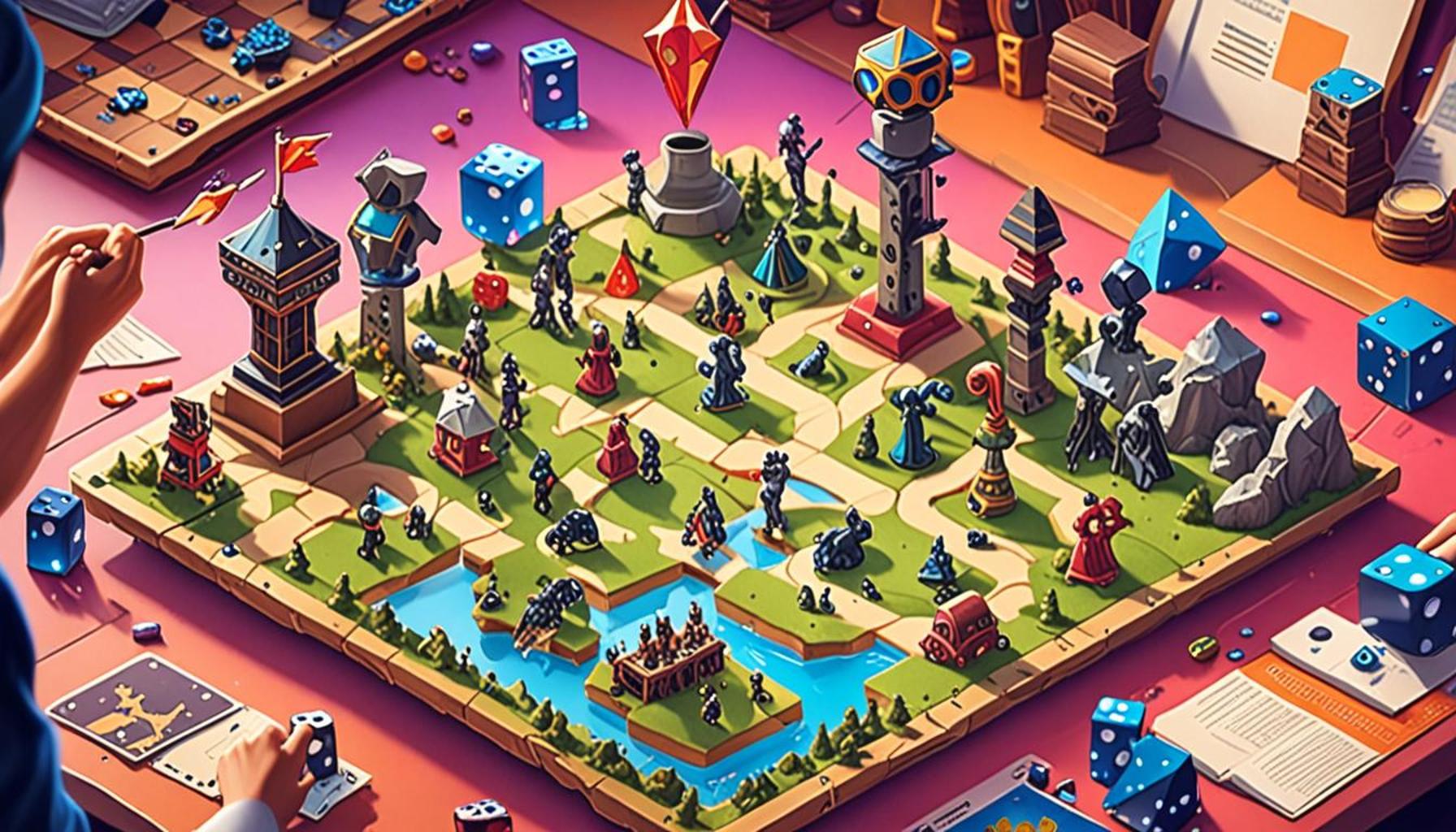
The Transformative Benefits of Strategy Games
In a fast-paced world where the ability to make sound decisions quickly can mean the difference between success and failure, strategy games have solidified their role as invaluable learning tools. Whether you find yourself immersed in the classic moves of chess or the dynamic strategies of real-time strategy (RTS) games like “StarCraft” or “Age of Empires,” these engaging activities provide more than mere entertainment—they serve as mental workouts that sharpen your cognitive skills while enhancing your capacity for critical thinking.
One of the most intriguing aspects of strategy games is their inherent complex scenarios. Players are often thrust into intricate situations that require them to navigate through multi-layered challenges. For example, in a game like “Civilization,” not only do players orchestrate a burgeoning empire, they must also contend with diplomatic tensions, resource scarcity, and military confrontations. Such experiences enhance one’s ability to dissect problems and devise complex solutions under pressure.
Another crucial element is resource management. Games like “StarCraft” demand effective allocation of limited resources such as minerals and gas to build units and establish base defenses. This feature aids in honing planning skills as players learn to prioritize tasks and strategize accordingly to meet their objectives. The ability to think ahead and allocate resources effectively is a skill that seamlessly transfers to real-world applications, from business management to personal finance.
Furthermore, understanding competitive strategies is essential in these games. Players are constantly analyzing their opponents’ moves, refining their strategies accordingly, and adapting to shifting scenarios. This interaction fosters a natural development of strategic foresight and adaptability, traits that are beneficial in numerous life situations, whether in the boardroom or navigating social dynamics.
The benefits of engaging with strategy games are supported by research, which indicates that players can attain significantly improved analytical skills. They learn to analyze information and data, which empowers them to make informed decisions. Additionally, enhanced creativity emerges as unique challenges prompt players to think outside the box. For instance, games that require unconventional problem-solving approaches can lead players to develop creative ideas that might not have surfaced in traditional learning environments.
Moreover, many strategy games necessitate collaboration, encouraging teamwork and communication skills. Multiplayer games such as “Team Fortress” or various online role-playing games require players to collaborate, strategize, and communicate effectively to achieve their goals. This teamwork reflects real-life scenarios, where cooperation is crucial for success.
As people become increasingly aware of these substantial benefits, a pivotal question emerges: How can one effectively harness the power of strategy games to enhance personal problem-solving capabilities? By investing time in these engaging platforms, individuals can explore not only the intricacies of the games themselves but also deepen their cognitive abilities and problem-solving strategies, creating a fascinating intersection of entertainment and cognitive development. In doing so, players may discover that their gaming experiences greatly inform their real-world challenges.
DIVE DEEPER: Click here to enhance your game strategy
Unlocking the Mind: The Core Elements of Problem-Solving Through Strategy Games
At the crux of effective problem-solving lies the ability to analyze, strategize, and execute plans with precision. Strategy games serve as a formidable training ground for these skills, providing players with the necessary frameworks to think critically and adapt flexibly to various situations. By engaging in these games, individuals inadvertently boost their intellectual prowess and turn strategic thinking into second nature.
One of the fundamental aspects that makes strategy games so impactful is their emphasis on tactics and foresight. Players must often consider not only their own moves but also anticipate their opponent’s strategies. This kind of anticipation fosters meticulous planning; whether it’s setting traps in a game of chess or outmaneuvering foes in a tactical shooter, players develop the ability to foresee potential outcomes. This foresight is directly applicable in real-world contexts, where anticipating challenges can significantly influence both personal and professional decisions.
Additionally, strategy games promote an understanding of cause and effect. Players quickly learn that each action has consequences, shaping their approach to problem-solving. Games like “Total War” force players to make tough choices, weighing the benefits of immediate gains against potential long-term ramifications. Such experiences resonate in everyday situations, from making financial choices to choosing the right course of action when faced with interpersonal conflicts. This understanding reinforces the notion that thoughtful analysis is crucial for effective problem resolution.
Moreover, strategy games often require a high degree of flexibility. Success is seldom linear; players must constantly adjust their tactics based on unforeseen developments, such as unexpected enemy movements or changes in resource availability. This adaptability translates well into real-life scenarios, where being able to pivot and rethink strategies can lead to more effective solutions. In fact, many business leaders and entrepreneurs credit their experiences in strategy gaming for their ability to navigate complex market dynamics.
Key Benefits of Engaging with Strategy Games
- Enhanced Critical Thinking: Strategy games compel players to evaluate various variables before making decisions, polishing their analytical skills.
- Improved Decision-Making: The high-stakes environment simulates real-world dilemmas, sharpening the ability to make quick yet informed choices.
- Increased Resilience: The failure to achieve objectives forces players to reassess strategies repeatedly, teaching perseverance and resilience in problem-solving.
- Refined Collaboration Skills: Many modern strategy games require teamwork, fostering communication and collaborative problem-solving in multiplayer settings.
As more individuals and educators explore these intriguing benefits, it becomes evident that engaging with strategy games can serve more profound purposes than simple entertainment. They prepare the mind to face life’s challenges with better analytical skills, adaptability, and creativity, leading players not only to excel in gaming but also to tackle real-world problems with newfound confidence and insight.
Enhancing Analytical Thinking through Strategy Games
As players immerse themselves in the intricate worlds of strategy games, they quickly learn that success is not merely about brute force or luck. Rather, it requires a profound understanding of tactics and foresight. Players must anticipate opponents’ moves, assess various scenarios, and devise viable contingency plans. This process effectively nurtures analytical thinking, a critical component of problem-solving. Strategic gameplay often involves creating and testing hypotheses about the game environment. Did the opponent bluff? Is the current strategy sustainable? These questions encourage players to adopt a systematic approach to problem resolution. Over time, this mindset flows into real-world situations, enhancing decision-making in contexts such as project management, business negotiations, and even personal relationships.Moreover, strategy games introduce complex multi-dimensional challenges that require players to juggle multiple objectives simultaneously. For instance, in games like “Civilization,” you must focus on expanding territory, managing resources, and fostering diplomatic relationships all at once. This kind of complex problem-solving trains players to prioritize tasks, allocate resources efficiently, and adapt to changing circumstances—skills invaluable in everyday life and career paths.To illustrate, a study from the University of Rochester found that strategy game players exhibited significantly improved performance in real-world problem-solving tasks when compared to non-players. Engaging with these games stimulates cognitive processes that are readily transferable to professional environments, making mastering strategy games an enticing prospect for personal and professional development.
Real-World Application of Problem-Solving Skills Gained Through Gaming
Gaining problem-solving acumen through strategy games opens up a world of opportunities. Players learn to navigate complex situations, handling unforeseen complications with poise and confidence. In emergency services, for example, effective real-time decision-making can save lives. Similarly, in leadership roles, strategic problem-solving can drive teams toward achieving ambitious goals.In addition to enhancing critical thinking, these games promote teamwork and collaboration when played in groups. Players often find themselves negotiating and strategizing with peers, requiring them to communicate ideas clearly and listen actively. This is essential in team settings, where cooperation can be a significant determinant of success.The cognitive benefits gained from strategy games are not limited to high-level skills; they also foster important behavioral traits like resilience and adaptability. Adapting strategies in response to new information is crucial, especially when unforeseen challenges arise. Thus, the lessons learned through gaming extend beyond the virtual landscape, permeating various aspects of life.Ultimately, embracing strategy games as a platform for skill development could redefine the way we approach challenges. They provide a stimulating environment where players can cultivate a robust toolkit of problem-solving skills, ready to be applied in countless real-world scenarios.
DISCOVER MORE: Click here to enhance your problem-solving skills through strategic games!
Deepening Engagement: The Role of Strategy Games in Cultivating Analytical Skills
As strategy games continue to rise in popularity, their rich and multifaceted landscapes invite players to immerse themselves in environments that challenge their reasoning abilities. One significant factor in this engagement is the simulation of complex scenarios. Many strategy games, such as “Civilization VI” or “Starcraft II,” offer expansive worlds where players are required to manage a multitude of variables—economics, resources, diplomacy, and conflict. Such intricate simulations immerse players in high-pressure situations where they must prioritize tasks, make decisions under uncertainty, and solve problems on the fly. This exposure sharpens their analytical abilities, preparing them to navigate the real complexities of life and work.
Furthermore, strategy games ignite a sense of creativity and innovation. Players are often faced with unique challenges that demand unconventional solutions. For instance, in “Factorio,” players must efficiently build and manage factory systems, encouraging innovative thinking about resource management and layout design. The need to devise creative approaches to increasingly complex challenges stimulates cognitive skills that extend beyond gaming, allowing individuals to approach real-world problems with fresh perspectives and inventive ideas.
Another aspect worth noting is the inherent nature of resource management in strategy games. Players regularly encounter situations that require them to make the most of limited resources, whether it be time, energy, or material. In games like “Age of Empires,” successful players must strike a balance between expanding their territories and conserving their resources. This form of management translates directly into critical life skills, such as budgeting personal finances or efficiently allocating time among various responsibilities. By experiencing the impact of their resource management decisions, players cultivate a deeper understanding of efficiency and sustainability.
The Social Elements and Community Learning
The multiplayer aspect of many strategy games introduces an additional layer of collaborative problem-solving. Games such as “Dota 2” require players to work in teams, relying on one another’s strengths to succeed. This dynamic fosters communication skills, negotiation, and collaboration—crucial components of effective problem-solving in any setting. By navigating team dynamics, players enhance their ability to listen, provide feedback, and work towards a common goal, valuable skills in professional environments that often depend on teamwork to overcome challenges.
Data from a study conducted by the University of Southern California suggests that players who engage with strategy games exhibit heightened cognitive flexibility—the ability to quickly switch between tasks or adapt to changing demands. Such flexibility is essential in today’s fast-paced world, where the rapid evolution of technology and societal norms requires individuals to pivot and rethink their strategies regularly.
- Enhanced Simulation Experience: Engaging in complex environments that reflect real-life scenarios equips players with practical problem-solving experiences.
- Encouraged Creativity: Facing novel challenges demands innovative thinking and alternative perspectives that apply outside gaming.
- Resource Management Skills: Games simulate the importance of efficiency and resource allocation, mirroring real world financial planning and time management.
- Strengthened Collaboration: Team-based gameplay fosters important communication and negotiation skills, critical for success in career-oriented settings.
As a growing body of research highlights the cognitive enhancements that come from engaging with strategy games, it becomes increasingly clear that they serve as not just a source of entertainment, but as vital tools for developing robust problem-solving skills that can impact various aspects of life. As players dissect challenges and learn to adapt, they unlock a deeper capacity to analyze situations in both gaming scenarios and the complexities of everyday living.
DISCOVER MORE: Click here to enhance your understanding
Conclusion: The Transformative Impact of Strategy Games on Problem-Solving Skills
As we delve into the enduring influence of strategy games, it becomes evident that their role extends far beyond mere entertainment; they are catalysts for enhancing problem-solving skills that benefit players in diverse real-world contexts. By engaging with intricate simulations, players gain firsthand experience in critical thinking and analytical processes, preparing them to tackle complex issues in both personal and professional settings.
Moreover, strategy games stimulate creative thinking and foster the innovative mindset essential for developing unique solutions to intricate challenges. The ability to adapt resources effectively in games like “Civilization VI” or “Age of Empires” not only teaches players about nuanced resource management but also instills a deep appreciation for strategic efficiency that can translate to everyday life, from financial planning to time allocation.
Significantly, the collaborative nature of multiplayer strategy games enhances essential skills in communication and teamwork. Engaging with others towards a common objective cultivates a sense of community and shared learning. Such social elements contribute further to a player’s ability to negotiate, listen, and coordinate, which are invaluable skills in today’s diverse workforce.
In conclusion, as research continues to unveil the cognitive benefits of strategy gaming, it is clear that these engaging platforms foster an environment conducive to building critical problem-solving abilities that resonate well beyond the gaming screen. The intersection of creativity, analytical prowess, and collaborative spirit positions strategy games as indispensable tools for anyone looking to enhance their problem-solving toolkit in an ever-evolving world.