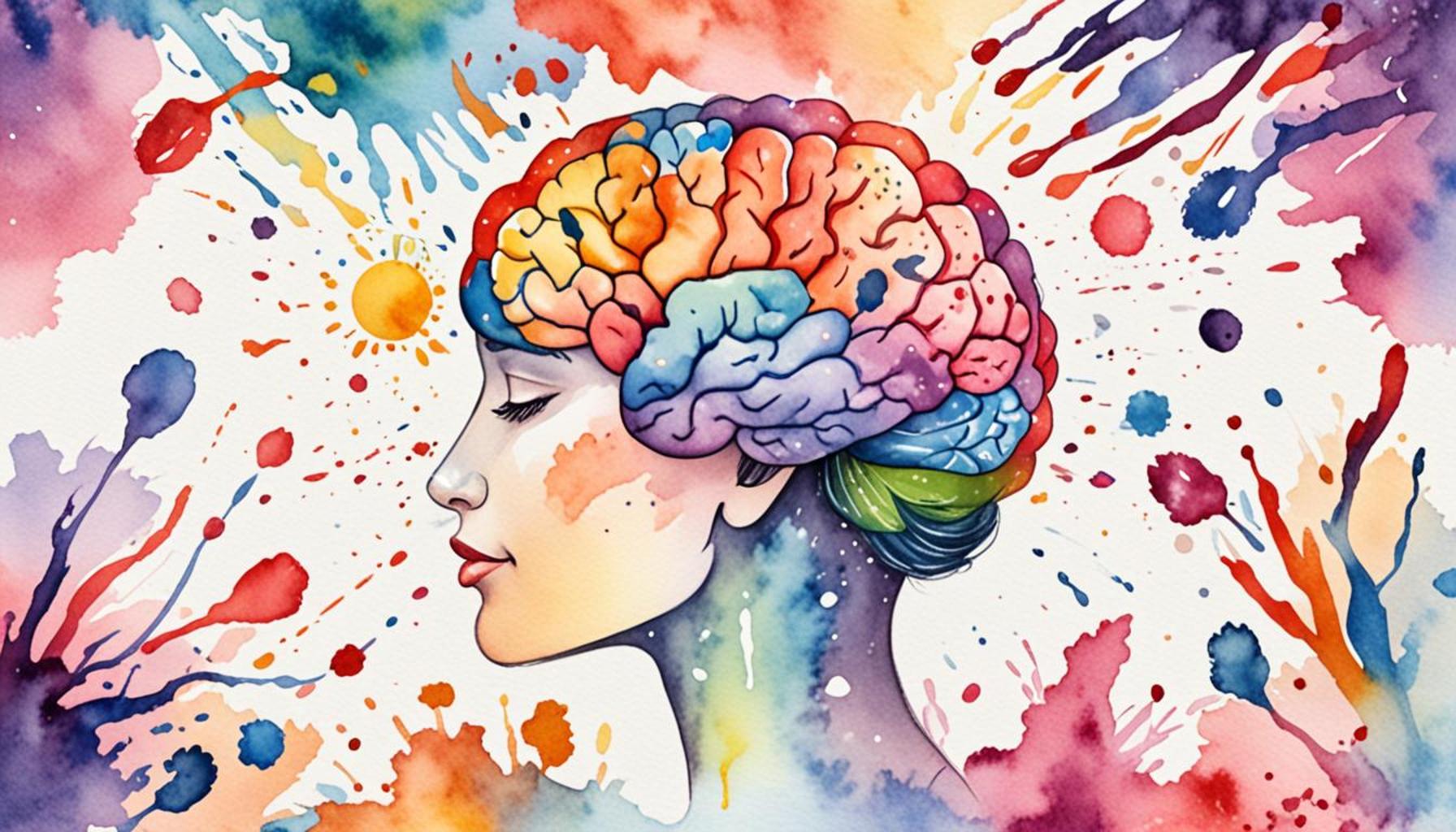
The Benefits of Memory Games in Preventing Neurodegenerative Diseases

The Cognitive Benefits of Memory Games
Memory games are more than just a source of fun; they serve as a vital tool for enhancing brain function and guarding against cognitive decline. With rising concerns about neurodegenerative diseases like Alzheimer’s and Parkinson’s, incorporating these activities into daily lives can provide significant benefits. Recent studies underscore how engaging in these games can be instrumental in reducing the risks associated with cognitive deterioration.
Enhancing Cognitive Function
One of the most apparent advantages of memory games is their ability to enhance cognitive function. Regularly challenging the mind through activities like crossword puzzles, card games, or memory matching exercises can lead to noticeable improvements in memory, attention, and problem-solving skills. For instance, a study published in the journal *Nature* found that older adults who engaged in memory exercises displayed enhanced short-term memory abilities compared to those who did not participate in such activities. Exercises that combine visual and auditory tasks can particularly improve cognitive flexibility, making it easier for individuals to switch between tasks seamlessly.
Stimulating Brain Activity
Memory games also play a crucial role in stimulating brain activity. Neuroplasticity, the brain’s ability to adapt and create new neural connections, can be significantly promoted through regular cognitive challenges. Engaging in these games has been linked to improved brain function and the potential to delay the symptoms of neurodegenerative diseases. For example, a group of researchers from the University of California found that seniors who regularly engaged in mental exercises experienced a slower rate of cognitive decline, highlighting why integrating brain games into everyday life can be a strategic approach for enhancing long-term cognitive health.
Reducing Stress and Improving Mood
Not only do memory games sharpen the mind, but they also reduce stress levels. The experience of playing games prompts the release of endorphins, which can enhance mood and lower anxiety. This is particularly essential for individuals who may be at risk for cognitive decline, as chronic stress has been shown to adversely affect brain health. Engaging in enjoyable memory games can provide a much-needed mental break, fostering relaxation and positive emotional states, which contribute to an overall healthier brain.
A Call to Action: Making Memory Games a Routine
Considering the prevalence of neurodegenerative diseases in the United States—with millions affected—it is essential to explore ways to incorporate memory games into our daily routines. Some effective strategies might include setting aside time each day for brain exercises, playing engaging games with family and friends, or utilizing mobile applications specifically designed to challenge memory and cognitive skills.
The Road Ahead
As the field of neuroscience continues to evolve, understanding the connections between cognitive engagement and brain health is becoming clearer. The potential benefits of memory games may unlock new strategies in the fight against cognitive deterioration. Those interested in enhancing their cognitive resilience can find a wealth of resources, from local community center programs to digital platforms designed for cognitive training. The exploration of memory games offers a proactive approach to maintaining and improving brain health, one enjoyable challenge at a time.
DISCOVER MORE: Click here to dive deeper
The Lasting Impact of Memory Games on Brain Health
As the quest for methods to combat neurodegenerative diseases continues, memory games have emerged as an intriguing avenue to explore. These activities not only provide entertainment but also offer a cognitive workout that may fortify the brain against age-related decline. Engaging the mind through memory games can yield significant improvements in mental acuity, enhancing both quality of life and longevity. To truly grasp the potential positive effects, it is essential to delve deeper into how these games optimize brain health.
Encouraging Lifelong Learning
Memory games encourage a culture of lifelong learning, promoting an active engagement with new concepts and information. This proactive approach to learning can diminish the chances of cognitive decline as one ages. For instance, studies show that adults who embrace new learning challenges—from picking up a new hobby to tackling complex memory games—exhibit lower levels of cognitive impairment. This further suggests that keeping the brain engaged might not only bolster memory but could also play a significant role in reducing the risk of developing conditions like Alzheimer’s disease.
Strengthening Neural Pathways
Participating in memory games can strengthen crucial neural pathways, enhancing communication between different areas of the brain. Several studies have demonstrated that cognitive challenges can increase grey matter density in regions associated with memory and learning. Those who play memory games frequently are likely to experience a more robust neural architecture, which is linked to improved cognitive function. Specifically, the regions of the brain responsible for memory consolidation, such as the hippocampus, can benefit from such consistent mental exercise.
Promoting Social Interaction through Gaming
Memory games often provide a platform for social interaction, further enhancing their cognitive benefits. Whether played in person or on digital platforms, these games often encourage teamwork and friendly competition. Social engagement has been closely tied to cognitive health, as interacting with others can stimulate the brain in ways solitary activities cannot. Embracing a social aspect can not only make memory games more enjoyable but also help reduce feelings of isolation, particularly among seniors, creating a dual benefit for overall mental well-being.
Memory Games: A Diverse Range of Options
Incorporating memory games into daily routines can take various forms, which makes them accessible for individuals of all ages. Here are some popular options to consider:
- Card Matching Games: Simple yet effective, these games can be adapted for various skill levels.
- Word Puzzles: Games like crosswords or Sudoku provide excellent cognitive challenges.
- Digital Brain Teasers: Many apps offer personalized memory challenges, allowing players to track their progress.
- Group Activities: Engaging in memory games with friends or family can bolster social interactions while training the brain.
As we continue to explore the beneficial landscape of memory games, the evidence consistently points to their remarkable potential. By participating in these activities regularly, individuals may not only fortify their cognitive health but also pave the way for a richer, more fulfilling life.
Memory games can be invaluable tools in the fight against neurodegenerative diseases such as Alzheimer’s and Parkinson’s. Engaging in these cognitive activities regularly stimulates brain function, potentially staving off cognitive decline. This section will delve deeper into how memory games provide tangible benefits for brain health.
Firstly, one of the primary advantages of memory games is their ability to enhance neuroplasticity. Neuroplasticity is the brain’s capacity to form new neural connections, which is crucial for maintaining cognitive function. By challenging your memory through games, you promote the growth of new synapses, thus improving your overall cognitive resilience.
Furthermore, social interaction while playing memory games can significantly boost mental health. Cooperative or competitive gameplay fosters a sense of community, reducing feelings of loneliness and depression, which are often precursors to cognitive decline. This social element combined with mental exercises creates a multi-faceted approach to brain health.
Research shows that participants in memory training programs exhibited improved cognitive performance after consistent engagement with brain games. With such promising evidence, memory games serve not just as entertainment but as potent tools in our arsenal against neurodegenerative diseases. As more studies emerge, expanding our understanding of these benefits, it becomes increasingly vital to incorporate memory games into daily routines for enhanced mental well-being.
| Category | Benefits |
|---|---|
| Cognitive Enhancement | Memory games improve neuroplasticity, allowing the brain to form new connections. |
| Social Interaction | Encourages socializing which can combat loneliness and depression. |
| Improved Cognitive Performance | Regular engagement with memory games can lead to noticeable improvements in brain function. |
As awareness grows about the significance of mental health in aging populations, memory games are increasingly recognized not just for their ability to entertain, but also as essential components for cognitive maintenance.
DISCOVER MORE: Click here to delve into the fascinating history of logical puzzles
Unlocking the Brain’s Potential through Memory Games
As researchers continue to unravel the complexities of cognitive health, the role of memory games in enhancing brain function and possibly staving off neurodegenerative diseases is increasingly significant. These engaging activities not only exercise memory but also encourage skills that go beyond just recall. By nurturing a comprehensive range of cognitive abilities, memory games could develop mental resilience and adaptability that are crucial as the brain ages.
Enhancing Attention and Focus
One of the most understated benefits of memory games is their capacity to enhance attention and focus. In a world saturated with distractions—from smartphones to streaming services—developing the ability to concentrate is paramount. Memory games compel players to pay close attention to patterns, details, and instructions, honing their ability to focus over time. Enhanced attention can have far-reaching effects on daily life, resulting in improved productivity, better performance at work, and the successful management of life’s many tasks.
Boosting Processing Speed
Memory games can also lead to increased processing speed, which refers to the brain’s ability to absorb and respond to information quickly. Engaging in fast-paced memory challenges can train the brain to retrieve information more efficiently. This heightened speed can mitigate some of the cognitive slowdown that often accompanies aging. Research is suggesting that enhanced processing speed can be a protective factor against the onset of cognitive decline, making memory games a valuable tool in maintaining mental agility.
Fostering Emotional Resilience
Beyond cognitive advantages, memory games can be beneficial for emotional health. Engaging in these activities can lead to a sense of achievement and boost self-esteem. In turn, a healthy self-image is linked to emotional resilience, which can ward off depression and anxiety—common fellows of neurodegenerative diseases. For older adults, engaging in memory games may also provide a platform for joy and satisfaction, creating a positive feedback loop that nurtures mental wellness.
The Scientific Backing of Memory Games
Recent academic studies have increasingly explored the link between memory games and brain health. For example, research conducted at prominent institutions has demonstrated that cognitive training, including memory games, can yield significant improvements in older adults. A study published in the journal *Neuropsychology* found that participants who engaged in regular memory game exercises showed improvements in memory recall and even executive functioning, suggesting that these games can lead to more robust cognitive health. Moreover, organizations such as the Alzheimer’s Association advocate the use of memory games as part of a comprehensive approach to brain health.
Community Engagement and Accessible Platforms
Social integration can be another critical factor in maximizing the benefits of memory games. Community-driven initiatives and platforms offer opportunities for friends and family to participate together, amplifying the cognitive and social benefits. Local community centers and libraries often host game nights or workshops focused on memory games, creating an environment for learning, social interaction, and mental engagement. Furthermore, numerous online platforms cater to various skill levels, allowing users to access memory games from the comfort of their homes, thereby accommodating a wide audience.
As the research surrounding memory games unfolds, the implications of their benefits extend far beyond basic entertainment. By fostering a proactive approach to cognitive health and engaging individuals in unique ways, memory games represent a powerful tool in the journey to prevent neurodegenerative diseases.
DISCOVER MORE: Click here to learn about the impact of puzzles on memory
Conclusion: A Mindful Approach to Cognitive Health
As we stand at the intersection of neurological research and practical cognitive strategies, the role of memory games in preventing neurodegenerative diseases offers a beacon of hope for individuals seeking to bolster their mental health. The insights gained from scientific studies indicate that these games do more than just entertain; they nurture essential cognitive abilities such as attention, focus, and processing speed, all of which play a critical role in maintaining robust brain function as we age.
Moreover, the psychological advantages—such as fostering emotional resilience and providing a sense of achievement—underscore the holistic benefits of engaging in memory games. It goes beyond cognitive exercise to address the essential emotional aspects that can influence our overall well-being. This dual-functionality makes memory games a compelling approach in the fight against cognitive decline.
With advancements in technology, access to a plethora of memory games has become easier than ever, allowing people to incorporate these activities into their daily routines. Community engagements, whether in-person or online, further promote social interaction, enriching the experience and making it more enjoyable and effective. As individuals, families, and communities embrace this fun yet productive method, we take proactive steps toward creating a healthier cognitive landscape for future generations.
Investing time in memory games is not merely a leisure activity but a potent strategic move towards enhancing cognitive longevity. As we delve deeper into the benefits they offer, the journey toward thwarting neurodegenerative diseases unfolds, illuminating paths for both prevention and enhanced quality of life.