How Visual Puzzles Can Stimulate Spatial Perception and Creativity
Unlocking the Mind: The Power of Visual Puzzles
In a world saturated with information, finding effective ways to boost spatial perception and enhance creativity has become essential. Visual puzzles serve as fascinating tools for engaging our brains in novel ways. They challenge our cognitive abilities while simultaneously sharpening our artistic and spatial skills, making them a unique blend of entertainment and cognitive training.
Consider the various types of visual puzzles that can stimulate growth:
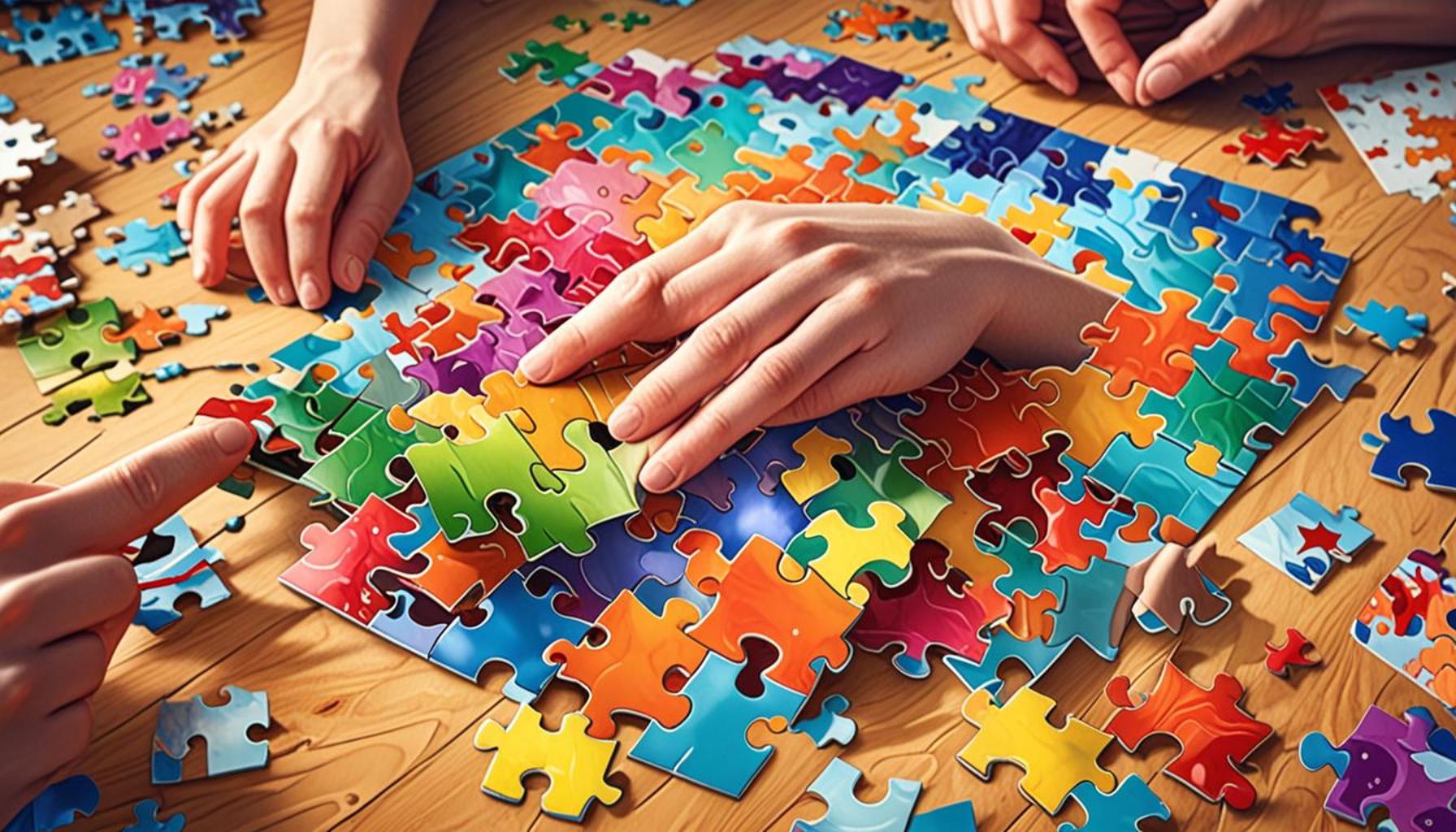
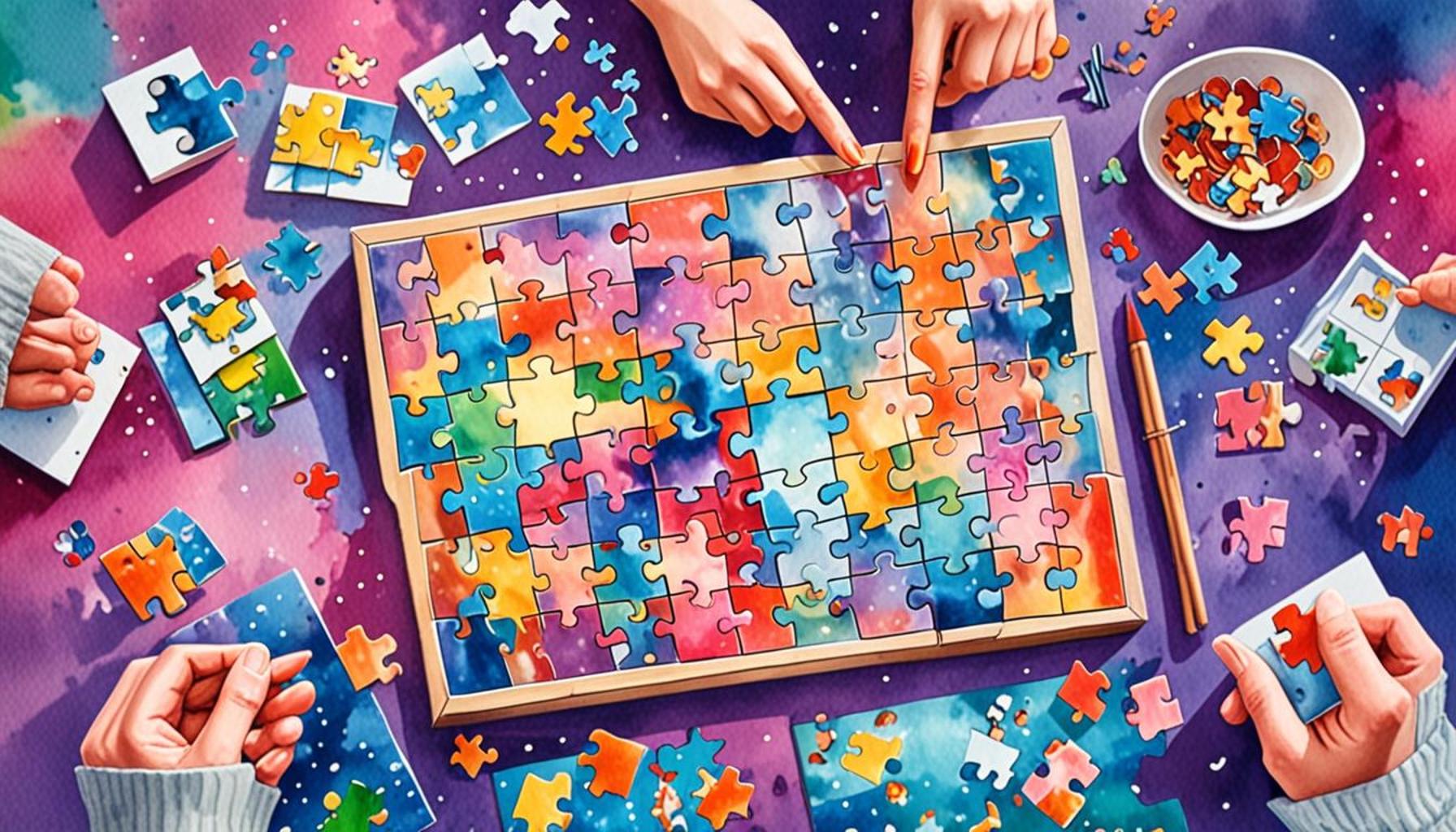
- Jigsaw puzzles: These intricate designs encourage pattern recognition and problem-solving. By fitting different pieces together to form a complete image, players enhance their logic and critical thinking skills. For instance, assembling a 1,000-piece jigsaw puzzle can take hours, requiring patience and strategic thinking as one must often visualize the entire picture while focusing on individual components.
- 3D puzzles: Promoting depth perception, 3D puzzles require players to visualize in three dimensions. These creations, such as architectural landmarks or intricate landscapes, challenge individuals to think beyond the flat surface of traditional puzzles, engaging both their imagination and their understanding of spatial relationships.
- Optical illusions: These tricks of the eye invite creative thinking and exploration of how we perceive our environment. From classic examples like the famous “Rubin’s vase” to modern digital illusions, they push the boundaries of recognition and interpretation, making individuals question their assumptions about visual information.
The benefits of engaging with visual puzzles extend beyond mere amusement. Research suggests that they can lead to significant improvements in mental processing skills. Studies have indicated that:
- Regular puzzle solvers show enhanced spatial reasoning abilities, which are crucial in fields such as architecture, engineering, and even graphic design. These skills enable individuals to better understand physical spaces and manipulate objects in real-time.
- Engaging with these puzzles can lead to improved creativity, allowing individuals to think outside the box. This is particularly beneficial in work environments that value innovation and original thinking.
- Both children and adults can experience cognitive development through consistent engagement, making visual puzzles a versatile tool for all ages.
As we dive deeper into this intriguing topic, we’ll uncover how visual puzzles can reshape our understanding of creativity and spatial awareness. For instance, educational programs incorporating puzzle-solving activities have been shown to enhance learning outcomes in numerous subjects, including mathematics and science. Beyond academics, the therapeutic use of puzzles in occupational therapy has helped many regain cognitive functions post-injury.
Prepare to explore the captivating intersection where art meets cognition, discovering how visual puzzles not only entertain but also elevate our mental capabilities, ultimately transforming the way we interact with our surroundings.
DISCOVER MORE: Click here to dive deeper
The Cognitive Benefits of Visual Puzzles
Visual puzzles are not just available for entertainment; they serve as dynamic tools that can unlock a deeper understanding of spatial perception and enrich creativity. By engaging in activities such as solving jigsaw puzzles, tackling 3D models, or deciphering optical illusions, individuals can stimulate their cognitive faculties, fostering a unique blend of analytical and imaginative skills. This section explores how these puzzles contribute to mental growth and creativity, making a strong case for their integration into our daily routines.
One of the most notable benefits lies in the enhancement of spatial reasoning. Spatial reasoning is the ability to visualize and manipulate objects in a three-dimensional space. It plays a crucial role in fields ranging from architecture to surgery, where accurate assessment of space and precise maneuvering are paramount. A study from the University of Chicago highlights that participants who regularly engage with puzzles show noticeable improvements in spatial reasoning tests compared to those who do not. These findings suggest that even casual puzzle play can lead to a stronger cognitive framework for understanding how objects interact in our environment.
In addition to spatial reasoning, visual puzzles promote various facets of creativity. When individuals encounter complex visual patterns or challenging forms, they are encouraged to think divergently. This means that instead of just arriving at a single solution, they consider multiple possibilities and come up with innovative ways to approach problems. Engaging with optical illusions, for example, can spark curiosity and inspire new ideas as one learns to question their own perceptions and explore alternative viewpoints.
Moreover, the benefits of visual puzzles extend across different demographic groups, making them a versatile tool for all ages:
- Children: Early exposure to puzzles can lay the foundation for critical thinking and improved academic performance. Research indicates that children who engage with visual puzzles tend to excel in subjects such as geometry and science, as they develop a better grasp of spatial relationships and object manipulation.
- Adults: For working professionals, especially in creative industries, incorporating visual puzzles into daily routines can serve as a warm-up for the mind. It helps to clarify thoughts and inspire ideas before diving into more complex tasks.
- Seniors: In older adults, puzzles like crosswords and sudoku provide a way to keep the mind active, potentially reducing the risk of cognitive decline. Engaging with visual puzzles can improve neural connections and support brain health.
Research consistently emphasizes the link between engaging with visual puzzles and enhanced cognitive function. Experts suggest that setting aside time for puzzle-solving can lead to significant gains in problem-solving skills and creative thinking. So whether you are piecing together the perfect jigsaw or deciphering the complexity of an intricate optical illusion, remember that every challenge serves as a workout for your mind, nurturing your ability to perceive space and think creatively.
How Visual Puzzles Enhance Cognitive Skills
Visual puzzles are more than just a pastime; they are powerful tools for developing cognitive skills such as spatial perception and creativity. Engaging with these puzzles activates various areas of the brain responsible for visual processing and problem-solving. Studies have shown that regular interaction with visual puzzles can lead to improvements in critical thinking abilities and enhanced spatial reasoning, vital skills in fields ranging from architecture to graphic design.
Types of Visual Puzzles and Their Impact
There are several types of visual puzzles that can stimulate the mind. Jigsaw puzzles require individuals to manipulate pieces and visualize the completed image, honing their spatial awareness. Similarly, optical illusions challenge the brain’s perception, encouraging viewers to reconsider how they interpret visual information. The challenge posed by brain teasers and logic puzzles promotes strategic thinking while enhancing creativity through the exploration of unconventional solutions.Additionally, platforms and apps that feature a variety of visual puzzles can make this training accessible to a wider audience. The interactive nature of digital puzzles engages users while providing instant feedback, making learning fun and effective.
| Category | Advantages |
|---|---|
| Cognitive Development | Enhances spatial awareness and promotes critical thinking |
| Creativity Boost | Encourages alternative thinking and problem-solving strategies. |
These advantages contribute significantly to overall mental acuity, positioning visual puzzles as essential cognitive training tools. As we explore more about the impact of visual puzzles on the mind, it is clear that they hold the potential to unlock new levels of creativity and perception, inviting creators from all walks of life to expand their horizons.
DISCOVER MORE: Click here to enhance your problem-solving skills
The Role of Visual Puzzles in Developing Problem-Solving Skills
Visual puzzles are not only about forming a clear picture or understanding an abstract concept; they serve as a training ground for problem-solving skills that are invaluable in everyday life. Through consistent engagement with visual puzzles, individuals can harness critical computational skills and strategic planning capabilities that have a direct impact on both personal and professional spheres.
The act of piecing together visual puzzles requires an identification of patterns, relationships, and sequences—a process that is fundamentally linked to effective problem-solving. As players dissect complex images into parts, they must evaluate how these pieces fit together and adapt their strategies accordingly. This dynamic relationship enhances a person’s ability to approach challenges both logically and creatively, a duality essential to efficient problem-solving.
A particular study published in the *Journal of Educational Psychology* showed that students who played visual games, such as Tetris, displayed noticeable improvements in spatial rotation skills and problem-solving assessments in academic settings. Therefore, harnessing such games can ignite a cognitive spark that translates into improved academic and work performance.
Moreover, visual puzzles can act as a platform for effective experimentation. When individuals tackle a puzzle, they often try various approaches before arriving at a solution. This iterative process of trial and error encourages resilience and fosters a mindset open to exploration and innovation. Whether it’s reconfiguring a challenging jigsaw or interpreting ambiguous visuals, each attempt lays the groundwork for a more refined and strategic problem-solving approach.
Interdisciplinary Applications and Real-World Impact
The cognitive advantages gained from visual puzzles stretch far beyond the realm of hobbies and pastimes. They have substantial applications in various fields including art, engineering, architecture, and even virtual reality design. For instance, architects frequently rely on spatial reasoning to visualize structures and plan utilities. Engaging with visual puzzles allows these professionals to approach their designs with an enhanced perspective, ensuring the seamless integration of form and function.
In the realm of education, teachers are increasingly incorporating visual puzzles into their curricula to stimulate student engagement and improve spatial awareness. Schools across the United States have adopted creative problem-solving workshops that center around puzzles—encouraging students to apply these skills in scientific inquiry or mathematical reasoning. Research has shown that students exposed to such interdisciplinary approaches develop a higher capacity for critical thinking and a more profound appreciation for the subject matter at hand.
Boosting Emotional Intelligence Through Visual Engagement
Interestingly, engaging in visual puzzles can also enhance emotional intelligence—a critical aspect of creativity and personal development. The process of solving puzzles can evoke a sense of achievement and boost confidence as individuals overcome challenges, fostering an environment conducive to growth and positive emotional well-being. Furthermore, collective puzzle-solving activities offer an opportunity for social interaction, enhancing communication skills and collaborative problem-solving abilities among peers.
This unique combination of cognitive growth and emotional development through visual puzzles creates a holistic framework for personal advancement. As individuals grapple with visual challenges, they not only sharpen their spatial perception but also cultivate a broader skill set that embraces creativity, collaboration, and resilience.
Ultimately, visual puzzles stand as a testament to the intricate relationship between cognitive development and creative exploration. By incorporating visual puzzles into our daily routines, we not only train our minds but also cultivate a more inventive and adaptable approach to the complexities of everyday life.
DISCOVER MORE: Click here to dive deeper
Conclusion: The Enduring Impact of Visual Puzzles on Development
In conclusion, the multifaceted benefits of engaging with visual puzzles are strikingly clear. These captivating challenges not only stimulate spatial perception but also foster a fertile ground for enhanced creativity and critical problem-solving skills. Through the iterative process of trial and error inherent in puzzle-solving, individuals refine their strategic thinking abilities while developing important cognitive and emotional skills.
The applications of visual puzzles transcend traditional play, serving as vital tools in diverse fields—including education, architecture, and engineering. As more educators incorporate these puzzles into curricula, we see a remarkable increase in student engagement and academic performance, underscoring the bridges that visual challenges create between theoretical knowledge and practical skills.
Furthermore, the emotional benefits derived from overcoming the challenges posed by visual puzzles cannot be understated. By promoting resilience and enhancing teamwork in collaborative settings, these puzzles contribute to a well-rounded development of both cognitive and emotional intelligence. This holistic growth encourages individuals to embrace creativity in their problem-solving approaches, which is essential in an increasingly complex world.
Ultimately, as we expand our understanding of the profound impact of visual puzzles, we must consider integrating them into our daily lives. Whether as a hobby or a tool for mastery, engaging with visual puzzles can enrich not only individual cognition but also collective innovation. Therefore, the next time you encounter a visual puzzle, remember that you are not just assembling pieces; you are shaping your mind, cultivating creativity, and preparing yourself for the intricate challenges that lie ahead.