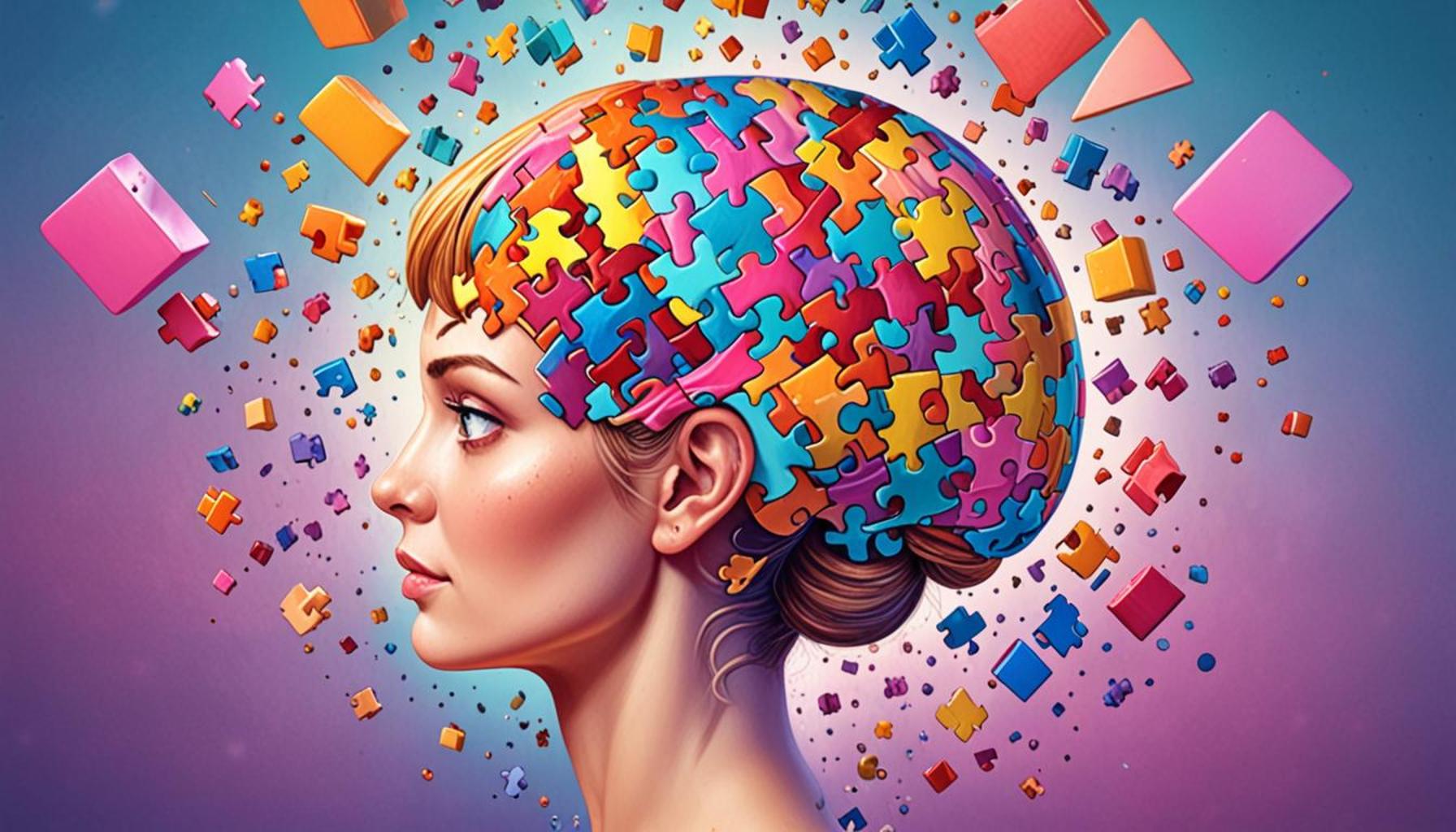
The Art of Creating Logic Puzzles: How Designers Combine Creativity and Reasoning

Understanding the Art of Logic Puzzle Design
Logic puzzles have captivated minds for centuries, intertwining creativity and reasoning in a compelling dance. These brain-teasers challenge players to think critically while exploring the realms of imagination. But how do puzzle designers strike the perfect balance between these two essential elements? The process of crafting a logic puzzle is a meticulous art form that involves several intriguing steps.
The Steps in Crafting a Logic Puzzle
To create a captivating logic puzzle, designers typically follow a structured approach that begins with:
- Concept Development: Designers engage in extensive brainstorming sessions to concoct themes and scenarios that not only pique interest but also immerse players in a particular narrative or context. For example, a popular theme might revolve around a mystery in a small town, where players must deduce the culprit from a series of clues. By rooting the puzzle in a relatable or imaginative scenario, designers ensure that players are not just solving abstract problems but also embarking on a mini-adventure.
- Structure and Flow: Each puzzle must be meticulously crafted to ensure logical progression. This means establishing a clear set of rules and conditions that players must navigate. For instance, in grid-based puzzles like Sudoku, the structure is defined by rows, columns, and blocks that collectively lead to a single solution. The challenge lies in finding that solution through deductive reasoning while adhering to the established constraints.
- Playtesting: Once a preliminary version of the puzzle is crafted, designers conduct playtesting sessions to gather vital feedback. This stage is crucial for fine-tuning the difficulty level and enhancing the overall experience. Are certain clues too obscure? Is the puzzle solvable within a reasonable timeframe? Insights from playtesters can lead to significant modifications, ensuring that the final product provides just the right mix of challenge and satisfaction.
The Educational Value of Logic Puzzles
This synergy between creativity and logic not only makes puzzles enjoyable but also serves educational purposes. Engaging with these challenges can enhance skills such as critical thinking, problem-solving, and analytical reasoning. Research suggests that such activities can improve cognitive flexibility and encourage innovative thinking. As a result, enthusiasts of all ages are drawn into the world of puzzles. Whether it’s a school child sharpening their reasoning skills or an adult seeking leisurely mental stimulation, logic puzzles cater to a diverse audience.
In the following sections, we will unveil the innovative strategies employed by designers and examine famous examples that showcase this art form. Notable puzzles, such as those crafted by renowned logician Raymond Smullyan or the classic “Zebra Puzzle” that invites solvers to deduce information through a series of clues, will illustrate the range of creativity within this genre. Get ready to unlock the secrets behind these fascinating challenges and discover what makes them so alluring. What makes one puzzle resonate with players while another fizzles? This exploration into the minds of puzzle creators may yield surprising answers, revealing the delicate balance of art and science in the world of logic puzzles.
DISCOVER MORE: Click here to dive deeper

The Intricate Balance of Creativity and Logic
In essence, logic puzzle design is a fascinating intersection where creative concepts meet rigorous logical reasoning. Designers must master the art of formulating intriguing narratives while simultaneously ensuring that solvable structures are in place. This delicate balance transforms mere numbers and letters into engaging challenges that inspire thought and entertain.
Essential Elements of Logic Puzzle Design
To delve deeper into this art form, one must consider the fundamental components that every designer should weave into their puzzles. These elements include:
- Thematic Relevance: A well-designed puzzle is often anchored by a compelling theme. Themes can range from detective mysteries to fantastical realms, allowing players to immerse themselves in the storyline as they piece together clues. Designers often ask themselves: What emotional tone do I want to evoke? Themes are not just decorative; they serve to engage players and enhance the problem-solving experience.
- Clarity of Instructions: Ambiguity can mar even the most cleverly constructed puzzles. Designers must articulate rules and hints with crystal-clear precision. A successful puzzle offers clear pathways for players to follow, minimizing misunderstandings while enabling them to focus on solving the challenge. This is particularly crucial in puzzles that involve intricate logic, as each clue should drive players toward the ultimate solution.
- Difficulty Gradient: Balancing challenge and accessibility is a key factor for designers. Incorporating a variety of difficulty levels across puzzles ensures that they cater to a broad audience. Designers often implement a tiered approach, introducing simpler challenges that gradually escalate toward more complex scenarios. This method allows novice puzzlers to feel a sense of accomplishment while still providing seasoned solvers with a stimulating experience.
- Innovative Problem-Solving Techniques: The most engaging puzzles often require creative thinking beyond straightforward logic. Designers introduce twists—unexpected connections, clever red herrings, or unusual problem-solving approaches that require players to think outside the box. This innovation keeps solvers engaged and challenged while reinforcing the idea that puzzles aren’t just about finding a solution; they’re about enjoying the journey of discovery.
Through the integration of these essential elements, puzzle designers create captivating works that invite players to unravel their mysteries. The sense of fulfillment that accompanies solving a well-crafted puzzle highlights the successful combination of creativity and reasoning.
As we progress through this exploration, it’s important to reflect on the significant influence of culture on puzzle design. The way that logic puzzles are shaped by societal interests, historical contexts, and popular trends can drastically alter their appeal. Understanding these influences opens a new realm of intrigue regarding how different types of puzzles resonate with distinct audiences.
In the forthcoming sections, we will further analyze the processes and philosophies that shape puzzle design, exploring how designers implement their artistic vision while maintaining logical integrity. By examining landmark puzzles and the minds behind them, we’ll uncover what truly makes these challenges a blend of art and intellect, inviting enthusiasts to continue the adventure of solving in the rich landscape of logic puzzles.
The Balancing Act of Design and Reasoning
Creating logic puzzles is a delicate balance between artistic creativity and logical reasoning. Designers employ innovative techniques that often draw upon a rich tapestry of inspiration—ranging from masterpieces in art to complex mathematical theories. Each puzzle is not merely a test of intellect; it is an engagement designed to entice and challenge the solver’s mind.One of the fascinating aspects of this art form lies in the incorporation of visual elements. Colors, shapes, and patterns are strategically used to captivate solvers, guiding their thoughts while simultaneously challenging their deductive skills. Furthermore, the narrative within a logic puzzle can add an intriguing dimension, transforming a mere challenge into an immersive experience.The designers themselves often possess diverse backgrounds—an amalgamation of artists, mathematicians, and psychologists. This varied expertise enables them to understand how to structure challenges that not only stimulate the brain but also evoke emotional responses. For instance, many successful logic puzzles integrate storytelling elements, requiring solvers to engage emotionally as they attempt to unravel the mystery.Moreover, understanding the target audience is crucial. Some puzzles may employ humor, while others lean towards more serious themes. This customization ensures that puzzles resonate with specific groups, maintaining their interest and engagement. Designers regularly conduct user testing to refine their puzzles, considering the feedback to maintain the delicate equilibrium between challenge and enjoyment.To further explore this vibrant art form, let’s delve deeper into the specific advantages that emerge from effectively merging creativity with logical reasoning in puzzle design.
| Category 1 | Category 2 |
|---|---|
| Creativity | Fosters innovation in puzzle design and engages solvers |
| Reasoning | Enhances cognitive skills and critical thinking abilities |
This captivating intersection of art and analysis not only entertains but also cultivates essential cognitive skills, revealing the profound impact of logic puzzles in our modern society.
DISCOVER MORE: Click here to dive deeper
Understanding Audience Engagement
To craft a successful logic puzzle, designers must deeply understand their audience. Each puzzle offers an opportunity to connect with players who vary greatly in their preferences, problem-solving strategies, and levels of experience. Engaging a diverse audience requires a nuanced approach. Designers often conduct surveys and gather feedback to tailor the complexity, theme, and type of puzzles they create.
A relevant case study is the popularity of Sudoku in the United States. Initially launched in Japan as “Number Place,” Sudoku captured the Western market’s attention in the early 2000s through its simple yet engaging methodology. The combination of a minimalistic design and a challenge that could be tackled by individuals at various skill levels illustrates how understanding audience engagement can enhance the appeal of logic puzzles. This case highlights the importance of recognizing cultural trends, as well as the significant learning curve some puzzles may demand from players.
Iterative Design Process
Creating logic puzzles is not a straightforward task; it often involves an iterative design process where concepts and drafts are continuously refined. Designers frequently prototype varied puzzles, testing them on different focus groups to see where players struggle or find joy. Through this process, designers gather invaluable insights that help polish the puzzles to be both challenging and enjoyable.
- Testing and Feedback: Each puzzle undergoes rigorous testing, as seasoned designers recognize that a puzzle’s true quality is often uncovered through real-world play. Player feedback allows designers to make necessary adjustments and enhance the user experience.
- Demo Events: Participating in logic puzzle competitions or exhibiting at conventions can be a goldmine for designers. By engaging directly with puzzle enthusiasts, designers field-test new ideas and refine existing puzzles through communal discourse, finding synergy between individual creativity and collective reasoning.
Technological Influence in Puzzle Design
The rise of digital platforms has revolutionized logic puzzle design, drastically expanding the canvas for creative expression. Online puzzle apps and games allow for interactive elements that traditional print formats cannot replicate. Designers can implement dynamic difficulty adjustments, offer hints, and track player progress in ways never before possible. Platforms like Brilliant, with its emphasis on problem-solving across mathematics and science, demonstrate how technology can create engaging puzzles tailored to users’ strengths and weaknesses.
Furthermore, the incorporation of artificial intelligence (AI) in puzzle design is emerging as a groundbreaking trend. AI can analyze solver behaviors, providing valuable input on puzzle effectiveness and player enjoyment. By aggregating data on how users solve or struggle with puzzles, designers can innovate and refine future puzzles, crafting experiences that are uniquely responsive to the audience’s needs.
Highlighting Iconic Puzzle Makers
Examining the philosophers and mathematicians who have influenced the genre offers additional insight into the art of puzzle creation. Renowned figures like Martin Gardner and his work in the realm of recreational mathematics have left a lasting legacy, demonstrating how puzzles can bridge the gap between education and enjoyment. Gardner’s innovative puzzles often used simple yet profound themes, encouraging millions to engage with logic and mathematics.
As designers continue to evolve the puzzle landscape, they do so by blending historical influences with modern techniques, creating a tapestry of challenges that appeal to a wide range of individuals. This blend of artistry and analytical thought underscores the ongoing journey of logic puzzle creation, inviting further exploration into the intricate world of reasoning and creativity.
DISCOVER MORE: Click here to delve into the effects of cognitive challenges on memory improvement.
Conclusion
In the ever-evolving world of logic puzzles, the intersection of creativity and reasoning serves as a foundation for engaging and thought-provoking designs. The journey from conceptualization to final execution not only challenges designers but also enhances the overall experience for solvers. By understanding their audience, employing an iterative design process, and leveraging the advancements in technology, puzzle creators are able to craft experiences that resonate across diverse demographics.
The case of Sudoku’s rise in the United States epitomizes how puzzles can bridge cultural gaps while catering to varying skill levels. As designers analyze player feedback and adapt to new trends, they unearth opportunities for deeper engagement, transforming simple challenges into impactful learning experiences. Furthermore, the introduction of artificial intelligence into puzzle design holds the promise of personalized experiences, ensuring that each player finds joy in the solving process.
The legacy of iconic figures like Martin Gardner not only inspires current designers but also reminds us of the rich history that informs today’s puzzles. Moving forward, the art of creating logic puzzles will continue to flourish as designers blend tradition with innovation, inviting enthusiasts and novices alike to embark on journeys filled with discovery and problem-solving. As we delve deeper into this fascinating realm, the call to explore and unravel the mysteries posed by these clever creations remains stronger than ever.