Digital Puzzles: The New Frontier for Memory Training in the Elderly
The Transformative Power of Digital Puzzles
The rise of technology has revolutionized numerous facets of everyday life. In this digital age, digital puzzles are rapidly gaining recognition as an innovative and enjoyable method for enhancing memory training, especially among the elderly. These interactive platforms offer not only entertainment but also cognitive challenges, making them an engaging way to stimulate brain activity and promote mental fitness.
As America’s population ages—the number of individuals aged 65 and older is projected to reach over 95 million by 2060—the necessity for maintaining mental agility becomes increasingly vital. Digital puzzles can play a significant role in this endeavor by:
- Improving memory retention: Regularly engaging with puzzles strengthens neural connections, aiding in information recall and retention over time.
- Enhancing problem-solving skills: Solving puzzles requires critical thinking and strategy, which can sharpen cognitive abilities applicable to daily life situations.
- Increasing focus and concentration: The immersive nature of digital puzzles encourages players to concentrate, thus helping improve attention spans.
Numerous studies have shown that participating in brain games can significantly diminish the risk of cognitive decline, with research from the National Institute on Aging indicating that regular mental exercises can boost cognitive longevity. The accessibility of these digital resources empowers seniors to train their brains from the comfort of their homes, making mental exercise both easy and enjoyable.
With a plethora of options available—ranging from familiar favorites such as crosswords and Sudoku to more interactive formats like jigsaw puzzles and mobile trivia games—digital puzzles cater to an array of preferences and skill levels. For instance, websites and apps like Lumosity and Elevate offer personalized brain training programs designed to challenge players while tracking their progress. This is more than just a passing trend; it represents a fundamental shift towards utilizing technology as a cornerstone for sustained cognitive health as people age.
As we look to the future, it’s clear that exploring these digital avenues can be a beneficial strategy for both caregivers and the elderly. By incorporating brain-stimulating games into their routines, individuals can discover effective methods for keeping their minds sharp and agile. This approach reinforces the idea that while physical age may increase, cognitive capabilities need not be bound by it. In essence, digital puzzles serve not only as tools for entertainment but also as vital resources for enhancing cognitive health well into the golden years.

DIVE DEEPER: Click here to discover how puzzles can enhance your memory
Engaging the Mind: The Mechanics of Digital Puzzles
In the realm of memory training, digital puzzles serve as an invaluable tool for enhancing cognitive functions in the elderly population. With a growing body of evidence supporting their effectiveness, these interactive games tap into fundamental mental exercises that promote neuroplasticity—the brain’s ability to reorganize itself by forming new neural connections throughout life. This adaptability is crucial for seniors seeking to stave off cognitive decline associated with aging.
The underlying mechanics of digital puzzles often involve a range of cognitive processes. Here, we detail some of the primary advantages that make these digital mediums not only accessible but also beneficial for mental fortitude:
- Variety of Challenges: Digital puzzle platforms offer a diverse selection of challenges—from logic-based games like Sudoku to engaging narrative-driven puzzles—allowing users to choose activities that resonate with them personally. This tailored approach enhances user engagement and maintains interest over time.
- Progress Tracking: Many applications designed for seniors incorporate analytics that track progress and give feedback on performance. This feature not only fosters motivation but also helps users identify areas for improvement, promoting a proactive approach to cognitive health.
- Social Interaction: Some digital puzzles include social elements, such as leaderboards and challenges against friends or family members. This aspect not only adds a layer of fun but can also help combat feelings of isolation, which can negatively impact mental health in older adults.
Research indicates that engaging in brain games can reduce the risk of memory-related diseases. A study published in the *Journal of the American Geriatrics Society* highlighted that seniors who regularly participated in brain-training exercises demonstrated a marked decline in cognitive impairment rates compared to their counterparts who did not use similar tools. The evidence suggests that digital puzzles hold transformative potential in reshaping how the elderly approach memory training.
Furthermore, the user-friendly nature of these digital platforms addresses common barriers to accessing cognitive training. Many digital puzzles are designed with large print, easy navigation, and varying difficulty levels, making them suitable for users with different skill sets. This accessibility is critical, considering the varied technological proficiency among seniors.
In light of these findings, caregivers, family members, and individuals themselves are encouraged to integrate digital puzzles into daily routines. Incorporating even a few minutes each day of puzzle-solving can yield meaningful benefits, ultimately leading to improved memory, heightened cognitive function, and a more engaged mental state as one ages. In essence, digital puzzles present a modern approach to memory training, making cognitive health a fun and interactive experience as we navigate the challenges of growing older.
| Advantage | Description |
|---|---|
| Cognitive Stimulation | Digital puzzles engage various cognitive skills such as memory, attention, and problem-solving, stimulating mental activity. |
| Social Interaction | Many digital puzzles can be played collaboratively, enhancing social bonds and combating isolation often felt by the elderly. |
| Accessible Learning | Digital platforms provide user-friendly interfaces that accommodate various learning styles, ensuring all users can participate. |
| Customization | Elderly users can choose puzzles tailored to their skill level, making memory training engaging and manageable. |
Digital puzzles represent a transformative approach to memory training, utilizing technology to create engaging cognitive exercises for the elderly. These puzzles can range from simple word games to complex logic challenges, appealing to diverse interests and abilities. Research indicates that regular engagement with such activities can significantly improve mental agility, reduce cognitive decline, and promote emotional well-being. The interactive nature of digital puzzles also encourages players to explore new strategies, enhancing their problem-solving skills in entertaining ways. Furthermore, as evidence mounts around the importance of lifelong learning, digital puzzles present a unique avenue for the elderly to stay sharp and involved in cognitive activities, fostering a culture of continuous growth and connection in a rapidly evolving digital landscape. As more seniors embrace digital technology, the potential for personalized memory training through puzzles is limitless.
DISCOVER MORE: Click here to uncover the secrets of logical puzzles
The Cognitive Benefits: A Deeper Dive into Memory Enhancement
As the elderly seek innovative means to maintain cognitive sharpness, digital puzzles provide varied benefits that extend beyond mere entertainment. Many studies highlight the significance of these puzzles in sharpening memory skills and enhancing overall brain function. The complexity of puzzles triggers a series of cognitive engagements; they often involve problem-solving, pattern recognition, and critical thinking, which are essential components in the maintenance of cognitive health.
A study conducted at the University of California, San Francisco, found that older adults who actively engaged in memory exercises, including digital puzzles, demonstrated improved neuropsychological test scores. Participants showed increased efficiency in tasks that required rapid retrieval of information, a key indicator of healthy cognitive processing. This result emphasizes that digital puzzles don’t just serve as a recreational escape but are a legitimate means to stimulate the brain.
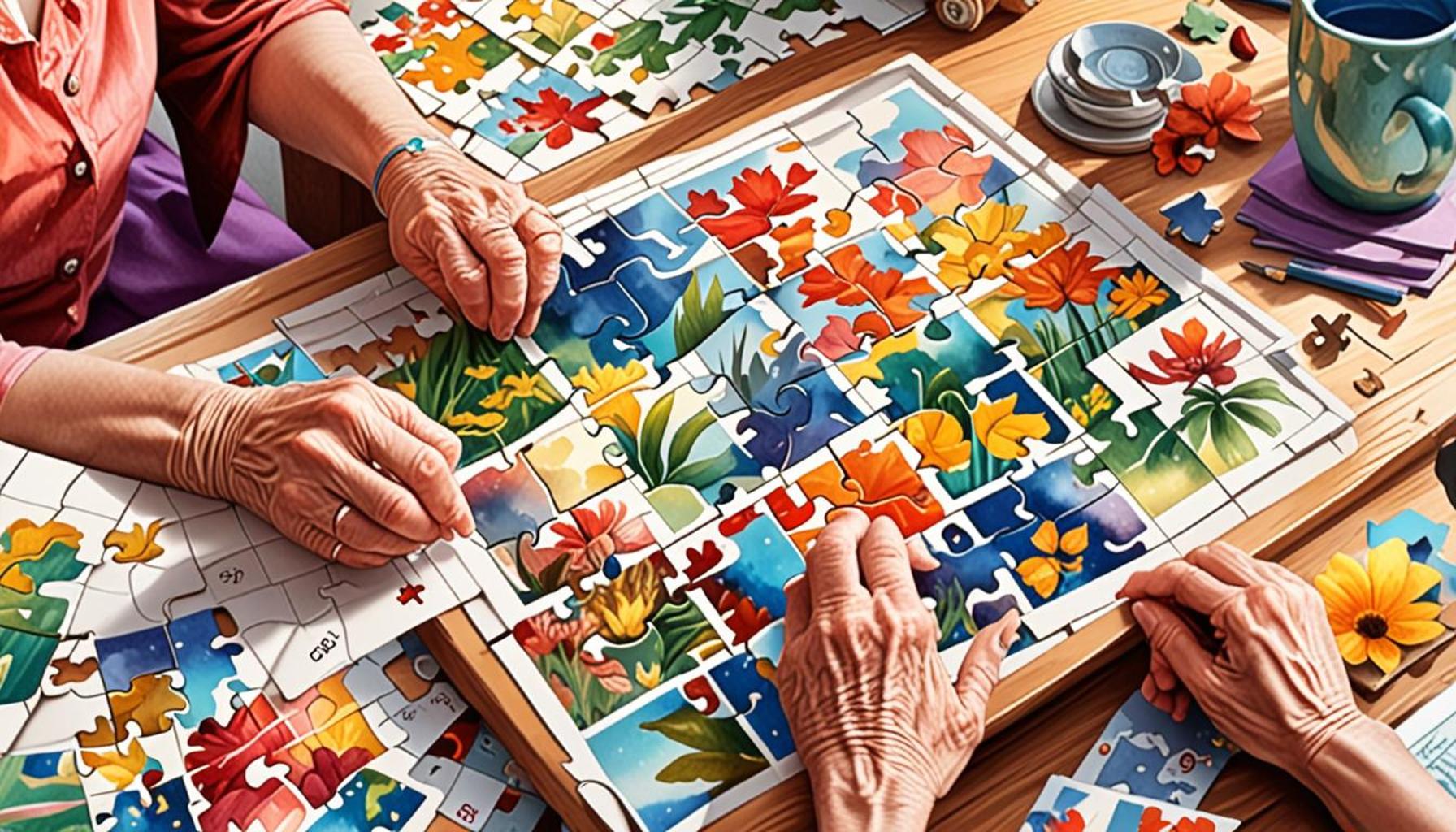
Additionally, puzzles that emphasize spatial reasoning—such as jigsaw puzzles or 3D games—have been found to enhance visual-spatial skills, a critical area of cognitive function that often wanes with age. Engaging in these activities can help seniors improve their ability to navigate their environment and perform everyday tasks, contributing to a sense of independence and self-efficacy. For instance, research published in the *Proceedings of the National Academy of Sciences* supports the notion that those who regularly practice spatial reasoning tend to exhibit enhanced memory retention for locations and objects over time.
Moreover, researchers have identified that cognitive training through digital puzzles might influence neurotransmitter levels, such as dopamine and serotonin. These neurotransmitters play a significant role in mood regulation and motivation, which are crucial elements as seniors contend with feelings of loneliness or anxiety. With gamified challenges incorporated into digital platforms, seniors are encouraged to explore new levels and achieve personal bests, thus promoting a sense of achievement and improving emotional well-being.
Digital puzzles also create a structured opportunity for mindfulness, encouraging users to focus and become absorbed in the activity. This single-tasking approach stands in stark contrast to the typical distractions of modern life. As seniors immerse themselves in a puzzle, they often find a state of flow—a psychological state characterized by complete absorption and engagement. For many, this experience is not only refreshing but also contributes to reduced stress levels, a crucial aspect of maintaining a healthy mind.
Furthermore, the accessibility of these platforms means that cognitive training isn’t limited to solitary activities. Many digital puzzle apps foster collaborative play, where users can share puzzles and solutions with family members or friends. This interaction not only bolsters social connections but can also encourage healthy competition, fueling motivation among elderly players. Some applications even include options for playing with grandkids, thus bridging the generational gap and enhancing familial bonds.
In essence, the cognitive advantages derived from digital puzzles go beyond their surface-level functionalities. As a viable option for memory training, they hold the potential to empower the elderly community, promoting cognitive resilience while offering enjoyment and social engagement. By embracing these tools, seniors can navigate their later years with greater ease, maintaining memory retention and cognitive prowess in the face of aging challenges.
DISCOVER MORE: Click here to enhance your strategic skills
Conclusion: Embracing Digital Puzzles for a Sharper Tomorrow
As we explore the transformative impact of digital puzzles on memory training for the elderly, it becomes increasingly clear that these engaging tools offer a multifaceted approach to cognitive enhancement. Not only do they provide a stimulating platform for sharpening memory skills, but they also foster emotional well-being and social connections indicative of healthy aging. The potential benefits—ranging from improved problem-solving abilities and enhanced visual-spatial skills to increased motivation and reduced feelings of loneliness—underscore the vital role these puzzles play in the lives of seniors.
In a world where traditional cognitive therapy can sometimes feel unapproachable, digital puzzles present an inviting alternative that integrates entertainment with brain training. By incorporating gamified elements and collaborative features, these platforms not only challenge the mind but also strengthen familial bonds through shared experiences. This fusion of fun and functionality encourages elderly users to engage actively with their cognitive health, creating a proactive stance against age-related decline.
Ultimately, as we venture further into the digital age, the availability and variety of puzzles designed explicitly for the elderly population are likely to expand, making cognitive training more accessible than ever. By embracing this new frontier of memory training, seniors can cultivate resilience, adapt to the challenges of aging, and lead richer, more connected lives. As we continue to uncover the numerous cognitive benefits associated with digital puzzles, it is crucial for families, caregivers, and healthcare professionals to champion their use, ensuring that our elderly community not only ages gracefully but also remains mentally engaged and vibrant.