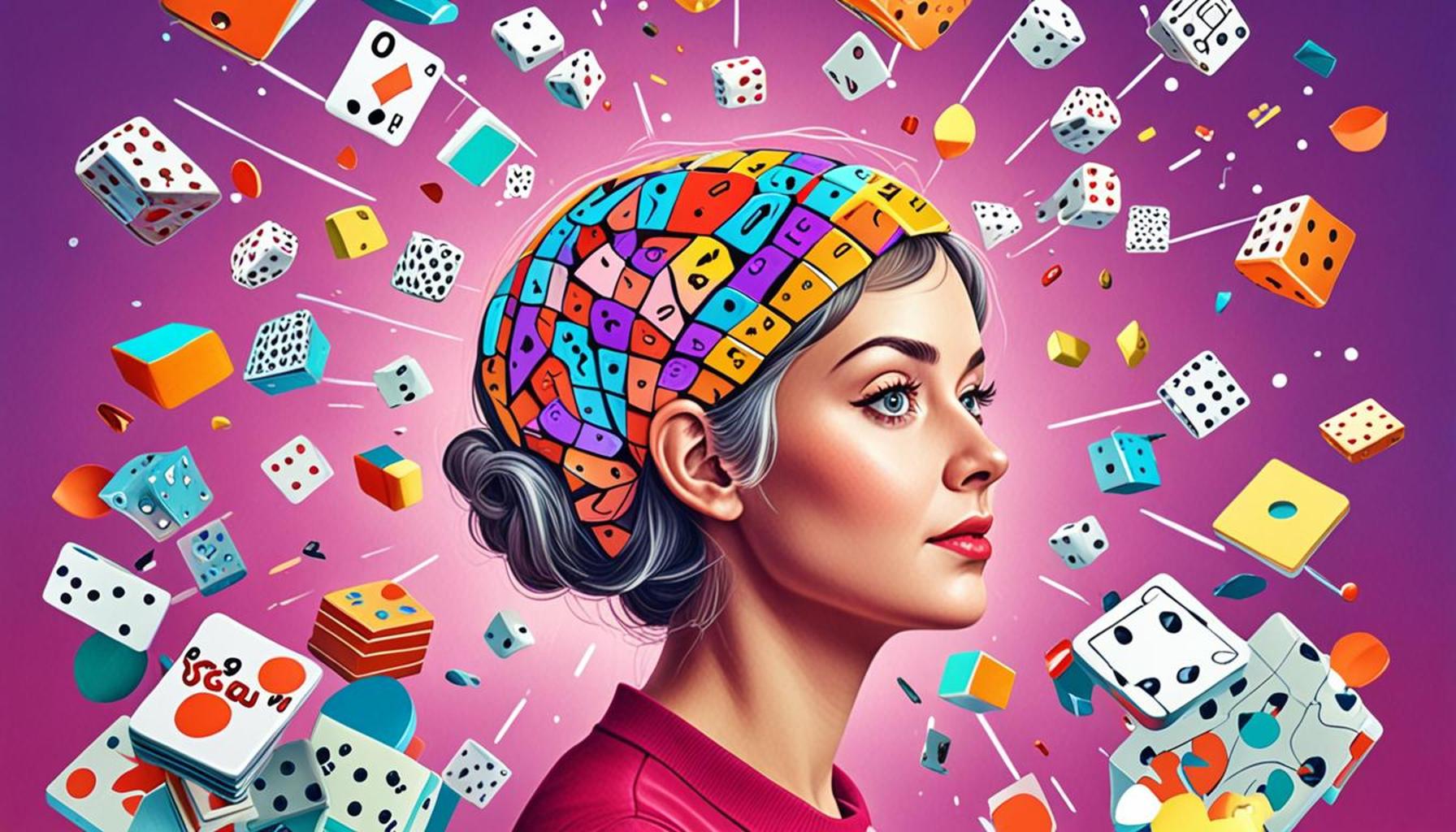
The Science Behind Memory Games: How They Enhance the Brain
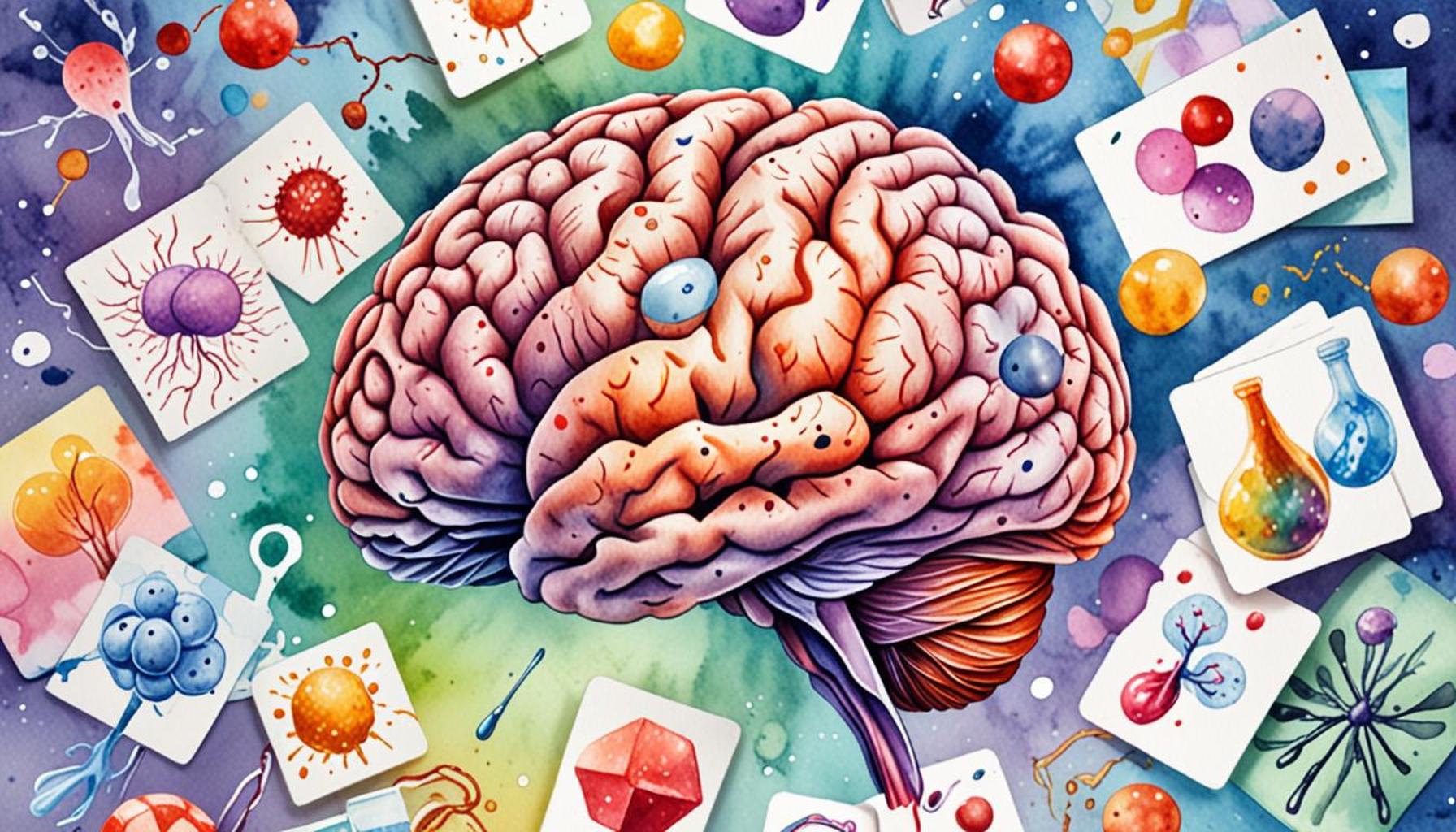
In recent years, the fascination with memory games has exploded, drawing the attention of not only casual players but also cognitive scientists and educators. As a form of engaging entertainment, these games promote more than just fun; they serve as effective tools for cognitive development and enhancement. By incorporating memory games into our daily routines, we can experience substantial improvements across a range of mental functions.
Benefits of Memory Games
Research indicates that participating in memory games offers a plethora of benefits, some of which include:
- Improved Short-term Memory: Engaging in regular memory exercises strengthens our ability to retain and recall information. For instance, someone who plays a memory card game frequently may find it easier to remember important details like phone numbers or grocery lists. This is particularly useful in both personal and professional settings, where the ability to quickly retrieve facts can be crucial.
- Increased Focus: The necessity for concentration in memory games often translates to better focus in other tasks. Players must not only memorize the location of cards or items but also remain attentive to their opponents, sharpening their overall concentration skills. This can especially benefit students and professionals who need to manage distractions in today’s fast-paced world.
- Enhanced Problem-solving Skills: Many memory games include strategic elements that require players to think critically and develop strategies. For example, a player might devise a plan to remember the order of previously flipped cards, honing their analytical thinking skills. Such abilities are invaluable, providing advantages across various fields, from academics to complex project management.
The Science Behind Memory Enhancement
But how does playing these games produce such remarkable mental benefits? The answer lies in the concept of neuroplasticity—the brain’s ability to reorganize itself and forge new neural connections throughout life. As players engage with memory games, they stimulate specific neural pathways associated with memory and processing speed. Increased engagement results in stronger synaptic connections, which can lead to significant cognitive improvements over time.
Variety of Memory Games
The spectrum of memory games available today is vast, catering to diverse interests and skill levels. From traditional card-matching games like “Concentration” to modern applications and online platforms that feature intricate puzzles and brain teasers, there is something for everyone. Digital games, such as “Lumosity” or “Peak,” offer tailored experiences that adapt to your skill level, making optimization of cognitive functions accessible for many.
A Gateway to Better Cognitive Function
Exploring the scientific principles behind memory games unravels a fascinating path toward unlocking greater cognitive potential. Whether you are a casual player seeking to enhance your mental agility or a student wanting to improve your study habits, memory games can provide the tools necessary for success. Are you ready to dive deeper into this compelling intersection of play and brain power?
DISCOVER MORE: Click here
The Cognitive Revolution: How Memory Games Impact Brain Health
The intriguing question of how memory games yield cognitive benefits is deeply rooted in neuroscience. At the heart of this exploration is the principle of neuroplasticity, which is the brain’s inherent ability to reorganize itself by forming new neural connections. When individuals participate in memory games, they challenge their brains to work harder, engaging various brain regions involved in memory and learning. This active engagement not only reinforces existing neural pathways but also encourages the development of new ones, ultimately enhancing overall brain function.
Mechanisms of Memory Improvement
The cognitive gains derived from memory games are supported by a variety of mechanisms:
- Sustained Cognitive Engagement: Memory games require players to concentrate intensely, which helps promote long-term memory retention. This sustained cognitive engagement, as evidenced by research, correlates with the brain’s ability to maintain and retrieve information more efficiently.
- Multisensory Stimulation: Many memory games stimulate multiple senses simultaneously. Whether you’re flipping cards, watching patterns, or listening for auditory cues, this multisensory approach can enhance memory recall. Studies suggest that engaging different senses can create stronger associations, making information easier to remember.
- Stress Reduction: Working in a relaxed state can dramatically improve cognitive performance. Engaging in enjoyable memory games can serve as a form of stress relief, allowing the brain to function optimally. Lower stress levels are known to enhance focus and clarity, facilitating better memory performance.
The impact of these games goes beyond mere entertainment; they function as effective training tools for the brain. Just as physical exercise strengthens the muscles, consistent memory gaming exercises cognitive capabilities and extends mental agility over time. Interestingly, studies have shown that even older adults who incorporate memory games into their routine can experience substantial improvements in cognitive abilities, challenging the stereotype of age-related cognitive decline.
Memory Games as Educational Tools
Beyond individual cognitive improvement, memory games are increasingly being utilized within educational settings. Educators are recognizing their potential to engage students in learning environments that foster improved retention and understanding of complex subject matter. In classrooms across the United States, innovative teaching strategies include memory games to supplement traditional teaching methods, making learning both effective and enjoyable.
As science continues to reveal more about the relationship between play and brain function, the popularity of memory games is expected to rise. So whether you’re a student, a busy professional, or an older adult looking to keep your mind sharp, embracing memory games may just be the key to unlocking enhanced cognitive abilities. As we delve deeper into the science behind these brain workouts, the link between play and improved mental performance becomes increasingly undeniable.
| Category | Description |
|---|---|
| Cognitive Development | Memory games stimulate areas of the brain responsible for learning, problem-solving, and critical thinking, making them essential for cognitive growth. |
| Memory Improvement | Engaging in memory games can lead to significant enhancements in recall and recognition, helping individuals sharpen their memory skills over time. |
Memory games have been proven to engage multiple cognitive domains, thereby enhancing the brain’s adaptability. Neuroscientific research indicates that such games activate neural pathways critical for information retention, which is beneficial across various stages of life. As players regularly confront challenges within these games, they not only improve their immediate problem-solving skills but also enhance their long-term cognitive resilience.Another fascinating aspect is the impact of memory games on social interaction and emotional well-being. Participating in group settings, such as during memory game competitions, can foster a sense of community, boosting mood and overall mental health.Furthermore, memory games often employ mechanisms that require repetition and active recall, techniques shown to strengthen neural connections. This repetitive engagement can potentially delay the onset of cognitive decline associated with aging, offering compelling reasons for individuals of all ages to incorporate such games into their routine.The science behind memory games is not just an interesting topic but a gateway to understanding the intricate relationship between play and brain health. As you delve deeper into this subject, remarkable insights into neuroplasticity and cognitive enhancement await discovery.
DISCOVER MORE: Click here to uncover the impact of memory games
Memory Games: A Gateway to Enhanced Learning and Development
The benefits of memory games extend beyond mere cognitive improvements and into the realms of learning and development. Recent studies have highlighted the ways in which these games can act as catalysts for enhancing critical thinking skills, attention span, and even creativity. By engaging players with challenges that require recall and quick thinking, memory games promote a dynamic learning environment that is both engaging and effective.
Enhancing Critical Thinking and Problem-Solving Skills
Memory games often require players to think critically and solve problems as they navigate through various levels and challenges. This engagement is not simply about memorization; it calls for strategic thinking and decision-making. Players must analyze patterns, consider their options, and often anticipate future moves, which enhances their cognitive flexibility. Research indicates that the improvement in problem-solving skills gained through these games can translate into practical, real-life scenarios, enabling individuals to apply learned strategies in academic and professional contexts.
Impact on Attention Span
In a society often plagued by distractions, improving one’s attention span is increasingly vital. Memory games require sustained focus and concentration, combating the effects of information overload common in our digital age. Engaging consistently with these games can train the brain to maintain attention over extended periods, which is a skill highly valued in both educational and occupational settings. Studies suggest that those who regularly participate in memory challenges report improved concentration, which aligns with findings that correlate short-term memory enhancement with longer attention spans.
Linking Memory Games and Emotional Well-being
The relationship between memory games and emotional well-being is another intriguing aspect worthy of exploration. As players engage in these cognitive exercises, they often experience feelings of accomplishment and satisfaction, which serve as positive reinforcements. The engagement in pleasurable activities like memory games can boost mood and significantly reduce symptoms of anxiety and depression. Some studies have found that inconsistent exposure to games that challenge the mind can help lower cortisol levels, which is the body’s primary stress hormone, improving overall mental health. Thus, the benefits of memory games may contribute to a more robust emotional resilience.
Incorporating Technology: Digital Memory Games and Their Efficacy
The advent of technology has brought memory games into the digital realm, expanding accessibility and engagement. Digital memory games and applications provide interactive platforms for players of all ages, and studies show that these platforms often come equipped with adaptive challenges tailored to individual skill levels. This personalized approach can maximize cognitive benefits while keeping players engaged. For instance, apps like Lumosity and Peak have blended neuroscience with game design to help users steadily boost their memory capabilities, receiving real-time feedback that tracks their progress. This interactivity captures a wide audience and can lead to enriching experiences that traditional offline memory games may not provide.
As research continues to illuminate the numerous benefits of memory games, their role as tools for learning and personal development will likely expand across classrooms, therapy settings, and homes. Players, educators, and health professionals alike are realizing that these engaging exercises are not just games but vital instruments for enhancing cognitive health, boosting emotional well-being, and cultivating a lifelong love of learning.
DIVE DEEPER: Click here to discover more
The Power of Memory Games: A Multifaceted Tool for Cognitive Enhancement
In conclusion, memory games stand out as a powerful avenue for enhancing cognitive functionality and promoting emotional well-being. The exploration of their impact reveals a complex web of benefits that extend to critical thinking, focus, and overall mental health. By engaging individuals in challenges that stimulate both memory recall and strategic problem-solving, these games cultivate a dynamic learning environment that aligns seamlessly with the needs of modern society, especially amidst the challenges posed by information overload.
Furthermore, the intersection of technology and memory games has amplified their reach, making them accessible to a wider audience through engaging digital platforms. This technological integration not only enriches the gaming experience but also allows for personalized learning pathways, catering to users of varying skill levels. As we traverse further into an increasingly digital age, the potential for memory games to become key tools in educational and therapeutic contexts is more promising than ever.
As we reflect on the findings presented, it becomes evident that memory games offer much more than entertainment; they are invaluable resources for talent development, emotional balance, and lifelong learning. For anyone looking to improve their cognitive skills or emotional resilience, the incorporation of memory games into daily routines could be an enlightening step toward achieving those goals. Ultimately, the science behind these games underscores their importance in fostering a healthier, sharper, and more creative mind.