
The Relevance of Strategy Games in Improving Memory and Logic Skills
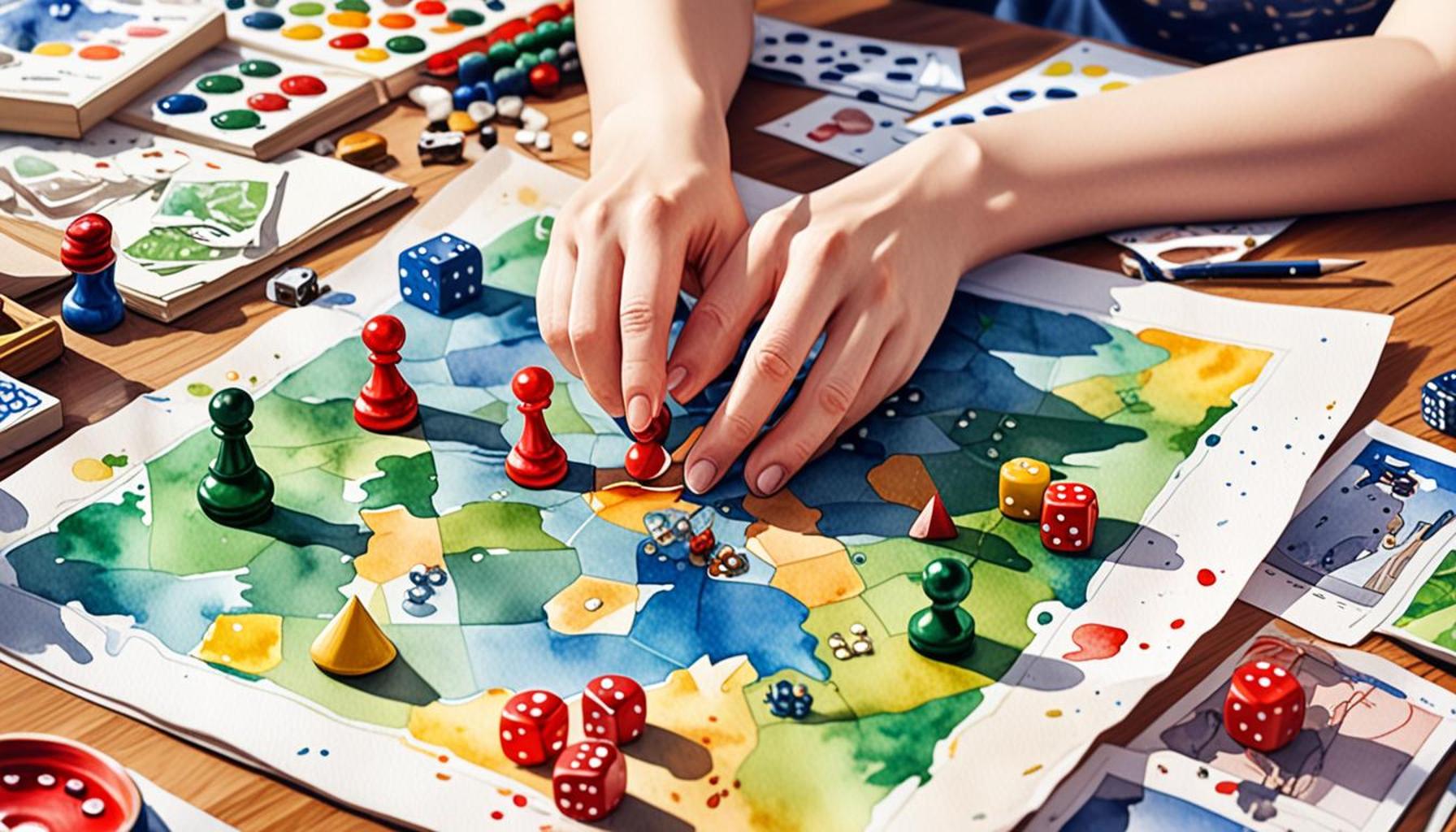
Understanding the Cognitive Benefits of Strategy Games
In the realm of cognitive development, strategy games provide a unique and potent avenue to engage and sharpen the mind. As we navigate through everyday life, the importance of sustaining mental acuity cannot be overstated. Many adults juggle careers, family commitments, and personal projects, often leading to cognitive overload. In this context, strategy games can serve as an effective escape that simultaneously enhances crucial cognitive skills.
The benefits of engaging with strategy games extend beyond mere entertainment. One significant advantage is their ability to boost memory retention. When players dive into a complex game of Chess, for instance, they are required to remember various openings, tactics, and even the historical context of famous matches. This continuous recall exercises the brain, enhancing both short-term and long-term memory capabilities.
Furthermore, each strategy game is inherently designed to enhance problem-solving skills. Take, for example, StarCraft. This fast-paced real-time strategy game challenges players to devise immediate solutions to unexpected problems, such as resource shortages or aggressive enemy players. The requirement to think on one’s feet encourages a flexible thinking approach, which can prove invaluable in high-stress situations in both personal and professional realms.
Additionally, engaging in these games fosters strategic planning, a skill necessary for both gamers and ordinary life. Games like Settlers of Catan require players to not only plan their moves but to anticipate and counter their opponents’ strategies effectively. This kind of foresight encourages players to weigh risks and rewards, helping them develop a clearer understanding of decision-making processes.
Supporting Research and Real-World Applications
Research studies have further highlighted the cognitive enhancements associated with gaming. For example, a recent study from the University of Michigan found that participants who played strategic games showed marked improvements in cognitive flexibility and spatial reasoning tasks. These skills translate well into various real-world applications, from improving workplace productivity to enhancing social interactions.

The implications of incorporating strategy games into educational curricula are staggering. Schools and universities increasingly recognize the potential of these games to improve student engagement and critical thinking. By integrating strategy games into classrooms, educators could not only facilitate learning but also cultivate a generation equipped with the skills to navigate an increasingly complex world.
In conclusion, strategy games present an intriguing confluence of entertainment and education. Their ability to challenge our memory, problem-solving, and strategic planning skills signifies their role beyond just a pastime. As we continue to explore their multifaceted benefits, one thing remains clear: strategy games might just hold the key to nurturing sharper minds in our ever-evolving digital landscape.
DIVE DEEPER: Click here to enhance your problem-solving skills
Delving into Memory Enhancement Through Gaming
The expanding realm of strategy games is not merely a source of amusement; it represents a powerful tool for enhancing memory and logic skills. The cognitive demands these games place on players create significant opportunities for mental growth. For instance, titles like Chess or Go engage players in a battleground where memorization becomes critical. Players are often required to recall intricate patterns and strategies while simultaneously anticipating their opponent’s moves. This dynamic interplay not only sharpens memory but also promotes the brain’s adaptability in processing complex information.
Key Mechanisms Behind Memory Improvement
Understanding how strategy games enhance memory can be distilled into several key mechanisms:
- Active Engagement: Strategy games require active mental involvement, compelling players to think critically rather than passively consuming information. This activity fosters deeper connections within the brain, enhancing neuroplasticity.
- Repetition: Continuous play exposes players to similar scenarios, necessitating the recall of previous strategies and outcomes. This sort of repetition galvanizes the brain’s retention capacity.
- Contextual Learning: Players acquire knowledge within the context of gameplay, imbuing them with a stronger memory anchor. This immersive experience helps solidify information in a meaningful way, making it easier to retrieve later.
A tangible example of memory improvement through strategy games can be seen in the popular game of Magic: The Gathering. Players must memorize an extensive database of cards, each with unique abilities and synergy effects. Such extensive memorization develops not only a player’s memory skills but also their ability to analyze the multifaceted relationships between different cards, fostering robust logical reasoning.
Logic Skills and Strategic Thinking
Beyond memory enhancement, strategy games place a substantial emphasis on developing logic skills. The requirement to formulate, anticipate, and counter strategies creates a fertile ground for honing these abilities. For instance, games like Civ VI encourage long-term strategic planning, forcing players to consider how their actions today will impact future outcomes. This emphasis on foresight fosters critical thinking and logical reasoning, getting players accustomed to evaluating different scenarios and their potential impacts.
As noted by Dr. Peter Dijkstra from the University of Exeter, engaging with such games can significantly improve logical reasoning abilities. “The complexity and unpredictability of strategy games compel players to engage in higher levels of cognitive processing,” he states.
The cognitive reinforcement gained through strategy games encourages players to approach various challenges in life with a more analytical mindset. By recognizing patterns and formulating strategies, individuals become more adept problem solvers, empowering them to tackle issues in academia, the workplace, and everyday situations.
Ultimately, the relevance of strategy games in enhancing memory and logic skills is profound. As society becomes more reliant on cognitive flexibility and analytical capability, there is a growing need to explore how these games can effectively contribute to cognitive fitness for individuals of all ages.
The Importance of Strategy Games in Cognitive Development
Strategy games have long been acknowledged for their ability to enhance cognitive functions, particularly memory and logic skills. These games challenge players to think critically, solve complex problems, and plan several moves ahead, effectively training the brain to operate at a higher level. By engaging in these games, players can develop skills that translate to real-world scenarios, making them not only enjoyable but also beneficial for mental growth.
Moreover, the interactive nature of strategy games fosters an environment that encourages concentration and focus. As players navigate intricate game worlds, they learn to retain critical information, enhancing their working memory. This improvement becomes evident in other areas of life, such as academic performance and decision-making processes.
In addition to memory enhancement, strategy games urge players to employ logic and reasoning. The need to analyze opponents’ moves and anticipate their actions reinforces the importance of strategic thinking. This not only provides a strong foundation for logical reasoning but also equips individuals with the ability to approach challenges more systematically in daily life.
| Category | Advantages |
|---|---|
| Cognitive Enhancement | Promotes critical thinking and problem-solving skills. |
| Memory Improvement | Increases retention of information through engaging gameplay. |
| Strategic Thinking | Fosters logical reasoning and planning abilities. |
| Social Skills | Encourages communication and teamwork among players. |
As players immerse themselves in various strategy games, they not only enjoy the gameplay but also embark on a journey of personal growth. The skills acquired through these intellectually stimulating experiences have far-reaching implications, reinforcing the idea that strategy games are an essential tool for cognitive development and improvement.
DIVE DEEPER: Click here to uncover the psychology behind strategy games
Exploring the Social Cognitive Benefits of Strategy Games
In addition to fostering memory and logic skills, strategy games provide a unique social context that enhances cognitive development through collaboration and competition. Engaging with others in multiplayer settings not only sharpens mental capacities but also promotes emotional intelligence and teamwork—essential skills in today’s interconnected world. Games like League of Legends and Dungeons & Dragons require players to communicate effectively, strategize in unison, and adapt to the ever-changing dynamics of gameplay, thus cultivating valuable social reasoning skills.
Collaboration and Communication
The multiplayer environment of strategy games necessitates strong collaboration among players. In co-op strategy games such as Age of Empires or StarCraft, players must work together to achieve common objectives, emphasizing the importance of sharing insights and strategizing as a team. This shared experience enhances memory retention of strategies while also highlighting successful approaches to problem-solving.
Moreover, effective communication is crucial in these settings. Players often rely on verbal and non-verbal cues to convey strategies, assessing their teammates’ strengths and weaknesses in real-time. Research from the American Psychological Association indicates that such interactions can significantly boost brain activity related to emotional processing and memory retention. As see by the collaborative efforts involved in games like Overcooked or Keep Talking and Nobody Explodes, players develop an instinct for high-pressure communication, further enhancing cognitive resilience.
Competitive Elements and Cognitive Agility
The competitive nature of many strategy games adds an extra layer of cognitive challenge. Players are compelled to remain vigilant and responsive as strategies unfold in real-time, deepening their capacity for cognitive agility. Popular titles like Fortnite and Hearthstone force players to adapt their strategies based on opponents’ actions, necessitating quick thinking and foresight. This constant adaptation mirror real-world scenarios and allows individuals to practice and refine their decision-making skills under pressure.
As highlighted by a study published in the Journal of Cognitive Neuroscience, individuals who engage in strategic gaming demonstrate improved executive functions, such as decision-making, task management, and abstract reasoning. The implication here is that these cognitive skills are transferable to various aspects of life, from handling academic challenges to navigating workplace dynamics.
Potential Applications in Education
The educational sector has started to recognize the value of strategy games as innovative teaching tools. Educators are increasingly integrating games like Minecraft: Education Edition into their curriculum to cultivate critical thinking skills. By navigating complex environments and solving spatial puzzles, students enhance their problem-solving abilities while working collaboratively, a crucial skill in many professional settings.
Furthermore, the implementation of strategy games in educational programs has shown promising results in improving memory retention among students. A study conducted at the University of Michigan revealed that students who engaged with educational strategy games had a 30% higher retention rate of the material compared to those who relied on traditional study methods. This finding underscores the potential of leveraging strategy games not only for entertainment but also as effective learning instruments.
Ultimately, the capacity of strategy games to enhance both cognitive and social skills underscores their relevance in today’s digital age. As they continue to evolve, these games will likely become increasingly integrated into various domains, from education to workplace training, affirming their role as powerful catalysts for improving memory and logic skills.
DIVE DEEPER: Click here to learn more
Conclusion: The Transformative Impact of Strategy Games on Cognitive Development
As we delve deeper into the realm of strategy games, it becomes increasingly evident that their impact extends far beyond mere entertainment. These games are powerful tools for enhancing memory and logic skills, while also fostering critical social and cognitive abilities. By engaging players in stimulating environments that prioritize collaboration, communication, and competition, strategy games promote a multifaceted approach to learning that traditional methods often overlook.
Research reveals that the interactive nature of these games not only sharpens cognitive functions but also builds essential life skills such as decision-making and task management. The findings highlight a noteworthy trend: the more we immerse ourselves in strategy games, the better equipped we are to tackle real-world challenges, whether in academic settings, workplaces, or personal lives. With educational institutions increasingly adopting games like Minecraft: Education Edition, the potential of strategy games to enrich learning experiences is becoming more recognized and validated.
Looking ahead, the relevance of strategy games is poised to grow, bridging gaps in education and professional training while enhancing our cognitive resilience. As players continue to refine their strategies and engage with complex scenarios, they not only sharpen their minds but also cultivate a lifelong passion for critical thinking. It is clear that the future holds exciting possibilities for using strategy games as instruments of growth, proving that they are not just games, but essential tools for developing sharper, more agile minds in a fast-paced world.