Logical Challenges in Events and Competitions: The Evolution of Puzzle Tournaments and Their Social Impacts
Unlocking the Mind: The Rise of Puzzle Competitions
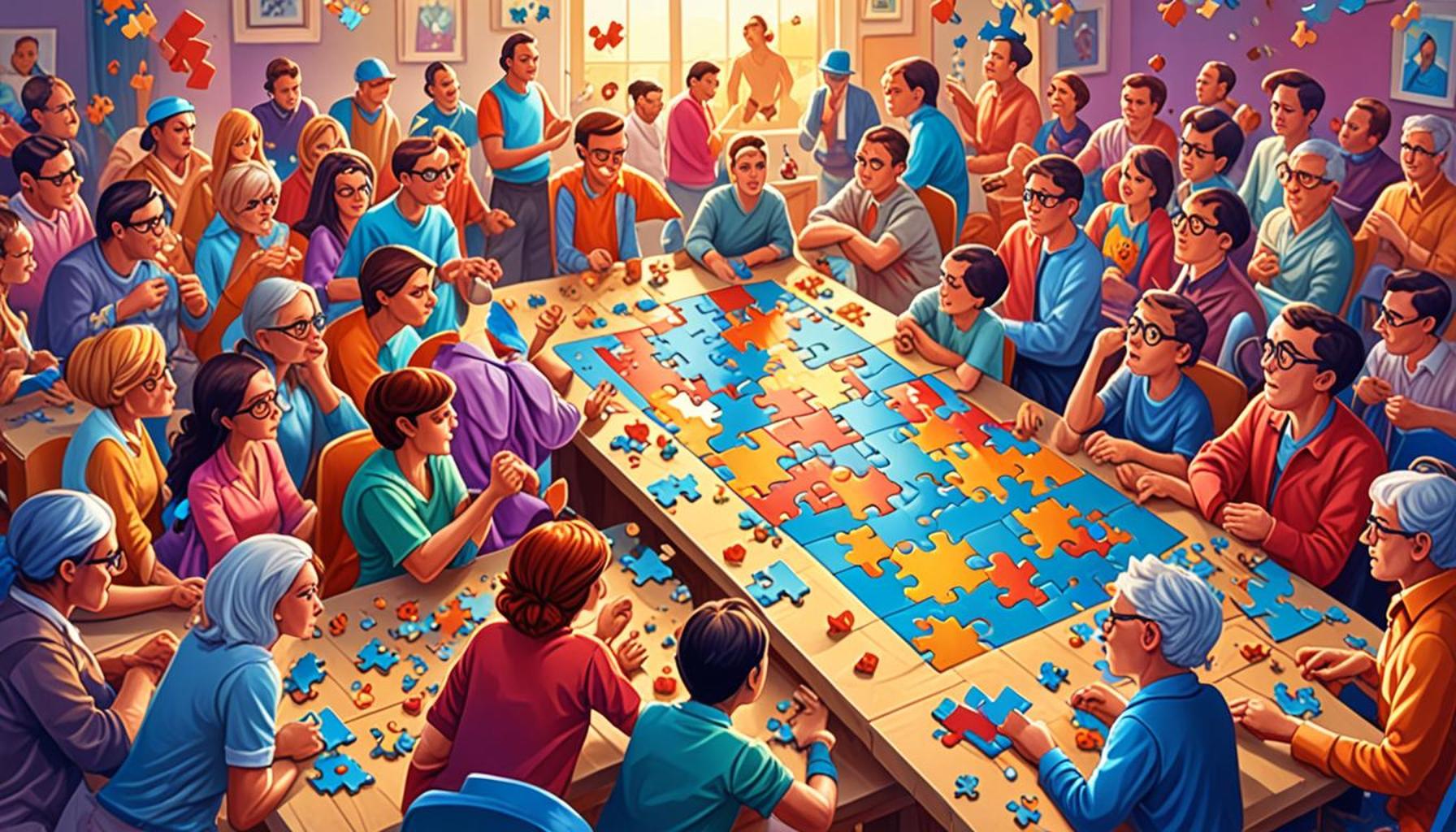
In a world where complex problems abound, logical challenges offer a unique escape. They’re not just games; they’re vital competitions that sharpen our minds and foster community engagement. From Sudoku to competitive programming, the evolution of puzzle tournaments has captivated a diverse audience, creating a powerful global phenomenon.
Consider the following points that illustrate this intriguing phenomenon:
- Historical Growth: Puzzle competitions date back to the early 1900s with the creation of the first crossword puzzles and logic games. They gained immense popularity through crossword contests in newspapers and puzzle magazines, leading to nationwide competitions. By the late 20th century, events like the World Puzzle Championship established a formal, international arena for puzzle enthusiasts.
- Variety of Formats: Events can range from national championships to online contests. The advent of the internet has revolutionized puzzle competitions, allowing participants to join events from anywhere in the world. Websites like Codeforces and Kaggle host competitive programming contests and data science challenges, attracting tech-savvy individuals eager to test their skills in real-time environments.
- Social Cohesion: These tournaments create bonds among participants, promoting teamwork and shared experiences. Local meetups and clubs often form around these competitions, providing a sense of community. For example, the American Crossword Puzzle Tournament not only fosters competition but is also a gathering of like-minded individuals who share a passion for words and logic.
- Impact on Education: Many educational institutions now incorporate puzzles into curricula, enhancing logical reasoning among students. Schools in the United States increasingly utilize puzzle-based learning techniques to stimulate critical thinking. For instance, math challenges that include logic puzzles encourage students to collaborate and share problem-solving strategies, reinforcing important skills that are vital for their future careers.
The appeal of these tournaments transcends mere pastime. They serve as avenues for social interaction, allowing individuals from various backgrounds to connect over common interests. Moreover, the mental workout they provide is beneficial for mental health, as engaging in puzzles can reduce stress and improve cognitive functions. The growing popularity of shows like “The Great British Bake Off,” which integrates problem-solving elements, also highlights society’s interest in competitions that require both creativity and critical thinking.
As the passion for puzzles continues to grow, their role in society becomes increasingly significant. They not only challenge us intellectually but also help us forge connections with others who share our interests. Join us as we delve deeper into the world of logical challenges, exploring their evolution and the profound impacts they have on our communities and beyond.
DISCOVER MORE: Click here to learn about boosting your child’s cognitive skills
The Mechanics of Mastery: How Puzzle Competitions Function
Puzzle competitions operate on a foundation of both skill and strategy, making them appealing to a wide audience. Participants engage in various types of logical challenges that test their mental acuity, creativity, and ability to work under pressure. The nature of these events can vary significantly, influencing both the experience of the competitors and the audience’s engagement. Here, we detail several facets that define the operational structure of these competitions.
- Format and Structure: Puzzle tournaments typically utilize a range of formats including individual challenges, team collaborations, and timed competitions. The structure can include preliminary rounds leading to finals, which not only heightens the tension but also allows a broader pool of participants to showcase their talents. For instance, the National Sudoku Championship operates on a tiered system where the best competitors face off in a nail-biting final round.
- Challenge Categories: Participants often encounter a diverse array of puzzles that test different cognitive skills. Traditional categories include logic puzzles, word games, and number challenges such as those found in brain teasers or crosswords. More modern competitions, like hackathons, may feature programming-related tasks that require not only logical thinking but also the ability to apply knowledge practically under time constraints.
- Judging and Scoring: The evaluation process is critical, with judges assessing both accuracy and speed. Scoring may involve points awarded for correct answers and penalties for incorrect attempts. Events like the World Sudoku Championship emphasize time management as well; the quicker a competitor completes the puzzles accurately, the better their overall ranking. This scoring mechanism keeps participants on edge, as they balance speed with precision.
- Use of Technology: The integration of technology in puzzle tournaments has further transformed the landscape. Digital platforms allow for online participation, expanding accessibility beyond geographical constraints. For example, Codewars and HackerRank cater to tech enthusiasts worldwide, providing instant feedback and fostering a competitive spirit through leaderboards. This shift towards online puzzles enables events to gather larger crowds and attract sponsorship from tech companies eager to tap into this intellectually engaged demographic.
Understanding the inner workings of puzzle competitions illuminates their broader appeal. They are not only contests of intelligence but are also intricate systems that encourage interpersonal connection and healthy competition. As participants come together, they share strategies and insights, which lays the groundwork for community building. Such interactions echo the sentiments of players and fans alike, reinforcing the notion that the world of logical challenges extends beyond the mere act of solving puzzles.
As we delve deeper into the implications of these events on societal dynamics and individual growth, we uncover the multifaceted impacts that stem from this unique blend of competition and collaboration. Stay tuned to explore how puzzle tournaments forge connections, ignite passion, and influence educational paradigms in a rapidly evolving society.
Expanding Horizons: The Role of Online Platforms in Puzzle Tournaments
The digital age has markedly transformed the landscape of puzzle tournaments, introducing a level of accessibility unprecedented in the history of these events. Online platforms have allowed competitors from diverse geographical locations to converge, enabling a wider array of participants to showcase their skills. This democratization hastens the evolution of puzzles themselves, fostering a melting pot of ideas and innovative challenge designs. With the advent of these platforms, events like the World Puzzle Championship have embraced virtual formats, unlocking participation to enthusiasts who would have otherwise faced travel and logistical barriers.Moreover, the social implications of puzzle tournaments have grown significantly due to their virtual nature. Players connect not only through competition but also through forums and social media, building communities with shared interests. This fosters engagement and collaboration, enhancing social bonds among participants, and transforming mere competitors into collaborative problem solvers. Tournaments now cultivate networks that extend beyond just puzzles—a shift that aligns with contemporary trends in social connectivity.
The Integration of Analytics: A Data-Driven Approach to Puzzle Solving
As puzzle competitions evolve, the integration of analytics has opened new frontiers in understanding participant behavior and performance. Tools that analyze solving strategies and outcomes provide valuable insights into cognitive processes, enriching the tournament experience for participants and organizers alike. By employing data-driven methodologies, events can tailor challenges to better fit the skills and preferences of participants, elevating the competitive quality and enjoyment for all involved.Additionally, understanding these analytics aids in enhancing the educational value of puzzle tournaments. By mapping common solving errors or identifying strategic inefficiencies, organizers can develop workshops and resources aimed at skill improvement. This focus on participant growth transforms competitions into learning experiences, bridging the gap between entertainment and education. As a result, the impact of puzzle tournaments extends beyond the event itself, contributing to broader cognitive development and fostering a more strategically minded community.
| Category 1 | Category 2 |
|---|---|
| Online Platforms | Enable wider access to competitions and communities |
| Social Connectivity | Fosters interaction and collaboration among participants |
DISCOVER MORE: Click here to learn how memory games can boost your brainpower
The Social Fabric of Puzzle Tournaments: Fostering Community and Innovation
As puzzle tournaments delve deeper into the social realm, they not only encourage participants to sharpen their logical skills but also play a significant role in fostering community interactions and collaborative problem-solving. These gatherings serve as platforms for individuals from diverse backgrounds to come together, share their passion for puzzles, and develop friendships that often extend beyond the event itself.
- Building Connections: The atmosphere at a puzzle tournament is often electric with enthusiasm. Participants bond over shared strategies, unique solving methods, and personal anecdotes related to their favorite types of puzzles. Events like the American Crossword Puzzle Tournament exemplify this camaraderie, where aficionados gather to swap tips, enjoy discussions, and even engage in friendly rivalry. Such interactions create an inclusive environment where strangers become friends united by their love for mental challenges.
- Diversity and Inclusivity: Puzzle competitions are witnessing a growing commitment to diversity and inclusion. Many organizations actively promote participation from underrepresented groups, hosting outreach programs designed to attract a wider audience. Initiatives like Girls Who Code have emerged, aiming to empower young women in coding challenges that blend traditional puzzle-solving with modern technology applications. This focus not only equips participants with vital skills but also enriches the overall dialogue and experience at tournaments.
- Encouraging Innovation: In addition to enhancing logical reasoning, puzzle tournaments inspire innovative thinking among competitors. The format encourages participants to experiment with creative approaches to problem-solving, often leading to new strategies or solutions that can benefit industries outside the competitive realm. Events such as the Global Problem Solving Summit provide a venue for teams to tackle real-world problems using puzzle-solving methodology, highlighting how critical thinking can lead to practical inventions and efficiencies.
- Cognitive Development and Lifelong Learning: Taking part in puzzle tournaments may also enhance cognitive development across age groups. Studies suggest that engaging in such activities provides mental stimulation that could help prevent cognitive decline, making them beneficial for older participants as well as youthful competitors. Events like the World Memory Championships invite participants of all ages to showcase their skills in memorization and problem-solving, emphasizing the value of mental effort in pursuit of personal growth and lifelong learning.
The positive social effects arising from puzzle tournaments extend far beyond the competitive arena. They serve as catalysts for creativity, empathy, and understanding among diverse populations while cultivating a spirit of collaboration that transcends barriers. The ripple effect of these logical challenges continues to positively influence individual lives and, by extension, the communities they inhabit. As we explore further, it becomes clear that the implications of puzzle tournaments stretch into educational systems and methodologies, shaping the way tomorrow’s leaders approach problem-solving in an increasingly complex world.
DISCOVER MORE: Click here to learn about boosting your memory with mind games
Conclusion: The Lasting Legacy of Puzzle Tournaments
In summary, the evolution of puzzle tournaments represents a dynamic interplay of logical challenges and social engagement, creating thriving communities that enrich participants’ lives both intellectually and socially. As these events gain prominence across the United States and beyond, they reveal the significant impact they have on fostering connections among diverse groups while promoting inclusivity and innovation. The friendships formed in these vibrant settings not only enhance the atmosphere of competition but also lay the foundation for collaborative problem-solving that extends well beyond the tournament venue.
Additionally, the commitment to diversity within participants invites broader perspectives into the world of puzzles, as seen with initiatives targeting underrepresented groups and empowering individuals through various skill-building programs. The lingering effects of outdoor tournaments, like the American Crossword Puzzle Tournament, encourage a continuous exchange of ideas and techniques, fostering a culture of lifelong learning and cognitive growth.
Furthermore, the ethos of creativity that emerges from puzzle-solving extends into everyday practice, influencing how we tackle challenges in both our personal and professional lives. These events are not just about competition; they are an essential means of cognitive development that can address the pressing needs of an increasingly complex world.
Looking ahead, as we continue to embrace the logical challenges of puzzle tournaments, it becomes clear that their significance transcends competition; they stand as vibrant celebrations of human intellect and a testament to our innate desire for connection, community, and continuous growth. Understanding this legacy can inspire more widespread appreciation for mental challenges as beneficial avenues for societal development.