The Importance of Sleep Hygiene to Improve Rest Quality

Why Millions of Americans Are Waking Up Tired
Nearly 1 in 3 U.S. adults fail to get the recommended seven hours of sleep each night, according to the CDC. The result? A nation running on caffeine, naps, and sheer willpower.
What if the fix isn’t more sleep, but better sleep hygiene?
The Hidden Cost of Poor Sleep Habits
Chronic sleep deprivation isn’t just about feeling groggy. It’s linked to serious health risks that many people overlook, often without realizing the connection until symptoms pile up.
- Increased risk of heart disease and high blood pressure
- Weakened immune system function
- Higher likelihood of anxiety and depression
- Reduced productivity and cognitive performance
Beyond these headline risks, poor sleep also affects everyday decision-making. Studies show that sleep-deprived drivers cause thousands of car accidents each year in the United States, a statistic that rivals the dangers associated with drunk driving. Workplace errors, memory lapses, and even weight gain have all been tied to insufficient rest, making this far more than a personal inconvenience—it’s a public health concern hiding in plain sight.
What Exactly Is Sleep Hygiene?
Sleep hygiene refers to the habits, routines, and environmental factors that directly influence how well you sleep. Think of it as a nightly checklist your body relies on to shut down properly.
From screen time before bed to room temperature, small choices add up fast. Even seemingly harmless habits, like scrolling through social media in bed or keeping a bedroom cluttered with electronics, can quietly sabotage your body’s natural wind-down process.
Simple Changes, Real Results
The good news is that you don’t need expensive gadgets to improve sleep quality. Research shows that consistent, low-cost adjustments can make a measurable difference within days.
- Sticking to a fixed sleep-wake schedule
- Limiting blue light exposure after sunset
- Creating a cool, dark, quiet bedroom
- Avoiding caffeine and heavy meals late in the day
These sleep hygiene tips aren’t just theory—they’re backed by sleep specialists nationwide, including experts at institutions like the Mayo Clinic. Many report that patients who commit to these changes for even two weeks notice improvements in mood, focus, and overall energy levels.
Ready to discover how healthy sleep habits can transform your energy, mood, and long-term health? Let’s break down exactly how to get there.
SEE ALSO: Mindfulness and Relaxation Practices to Optimize Sleep Quality
# The Science Behind Sleep Hygiene: How Your Body Clock Really WorksBefore diving into fixes, it helps to understand what’s happening inside your body every night. Sleep isn’t just “shutting off”—it’s a complex biological process governed by your circadian rhythm, an internal 24-hour clock that regulates when you feel alert or drowsy.This clock responds directly to environmental cues, especially light exposure. When your circadian rhythm falls out of sync due to inconsistent sleep hygiene, your body struggles to know when it’s actually time to rest.## The Circadian Rhythm ConnectionYour brain releases melatonin, the hormone responsible for sleepiness, in response to darkness. Artificial light—particularly the blue light emitted by phones, tablets, and TVs—tricks your brain into thinking it’s still daytime.This is why late-night scrolling sessions often lead to that frustrating “wired but tired” feeling. Understanding this mechanism is the first step toward learning how to improve rest naturally, rather than relying on melatonin supplements or sleep medications.Consider these circadian disruptors most Americans encounter daily:
- Working night shifts or irregular hours
- Traveling across time zones without adjustment periods
- Using smartphones within an hour of bedtime
- Sleeping with bedroom lights or television on
- Inconsistent wake-up times between weekdays and weekends
## Why Consistency Matters More Than You ThinkSleep researchers at institutions like Harvard Medical School emphasize that timing matters just as much as duration. Sleeping seven hours at wildly different times each night doesn’t produce the same restorative benefits as seven consistent hours.This concept, often called “sleep debt,” explains why weekend catch-up sleep rarely feels as refreshing as expected. Your body doesn’t simply average out lost sleep—it accumulates deficits that affect alertness, mood, and even metabolic function over time.A 2022 study published in the Journal of Clinical Sleep Medicine found that irregular sleep patterns were linked to a higher risk of obesity and cardiovascular issues, independent of total sleep duration. In other words, when you sleep may matter as much as how long you sleep.This is precisely why the benefits of sleep hygiene extend far beyond simply feeling less tired. Establishing healthy sleep habits creates a stable internal rhythm that supports nearly every biological system, from hormone regulation to immune defense.Understanding these mechanisms sets the stage for practical strategies you can start using tonight to reclaim your rest.

Key Aspects of Sleep Hygiene and Their Benefits
Understanding sleep hygiene means recognizing the small daily habits that shape how well you rest each night. The table below breaks down essential elements linked to healthy sleep habits and highlights how each one contributes to better rest.
| Sleep Hygiene Aspect | Benefit for Rest Quality |
|---|---|
| Consistent Sleep Schedule | Regulates the circadian rhythm, making it easier to fall asleep and wake naturally. |
| Reduced Screen Exposure | Limits blue light disruption, boosting melatonin production for deeper rest. |
| Optimal Bedroom Temperature | Supports faster sleep onset and fewer nighttime awakenings. |
| Limited Caffeine Intake | Prevents stimulant interference, one of the top sleep hygiene tips for uninterrupted rest. |
| Relaxing Pre-Sleep Routine | Lowers stress hormones, a proven way to improve sleep quality naturally. |
These practical strategies show how how to improve rest is often less about drastic changes and more about consistent, small adjustments. Exploring the benefits of sleep hygiene further reveals why sleep specialists consider it a cornerstone of overall well-being.
CHECK OUT: The impact of regular physical activity on sleep quality
The Bedroom Environment: Your Sleep Sanctuary or Silent Saboteur
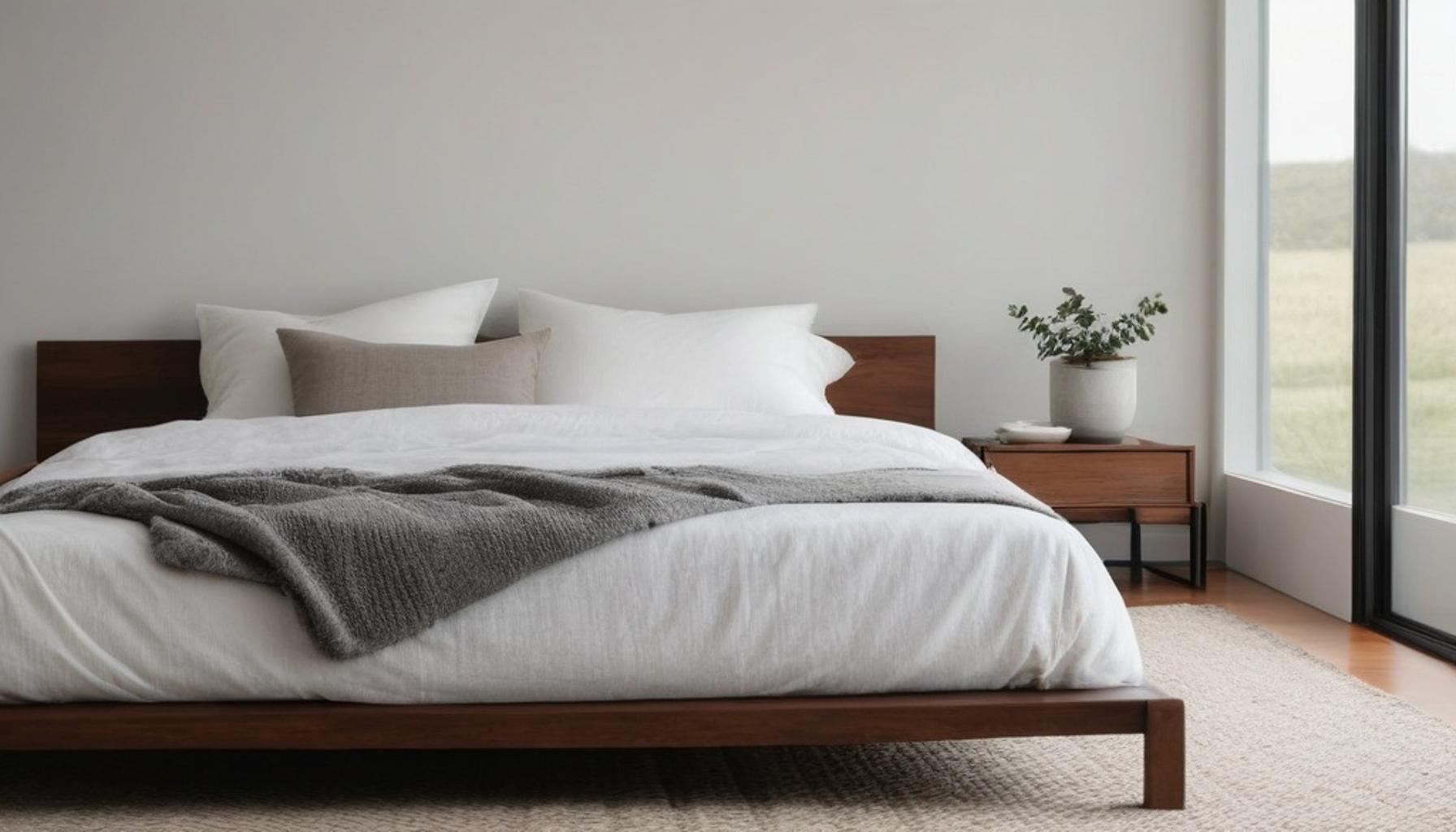
Walk into most American bedrooms and you’ll likely find a television, a phone charging on the nightstand, and a thermostat set without much thought. Yet sleep hygiene experts point to the bedroom environment as one of the most overlooked factors sabotaging rest quality.
The National Sleep Foundation recommends keeping bedrooms between 60 and 67 degrees Fahrenheit for optimal rest. This might explain why so many people toss and turn during humid summer nights in states like Florida or Texas, where air conditioning habits vary widely from household to household.
Light, Noise, and Temperature Control
Darkness triggers melatonin production, but few homes achieve true darkness. Streetlights, digital clock displays, and even small LED indicators on electronics can interfere with the signals your brain needs to stay asleep through the night.
Consider these environmental adjustments that directly support healthy sleep habits:
- Installing blackout curtains to block streetlights and early morning sun
- Using white noise machines to mask disruptive city or traffic sounds
- Removing electronics with standby lights from the bedroom entirely
- Investing in a mattress and pillows suited to your sleep position
- Reserving the bed exclusively for sleep, not work or scrolling
That last point deserves special attention. Sleep specialists often describe this as “stimulus control therapy,” a technique where the brain learns to associate the bed strictly with rest. Answering emails or watching Netflix in bed weakens this association, making it harder to wind down when it actually matters.
Diet, Caffeine, and the Timing Trap
Few people realize how long caffeine actually lingers in the bloodstream. That afternoon coffee run at 3 p.m.—a common ritual in offices across the country—can still have roughly 50 percent of its caffeine active in your system at 9 p.m., according to research from the American Academy of Sleep Medicine.
Alcohol presents a similar deception. While a nightcap might induce drowsiness initially, it fragments sleep architecture later in the night, reducing REM sleep and leading to that groggy, unrefreshed feeling many attribute to something else entirely.
Heavy meals close to bedtime force the digestive system into overdrive precisely when the body should be slowing down. Nutritionists suggest finishing dinner at least two to three hours before lying down to avoid this conflict.
Practical Sleep Hygiene Tips for Real Life
Learning how to improve rest doesn’t require drastic lifestyle overhauls. Small, sustainable shifts often produce the most noticeable results:
- Shifting your last coffee to before noon
- Swapping late-night snacking for herbal tea like chamomile
- Creating a wind-down ritual, such as reading or light stretching
- Limiting alcohol intake to earlier in the evening, if consumed at all
These adjustments, combined with a consistent environment, form the practical backbone of the benefits of sleep hygiene that researchers continue to document across thousands of clinical studies nationwide.
RECOMMENDED: The Impact of Physical Activity on Sleep Quality
Small Changes, Measurable Results
Across every angle explored in this article, one truth stands out: sleep hygiene is not a single action but a collection of habits that work together. Temperature, light, caffeine timing, and bedtime routines all interact in ways that either support or sabotage the body’s natural rhythms.
The Centers for Disease Control and Prevention reports that more than one-third of American adults fail to get sufficient sleep on a regular basis. That statistic alone suggests this isn’t a niche concern but a widespread public health issue playing out in bedrooms from Seattle to Miami.
Why Consistency Outperforms Quick Fixes
Unlike fad diets or overnight solutions promoted online, genuine improvements to rest quality come from repetition. A cool, dark room combined with an earlier caffeine cutoff won’t produce results after just one night. Over several weeks, however, these habits recalibrate the body’s internal clock, making healthy sleep habits feel automatic rather than forced.
This is precisely why sleep specialists rarely recommend drastic overhauls. Instead, they encourage gradual shifts: adjusting the thermostat by a few degrees, moving the last cup of coffee earlier, or setting a consistent wake time even on weekends.
A Broader Perspective on Rest
Improving sleep isn’t only about avoiding grogginess. Research increasingly links poor rest to cardiovascular strain, weakened immune response, and impaired cognitive function. Viewed this way, the benefits of sleep hygiene extend far beyond feeling rested—they touch nearly every system in the body.
For anyone ready to take action, the path forward doesn’t require expensive gadgets or complicated tracking apps. The most effective sleep hygiene tips remain refreshingly simple: control your environment, respect your body’s chemistry, and protect consistency above all else.
Understanding how to improve rest ultimately means recognizing sleep not as a passive event, but as an active practice worth prioritizing every single night.
Frequently Asked Questions
What exactly counts as good sleep hygiene?
Good sleep hygiene refers to a set of habits and environmental factors that promote consistent, high-quality sleep, such as keeping a regular sleep schedule, limiting screen time before bed, and maintaining a cool, dark bedroom. It also includes avoiding caffeine and heavy meals late in the day. These practices help regulate your body’s internal clock and improve overall rest quality.
How long does it take to see results after improving sleep hygiene?
Most people notice improvements in sleep quality within one to two weeks of consistently practicing better sleep hygiene. However, deeper benefits like reduced daytime fatigue and improved mood may take three to four weeks to fully manifest. Consistency is key, as irregular habits can slow progress.
Can poor sleep hygiene cause insomnia even without an underlying medical condition?
Yes, poor sleep hygiene is a common cause of insomnia, even in people without any diagnosed sleep disorder. Habits like irregular bedtimes, excessive screen exposure, and inconsistent wake times can disrupt your circadian rhythm and make it harder to fall or stay asleep. Correcting these behaviors often resolves mild to moderate insomnia symptoms.
What temperature should my bedroom be for optimal sleep hygiene?
Experts generally recommend keeping your bedroom between 60 and 67 degrees Fahrenheit for optimal sleep. A cooler room helps lower your core body temperature, which signals to your brain that it’s time to sleep. Adjusting bedding and sleepwear can also help maintain this ideal range throughout the night.
Does using my phone in bed really affect sleep hygiene that much?
Yes, using your phone in bed significantly disrupts sleep hygiene because the blue light emitted suppresses melatonin production, the hormone responsible for making you feel sleepy. Additionally, engaging content can increase mental alertness, making it harder to wind down. Experts recommend avoiding screens at least 30 to 60 minutes before bedtime for better rest quality.
Is it bad for sleep hygiene to take naps during the day?
Short naps of 10 to 20 minutes taken earlier in the afternoon typically don’t harm sleep hygiene and can even boost alertness. However, long or late-day naps can interfere with your ability to fall asleep at night by reducing your natural sleep drive. If you struggle with nighttime sleep, it’s best to limit or avoid napping altogether.

Linda Carter
Linda Carter is a writer specializing in healthy habits and balanced living. With extensive experience helping readers build sustainable routines, she shares practical guidance on nutrition, physical activity, quality sleep, stress management, and emotional well-being. Her goal is to offer simple, accessible strategies that inspire people to care for their health and enjoy a more balanced life.