Boost Problem-Solving Skills with Strategic Games for Success
Unlocking Potential Through Play
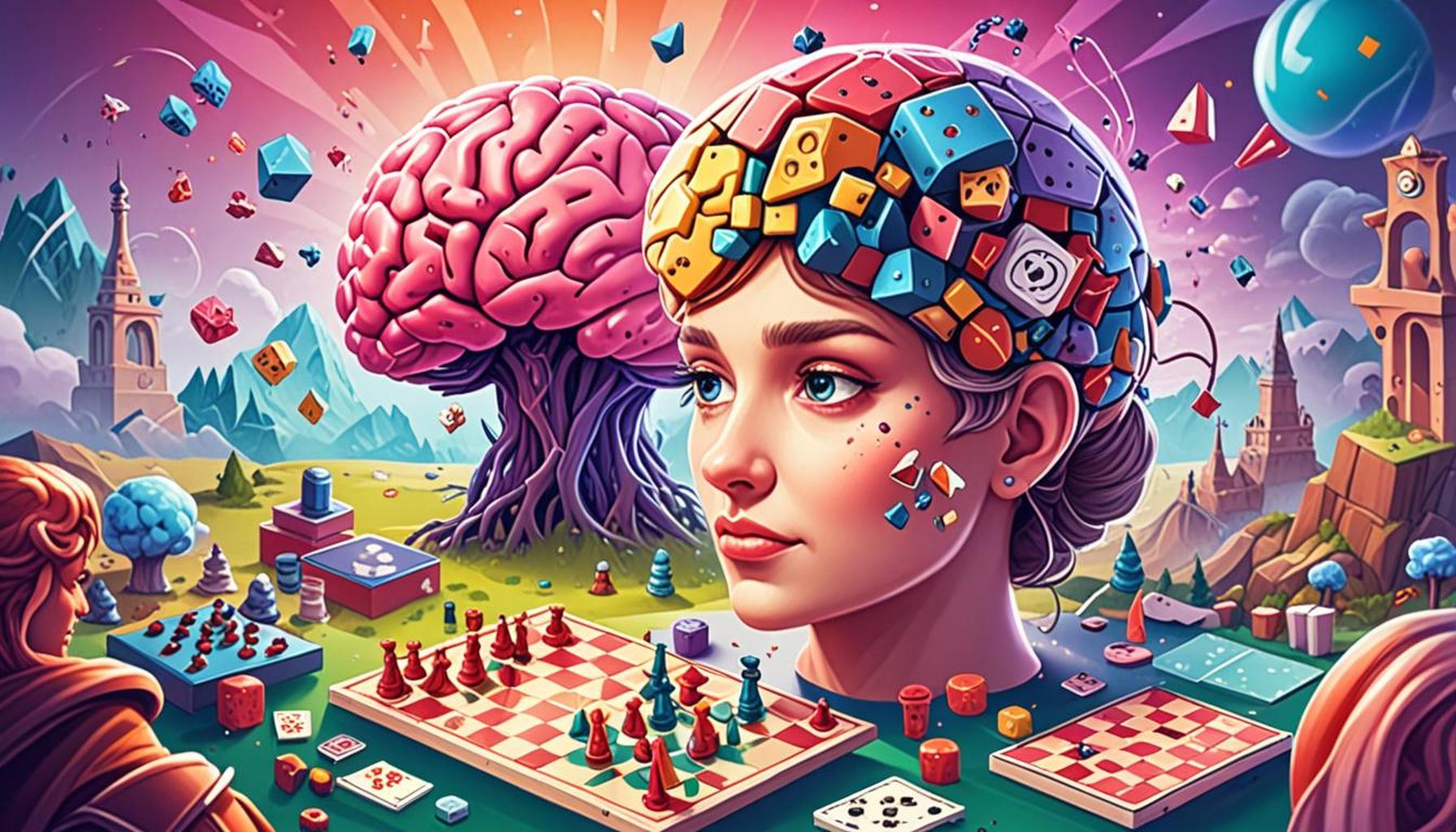
In an increasingly complex world, problem-solving skills are essential for personal and professional success. One effective way to develop these skills is through strategic games, which challenge players to think critically and make decisions under pressure. Engaging in mind games not only enhances cognitive abilities but also fosters a competitive spirit.
The Power of Mind Games
Strategic games and puzzles serve as both entertainment and educational tools. These games offer various benefits, such as:
- Improving critical thinking and decision-making abilities.
- Enhancing memory and information retention.
- Fostering teamwork and communication in multiplayer settings.
As players navigate through challenges, they learn to analyze situations and devise effective strategies, thus sharpening their problem-solving toolkit.
Discover the Top 5 Games
In the following sections, we’ll delve into the top 5 strategic games that can help boost your problem-solving skills. Each game has been selected based on its ability to engage players while developing essential cognitive functions. Get ready to explore the world of strategic play!
DISCOVER MORE: Click here for classic strategy game insights
Top 5: Developing Problem-Solving Skills Through Strategy Games
Strategy games offer more than just captivating entertainment; they serve as powerful tools for enhancing cognitive abilities and sharpening problem-solving skills. These games require players to engage in complex decision-making and strategic thinking, which can transfer to real-world scenarios. In this piece, we will delve into how various categories of strategy games cultivate these skills, counting down from number five to number one, and explore the valuable reasons for delving into these interactive experiences.
5. Strategy Board Games
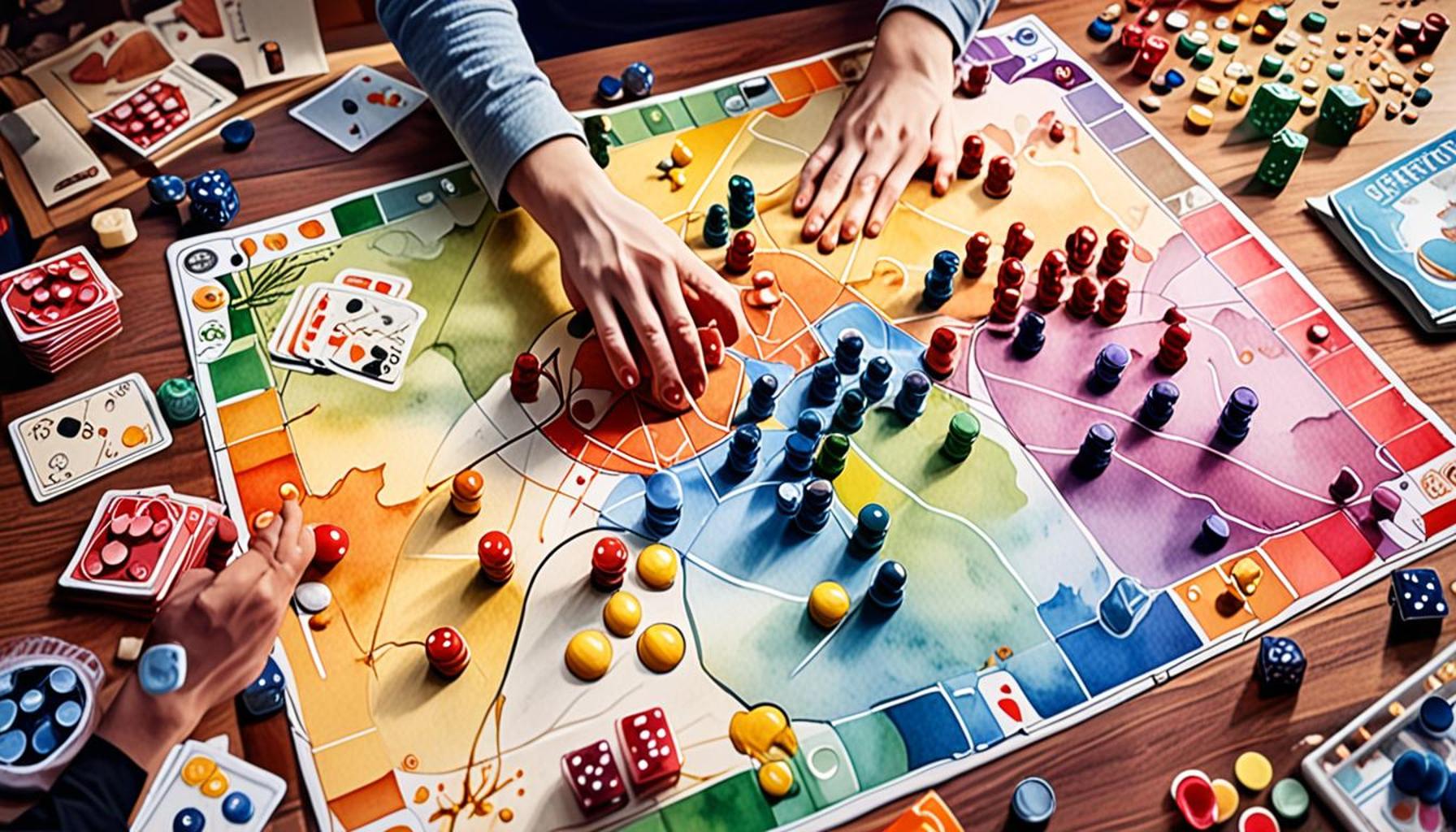
Strategy board games are the classic realm of strategic play, featuring timeless titles such as Chess, Go, and Settlers of Catan. These games demand patience, foresight, and an ability to predict the opponent’s actions. Consider the intricate dance of Chess, where each piece has distinct roles, and players must craft both offensive and defensive strategies to checkmate the opponent.
The true value of these board games lies in fostering cognitive flexibility and critical thinking. Participants are often faced with dynamic scenarios requiring them to analyze multiple outcomes and devise strategies accordingly. With each movement and countermovement, players learn not only to adapt but to strategically plan several moves ahead, enhancing their decision-making skills. Research from the Journal of Play and Learning underscores a notable improvement in these abilities, highlighting how traditional board games can be effective educational tools.
4. Real-Time Strategy (RTS) Video Games
Real-Time Strategy (RTS) video games such as Starcraft and Age of Empires usher players into fast-paced digital environments where swift decision-making is paramount. These games typically involve resource management, unit development, and strategic combat, requiring players to simultaneously handle multiple in-game aspects.
The constant need for swift evaluation and reaction develops multitasking and prioritization capabilities. Players learn to efficiently balance resource allocation, defense, and attack strategies while responding to opponents’ moves. A compelling aspect of RTS games is their capacity to enhance spatial awareness. Research, notably from Computers in Human Behavior, reveals that players can exhibit superior strategic thinking and spatial reasoning compared to non-players, emphasizing the cognitive benefits of such gaming experiences.
3. Puzzle-Based Strategy Games
Puzzle-based strategy games like Portal and The Witness invite players to solve intricate puzzles, blending storytelling with challenges that require innovative problem-solving. These games often necessitate a creative approach, encouraging players to think beyond conventional methods to progress.
The nature of puzzle-solving within these games fosters perseverance and adaptability. Players frequently encounter complex challenges, cultivating resilience as they learn through trial and error. According to an extensive survey conducted by the Game Developers Association, approximately 90% of players reported enhanced critical thinking abilities after engaging with such games. This suggests that the iterative challenge-solving promotes a mindset beneficial in facing real-world obstacles.
2. Turn-Based Strategy (TBS) Games
Turn-Based Strategy (TBS) games, including XCOM and Fire Emblem, emphasize a calculated approach where players must carefully plan each action, weighing potential risks and advantages. This methodical gameplay encourages a deliberate consideration of multiple possibilities before making a move.
The strategic depth of TBS games forces players to engage in complex decision-making, often involving difficult dilemmas that test their judgment. For instance, choosing between defending zones or advancing an assault can significantly impact the game’s outcome. Data from the American Psychological Association suggests that engaging in TBS games enhances players’ ability to generate and evaluate solutions quickly. This improves not only in-game performance but also problem-solving skills applicable to daily life.
1. Comprehensive Strategy Games
At the top of our list are comprehensive strategy games like Civilization and Total War. These games combine elements from all previous categories, offering expansive experiences that integrate long-term strategic planning, resource management, diplomacy, and warfare.
Players navigate through complex scenarios, making decisions that affect game progress over extended periods. This nurtures an ability to think long term and adapt strategies to changing circumstances. Additionally, comprehensive strategy games often involve multiplayer interactions, fostering collaboration and negotiation skills that enhance social intelligence alongside strategic abilities.
The multifaceted nature of these games, supported by studies, evidences a significant improvement in problem-solving skills, creativity, and teamwork among participants. Players learn the importance of considering long-term consequences and the value of strategic flexibility, skills valuable in both personal and professional spheres.
In conclusion, strategy games provide a stimulating platform for developing problem-solving skills. From traditional board games that encourage foresight and patient maneuvering to complex video game experiences that engage multiple cognitive processes, each genre presents a unique opportunity for mental enrichment. Whether engaging in serious or casual gameplay, the power of strategy games lies in their ability to elevate problem-solving abilities, making them a beneficial facet of cognitive development.
| Category | Detailed Information |
|---|---|
| Cognitive Development | Games of strategy engage various cognitive processes, enhancing critical thinking, analytical skills, and problem-solving abilities. As players navigate complex challenges, they practice evaluating different scenarios and outcomes, fostering a mindset of inquiry and exploration. |
| Team Collaboration | Many strategy games are designed for team play, emphasizing the importance of communication and collaboration. Players learn to articulate their ideas, listen to others, and work collectively towards achieving a common goal, which can translate into improved teamwork skills in real-world contexts. |
| Real-World Application | The skills acquired through strategic gaming are not confined to the screen; they have tangible applications in fields such as business management, engineering, and military strategy. Players often find themselves better equipped to tackle real-life challenges, making sound decisions under pressure. |
| Emotional Resilience | Engaging in games that involve strategy requires players to face failures and setbacks. This builds emotional resilience as players learn to cope with frustration and develop strategies to overcome obstacles. Such experiences can enhance one’s capacity to handle stress and maintain focus in adverse situations. |
DIVE DEEPER: Click here to challenge your mind
Frequently Asked Questions About Developing Problem-Solving Skills Through Strategy Games
How do strategy games contribute to enhancing problem-solving skills?
Strategy games are excellent tools for developing problem-solving skills as they require players to plan, analyze, and make decisions. These games challenge players to consider multiple solutions to a problem, foresee potential obstacles, and adjust strategies in real-time. Through this process, players enhance their ability to think critically and logically, making strategic decisions based on available data and predictions.
Can playing strategy games improve cognitive functions beyond problem-solving?
Yes, strategy games can extend benefits beyond problem-solving. They often demand focus, memory, and attention to detail. Engaging with these games regularly can lead to improvements in memory retention, spatial awareness, and even multitasking abilities. Moreover, many strategy games require players to work under time constraints, which can improve their ability to make quick and effective decisions.
Are there specific types of strategy games that are better suited for developing problem-solving skills?
While many strategy games can enhance problem-solving skills, games that involve complex scenarios and require in-depth planning, such as chess, Civ-like games, and real-time strategy (RTS) games, are particularly effective. These games often present players with scenarios that mimic real-life decision-making, demanding players to balance resources, predict opponents’ moves, and adjust their strategies on the fly. The intricate challenges and detailed planning involved in these games make them ideal for those looking to sharpen their analytical skills.
Do strategy games offer psychological benefits besides cognitive skill enhancement?
Indeed, strategy games can provide various psychological benefits. They can help boost confidence as players overcome challenges and achieve their gameplay objectives. They also offer a stress-free environment for failure and learning, allowing players to test strategies and redraw plans without real-life consequences. Additionally, many multiplayer strategy games foster a sense of community and teamwork, which can be beneficial for building social skills and enhancing collaboration.
DISCOVER MORE: Click here for quick tips
Conclusion
In unraveling the intricate connection between strategic games and problem-solving skills, we delve into a world where entertainment and cognitive development beautifully intertwine. Through a detailed exploration, this article has highlighted how engaging with strategy games can significantly enhance one’s problem-solving abilities by promoting critical thinking, adaptability, planning, and decision-making capabilities.
Firstly, these games provide a dynamic platform for developing critical thinking, enabling players to analyze situations and anticipate potential outcomes. Secondly, adaptability is fostered as gamers are often required to adjust their strategies in response to unforeseen challenges, mirroring real-life scenarios. Moreover, the art of planning is continuously honed, as each move in these games demands careful consideration of both immediate and future impacts. Additionally, decision-making skills are refined as players learn to weigh options and make informed choices under pressure.
The synthesis of these skills within the realm of strategy games presents a compelling argument for their role in educational frameworks and personal development strategies. As we dive deeper into this fascinating intersection of play and learning, it becomes increasingly evident that mind games are not mere distractions but powerful tools that equip individuals with essential life skills.
In embracing strategy games, one opens the door to a world of possibilities where critical problem-solving skills are cultivated and nurtured. With continued exploration, these games could potentially revolutionize educational methods and personal growth strategies, offering an innovative pathway to mastering the complexities of life. As a parting thought, consider how incorporating such games into daily routines might not only provide entertainment but also prepare one to tackle real-world challenges with enhanced confidence and precision.