Exploring the Role of Puzzles in Enhancing Problem-Solving Skills
The Cognitive Benefits of Puzzles
Puzzles have long been a source of entertainment, but their benefits extend far beyond mere amusement. They serve as powerful tools that can enhance our problem-solving skills in numerous ways. Engaging with puzzles involves a variety of cognitive processes that challenge and develop our intellectual capabilities.
One significant aspect of puzzle-solving is analytical thinking. This skill is crucial for breaking down complex problems into manageable parts. For instance, when faced with a challenging logic puzzle, one must carefully dissect the information presented. This skill is transferable to real-life situations, such as analyzing a business problem where multiple factors are at play, helping individuals arrive at effective solutions efficiently.
Pattern recognition is another cognitive process that puzzles help to refine. This skill involves identifying trends or anomalies to find solutions. Take, for example, a game of Sudoku. As players engage with numbers on a grid, they begin to observe relationships between numbers, understanding where numbers can or cannot fit. This aptitude can be beneficial in various fields such as data analysis, stock trading, and even crime scene investigation, where recognizing patterns can lead to critical insights.
Critical reasoning is yet another cognitive ability sharpened through puzzles. Evaluating options and making informed decisions are commonplace in everyday life. For example, navigating a complex crossword puzzle requires you to weigh multiple interpretations of clues until the correct answer emerges. This process mirrors decision-making in professional settings where one must consider multiple viewpoints before arriving at a conclusion.
Research indicates that individuals who regularly tackle puzzles demonstrate improved mental flexibility and creativity. A study published in the journal “Intelligence” noted that engaging in mentally stimulating activities is associated with better cognitive health. These skills not only benefit personal growth but are also essential in professional environments where problem-solving is paramount. In careers such as engineering, medicine, or business management, the ability to think critically and adapt to new information can make a significant difference.
Moreover, various types of puzzles—such as crosswords, sudoku, and logic games—offer unique challenges that cater to different cognitive strengths. This diversity allows individuals to select puzzles that resonate with their interests, making the learning experience both engaging and productive. For instance, a person interested in language may find joy in a crossword puzzle, whereas someone who enjoys numbers may prefer Sudoku.
As we delve deeper into the world of puzzles, we will uncover their profound impact on enhancing critical thinking abilities and explore their effectiveness in everyday problem-solving scenarios. Whether you are at home, in the office, or even driving, puzzles presents opportunities to hone your skills while providing a delightful distraction from daily stressors. Embracing puzzles not only enriches our leisure time but also cultivates mental acuity essential for tackling life’s various challenges.
DIVE DEEPER: Click here to uncover the evolution of logic puzzles
Unraveling Cognitive Skills Through Puzzles
The benefits of solving puzzles go beyond mere enjoyment; they are instrumental in enhancing various cognitive skills that are vital for effective problem-solving. By engaging with puzzles, one can develop skills such as executive function, spatial reasoning, and working memory, each contributing to a well-rounded mental toolkit essential for navigating everyday challenges.
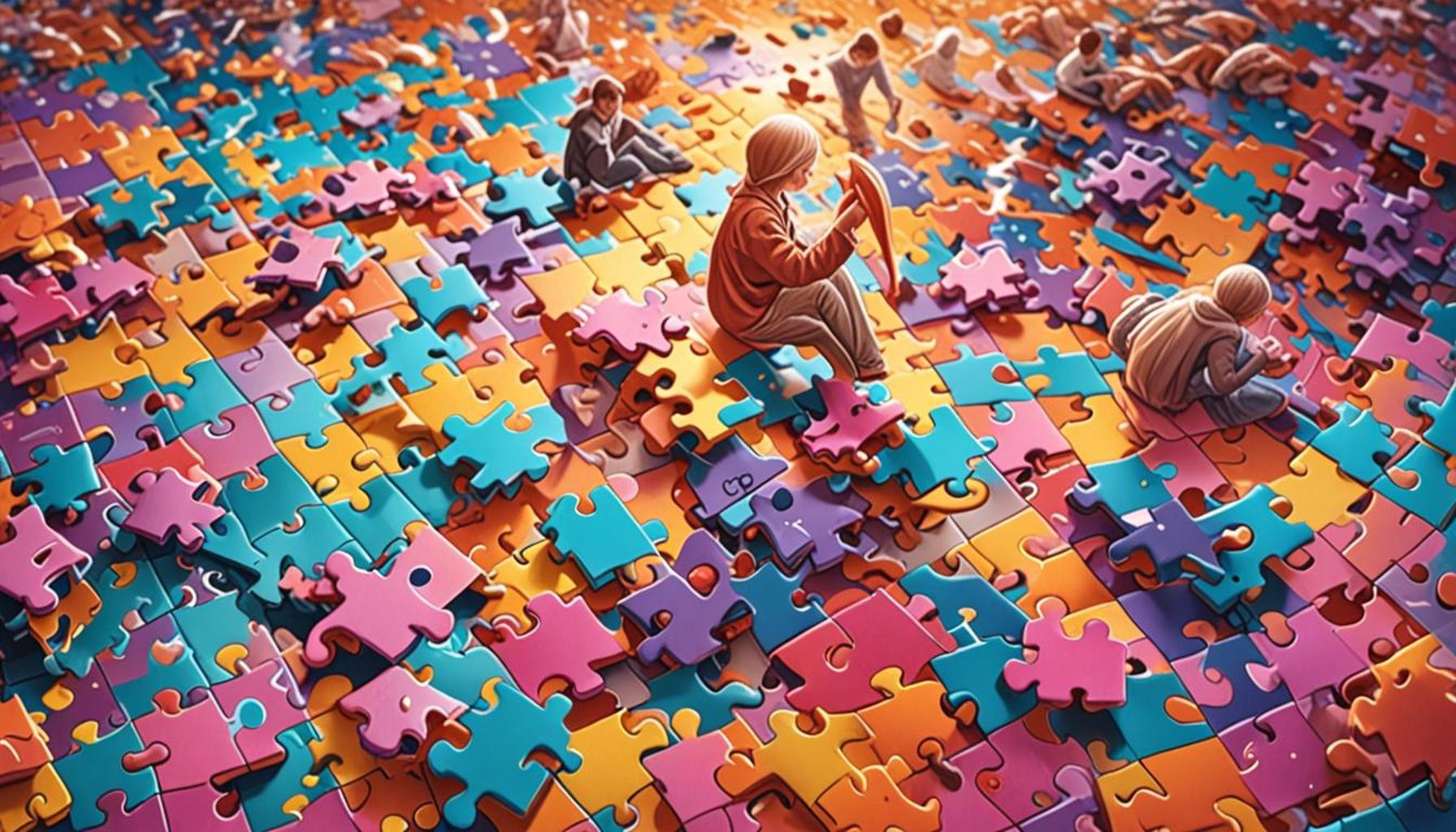
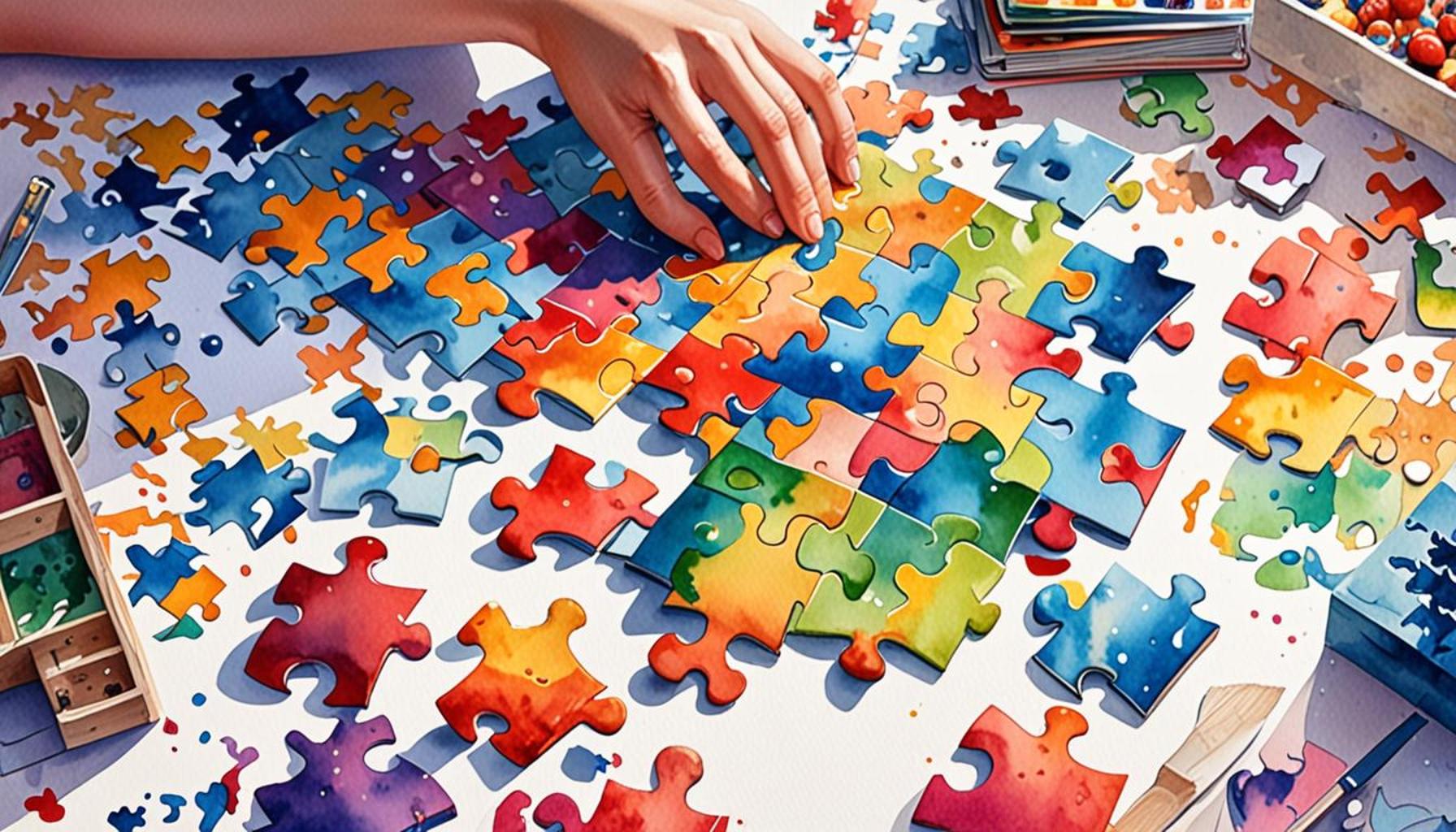
Executive function encompasses a range of mental processes used in planning, focus, and multitasking. Puzzles, particularly those requiring strategic thinking such as chess or complex jigsaw puzzles, challenge our ability to formulate plans and adapt strategies as new information emerges. For instance, a player may start by identifying corner pieces in a jigsaw puzzle, progressing to create the border, and finally filling in the interior sections. This step-by-step approach mirrors the planning and organizational skills required in projects at work, where deadlines and shifting priorities often demand flexibility and foresight.
Spatial reasoning is another critical skill honed through puzzle engagement. This ability involves envisioning and manipulating objects in a three-dimensional space, making it invaluable in fields such as architecture, engineering, and robotics. Puzzles that involve building or assembling components, such as Tetris or 3D puzzles, foster a greater understanding of how different pieces fit together. The competence gained from these activities can help individuals visualize solutions to problems that require an understanding of spatial relationships, from arranging furniture in a room to optimizing a manufacturing workflow.
Moreover, puzzles significantly strengthen our working memory, a cognitive resource responsible for temporarily holding and managing information. Engaging in activities like memory games or word puzzles forces individuals to keep track of numerous elements at once, enhancing their ability to process information efficiently. A classic example is the game of Simon, which challenges players to remember sequences of colors and sounds. Such exercises translate effectively into many real-world applications, such as learning new software, remembering instructions, or even multitasking in a dynamic workplace environment.
- Executive Function: Enhances planning and strategic thinking.
- Spatial Reasoning: Improves visualization and manipulation of objects.
- Working Memory: Aids in processing and retaining information.
The versatility of puzzles found in everyday settings allows individuals to explore and improve these cognitive skills in a variety of ways. Whether selecting a 1,000-piece puzzle for a quiet evening at home or engaging in an interactive escape room with friends, the stimulating nature of these activities cultivates an environment conducive to learning and growth. As we continue to explore the impact of puzzles on enhancing problem-solving skills, it becomes increasingly apparent that they provide unique opportunities to stretch our mental boundaries in a fun, engaging manner.
Exploring the Cognitive Benefits of Puzzles
Puzzles have long been celebrated not only for their entertainment value but also for their cognitive advantages. Engaging with various types of puzzles, such as crosswords, jigsaws, or Sudoku, encourages critical thinking and enhances mental agility. When individuals face challenges within these puzzles, they develop strategies to approach problems methodically, which translates to real-life scenarios. For instance, research indicates that regular puzzle solvers often demonstrate improved memory retention and heightened analytical skills.Moreover, puzzles require a level of focus and concentration that can foster a stronger sense of persistence. When attempting to solve a difficult puzzle, individuals learn to remain calm, analyze patterns, and experiment with different approaches until they find a solution. This process mirrors essential problem-solving techniques used in everyday life and professional settings.The social aspect of puzzles is also noteworthy. Working collaboratively on a puzzle can enhance communication skills and encourage teamwork, vital components in developing strong problem-solving abilities. In educational environments, incorporating puzzles into the curriculum can provide students with a fun and interactive way to practice these crucial skills.Encouraging puzzle-solving activities in various forms can lead to long-lasting effects on an individual’s cognitive development. These experiences allow for greater flexibility in thinking, adaptability in challenges, and the creativity needed to approach complex issues—essential traits in today’s fast-paced world. To further illustrate the powerful impact of puzzles on developing problem-solving skills, the following table explores the various advantages associated with puzzle-solving.
| Category | Advantages |
|---|---|
| Cognitive Development | Enhances critical thinking and analytical skills. |
| Social Interaction | Fosters teamwork and communication skills. |
| Persistence | Encourages calmness and strategic thinking in challenges. |
With these compelling benefits, it’s clear that embracing puzzles can lead to a comprehensive enhancement of problem-solving skills across various domains. The intriguing world of puzzles not only entertains but also equips individuals with the tools necessary for navigating life’s challenges more effectively.
DISCOVER MORE: Click here to learn about boosting kids’ cognitive growth
The Social and Emotional Dimensions of Puzzle Solving
While cognitive benefits are undoubtedly significant, puzzles also contribute substantially to our social and emotional well-being, further enhancing our problem-solving abilities. Engaging in puzzle-related activities creates opportunities for collaboration, communication, and even competition, all of which cultivate critical interpersonal skills. Whether in the form of board games, collaborative jigsaw puzzles, or team escape room challenges, the social aspects of puzzles cannot be overlooked.
Working together on a complex puzzle fosters teamwork and enhances communication skills. As individuals discuss strategies for piecing together the jigsaw complexities, they learn to articulate their thoughts clearly and listen actively to others. A particularly interesting example is seen in community puzzle competitions, where diverse groups gather to compete against time and each other. Such settings encourage participants to share ideas, devise collective strategies, and ultimately realize that collaborative problem-solving often leads to more effective outcomes than solitary efforts.
Additionally, the social interaction intrinsic to puzzle-solving activities promotes mental health and emotional resilience. As researchers suggest, participating in enjoyable, engaging challenges contributes to stress relief and boosts mood. For example, seniors participating in community puzzle clubs report not only improved mental agility but also enhanced social connections that reduce feelings of isolation. This social integration plays a crucial role in maintaining cognitive health as we age, proving that the benefits of puzzles extend well beyond the brain.
The Impact of Digital Puzzles and Gamification
The rise of digital puzzles and mobile gaming applications further revolutionizes the puzzle-solving landscape. These platforms frequently incorporate elements of gamification, which not only entertain but also challenge players to think critically, adapt strategies, and solve problems in dynamic environments. For instance, popular mobile games like 2048 and Monument Valley entice players with visually appealing graphics and intriguing mechanics while honing their problem-solving skills through progressive difficulty levels.
Moreover, the immediacy of digital platforms allows for instant feedback, a crucial aspect of learning. Players can identify mistakes quickly and adapt their strategies accordingly, promoting a growth mindset. This real-time learning environment encourages individuals to view challenges as opportunities for improvement rather than insurmountable obstacles. The potential for competition, such as achieving high scores or completing tasks within a time limit, further enhances motivation and engagement.
- Teamwork: Cultivates communication and cooperative problem-solving.
- Emotional Well-being: Reduces stress and fosters social connections.
- Digital Engagement: Facilitates adaptive learning through gamified experiences.
As we delve deeper into the multifaceted world of puzzles, it becomes evident that their contribution to enhancing problem-solving skills spans not only cognitive development but also the social and emotional realms. From rousing competitions to collaborative community efforts, puzzles serve as a unique medium for personal growth, learning, and healthy social interaction, illustrating their vital role in cultivating a well-rounded set of problem-solving capabilities.
DISCOVER MORE: Click here to dive deeper
Conclusion: The Multifaceted Benefits of Puzzles in Problem-Solving
In conclusion, the exploration of puzzles reveals a rich tapestry of benefits that extend far beyond mere entertainment. From sharpening cognitive abilities to fostering emotional resilience and social connections, puzzles play a pivotal role in enhancing problem-solving skills. The blend of strategic thinking, creativity, and teamwork demanded by various puzzle formats—from traditional jigsaw puzzles to innovative digital gaming experiences—encourages individuals to approach challenges with a dynamic and adaptable mindset.
The social interactions fostered through collaborative puzzle-solving enhance interpersonal skills that are crucial in both personal and professional settings. Additionally, evidence suggests that engaging in these activities can mitigate stress and combat feelings of isolation, particularly among vulnerable populations such as seniors. This aspect underscores the importance of community engagement through puzzles as a means of supporting mental health.
With technological advancements giving rise to gamified puzzle applications, the accessibility and appeal of puzzles continue to grow, inviting more individuals to partake in this enriching experience. As they enjoy the thrill of digital challenges, players not only enhance their problem-solving abilities but also cultivate a positive attitude towards learning, viewing each setback as a stepping stone to improvement.
Ultimately, puzzles offer a delightful and effective avenue for skill development, social interaction, and emotional well-being. As we continue to embrace the puzzle phenomenon, we discover new ways to enhance our capacities for problem-solving, ensuring that we are well-equipped to tackle the challenges of an increasingly complex world.