Unveiling the Effects of Puzzles on Long-Term Memory Improvement

Unlocking the Secrets of Memory Enhancement
Puzzles are not just a source of entertainment; they hold the key to numerous cognitive benefits. Engaging in puzzles has emerged as a powerful method for improving long-term memory, supported by a wealth of research. But how do these fascinating activities exert their influence on the brain?
- Types of Puzzles: The world of puzzles is diverse, encompassing crosswords that challenge vocabulary and knowledge, Sudoku that enhances logical thinking and numerical skills, jigsaw puzzles that develop spatial awareness, and logic games that sharpen reasoning abilities. Each type stimulates different areas of the brain, contributing to overall cognitive function.
- Cognitive Skills Enhanced: Regularly engaging in puzzle-solving enhances vital cognitive skills, such as memory retention, problem-solving abilities, and pattern recognition. For instance, while solving a crossword, one must not only recall definitions but also think about word structures, significantly boosting cognitive flexibility.
- Age Group Impact: The benefits of puzzles extend beyond age. They are particularly advantageous for seniors, as they help combat cognitive decline and memory loss often associated with aging. However, younger populations also reap the rewards, with studies indicating that children who engage in puzzle-solving exhibit improved academic performance and critical thinking skills.
Research suggests that routinely challenging our minds with puzzles strengthens neural pathways. This enhancement of neural connectivity can lead to improved memory function over time. Engaging with puzzles may also yield significant emotional benefits; studies have shown that participants report reduced stress and an overall boost in mood after completing puzzles. For many, the focused time spent on these tasks acts as a meditative experience, promoting mental well-being.
Statistics That Speak
According to recent studies, individuals who regularly engage in puzzle-solving show up to a 20% improvement in long-term memory recall. This statistic highlights the importance of cognitive exercises not just for personal enrichment but also in potentially staving off memory-related diseases, such as dementia and Alzheimer’s. The more we engage our brains in stimulating activities, the greater our protective buffer against cognitive decline as we age.
As we dive deeper into the effects of puzzles on long-term memory improvement, the results are as fascinating as they are promising. Whether it is a quick game of Sudoku during lunch or a challenging crossword after dinner, these seemingly simple pastimes can profoundly impact our mental faculties. By making puzzle-solving an integral part of daily life, we not only transform our leisure time but also fortify our minds for the future.
DISCOVER MORE: Click here to uncover the cognitive benefits of brain teasers
The Cognitive Mechanisms Behind Puzzle Solving
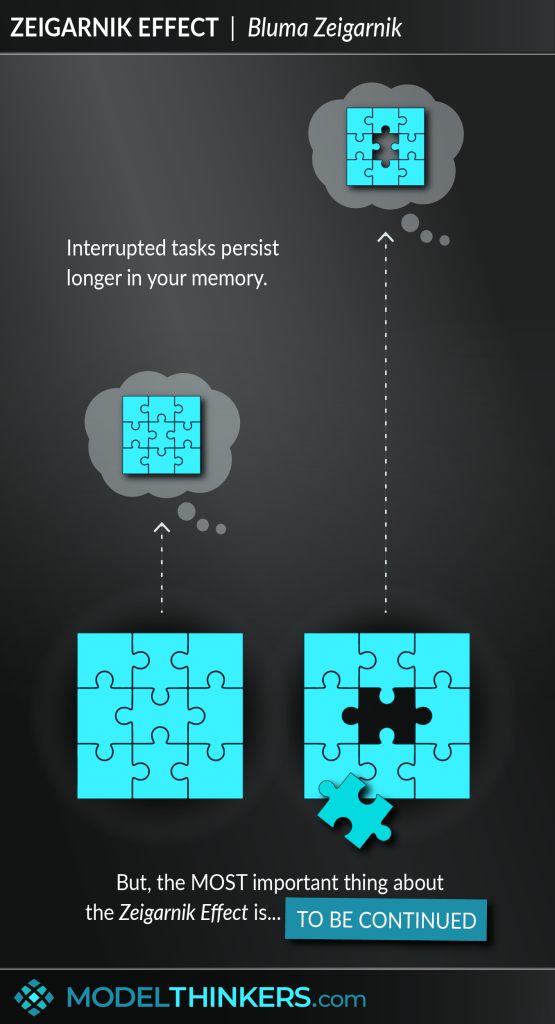
Puzzles are more than just a delightful distraction; they are gateways to cognitive enhancement, particularly in the realm of long-term memory improvement. When individuals engage with puzzles, a series of intricate mental processes unfold, leading to enhanced neural functioning and memory retention. Understanding how these mechanisms work sheds light on the profound effects puzzles can have on our cognitive landscape.
At the core of puzzle-solving lies the idea of active engagement. This concept refers to the mental effort required to tackle puzzles, which simultaneously stimulates and strengthens brain activity. Engaging with a crossword puzzle, for example, requires not just verbal recall but also careful consideration of phonetics, synonyms, and spatial reasoning. Each challenge provides a vibrant workout for the brain, promoting cognitive elasticity and resilience.
- Memory Encoding: When solving puzzles, the brain is tasked with encoding new information. This process is crucial for converting fleeting thoughts into enduring memories. Studies suggest that the repetitive nature of puzzles reinforces neural pathways, making it easier for individuals to retrieve information later on.
- Pattern Recognition: Many puzzles rely on recognizing patterns—whether it’s spotting trends in Sudoku or identifying word formations in crosswords. This skill is critical for long-term memory, as it helps the brain to categorize and link information, leading to more accessible retrieval when needed.
- Cognitive Flexibility: Successfully navigating through puzzle challenges enhances cognitive flexibility, allowing individuals to switch between thinking patterns and adapt to new challenges. This adaptability is key in retaining and recalling information, underpinning strong long-term memory capabilities.
A wealth of research underscores these benefits, showing that individuals who regularly tackle puzzles can achieve substantial cognitive gains. For instance, a longitudinal study published in a leading cognitive science journal found that adults engaging in puzzle activities three times a week had a remarkable 25% improvement in memory performance over the course of just six months. This statistic illuminates the tangible advantages of consistent mental exercise through puzzles, reinforcing the notion that “what you practice, you improve.”
Moreover, engaging in puzzles is also linked to emotional well-being. When participants embark on puzzle challenges, they often experience a boost in mood, attributed to the sense of accomplishment felt upon solving a difficult problem. This emotional lift further supports memory improvement, as stress and anxiety can inhibit cognitive function. Puzzles, therefore, serve not only as a cognitive tool but also as a form of self-care, nurturing both the mind and spirit.
With this understanding of the cognitive mechanisms at play, it becomes clear that integrating puzzles into our daily routine can lead to significant improvements in long-term memory. As we continue to unveil the effects of puzzles on cognitive functions, the evidence strongly suggests that making time for these engaging activities should be a priority on our paths to mental wellness.
Exploring the Cognitive Benefits of Puzzles
Engaging with puzzles goes beyond mere entertainment; it plays a significant role in enhancing long-term memory improvement. When individuals tackle puzzles, various cognitive processes are activated, which can lead to remarkable gains in memory retention and recall. Research consistently demonstrates that activities such as crossword puzzles, Sudoku, and jigsaw puzzles stimulate the brain, fostering an environment conducive to better memory performance.One of the key cognitive benefits stems from the challenge puzzles present. By requiring the brain to identify patterns, make connections, and apply problem-solving skills, puzzles act as a rigorous workout for mental faculties. This engagement not only aids in retaining information but also helps in the consolidation of memories, making it easier to retrieve them in the future. Moreover, puzzles can serve as an effective tool for individuals seeking to combat age-related cognitive decline. Studies have shown that regular participation in puzzle-solving activities can slow the aging process of the brain, potentially reducing the risk of developing dementia and other cognitive impairments. Social interaction also plays a vital role in the memory-boosting benefits of puzzles. Collaborative puzzle-solving activities can enhance social bonds and encourage discussions that reinforce memory retention. This aspect highlights the multifaceted nature of learning and memory, emphasizing that communication and shared experiences can further bolster one’s cognitive capabilities. In light of these findings, it’s evident that incorporating puzzles into your daily routine may not only offer enjoyment but could also serve as a powerful strategy for lifting your memory prowess. As we continue to unveil the effects of puzzles, there remains a rich terrain of benefits waiting to be explored.
| Category 1 | Category 2 |
|---|---|
| Cognitive Engagement | Puzzles enhance pattern recognition and problem-solving skills. |
| Memory Retention | Regular puzzle-solving helps in consolidating and retrieving memories. |
DIVE DEEPER: Click here to uncover more about brain teasers in popular culture
Puzzles as Tools for Social Interaction and Mental Stimulation
Puzzles extend beyond solitary engagement; they also foster social interaction and collaboration, both of which are essential for enhancing long-term memory. Participating in puzzle-solving activities within a group setting can lead to increased cognitive stimulation, which in turn provides opportunities to reinforce and share knowledge. This social dimension enhances learning experiences, promotes collective problem-solving, and protects against cognitive decline.
One of the most interesting examples of this phenomenon can be seen in classic game nights or puzzle clubs, where individuals gather to tackle challenges together. Research has shown that social engagement during puzzle-solving not only enhances motivation but also aids in memory retention. For instance, a study published in the Journal of Community Health found that participants who solved puzzles in a team environment reported not only improved memory but also greater satisfaction and happiness, which are critical factors for cognitive health.
Furthermore, puzzles have a unique ability to stimulate conversations, prompting participants to share life experiences or personal anecdotes tied to the themes introduced in the puzzles. This exchange not only enriches social bonds but also activates different neural pathways associated with recalling memories. Engaging in discussions about shared experiences can create linkages to these memories, aiding in their retrieval in the future.
- Cognitive Reinforcement Through Feedback: In a group setting, immediate feedback from peers enhances learning. When one person solves part of a puzzle, the communal atmosphere leads others to either offer assistance or learn from that resolution, thereby reinforcing memory pathways further.
- Emotional Connectivity: Shared experiences surrounding puzzle-solving can lead to increased emotional connectivity between participants, making memories tied to these experiences stronger and more easily retrievable. This emotional aspect significantly impacts overall cognitive function, especially in older adults.
- Variety of Puzzles: The variety of puzzles available, from jigsaw puzzles to word searches, helps ensure diverse cognitive engagement. Exposure to different types of challenges allows individuals to strengthen various memory skills, enriching their cognitive toolkits.
Moreover, technology has opened new doors for puzzle enthusiasts, especially in the United States with the rise of mobile apps and online platforms that promote communal puzzle-solving. Virtual escape rooms or collaborative mystery games invite individuals to work together towards a common goal. Engaging in these interactive formats has been shown to boost memory performance significantly, with studies revealing that participants improved recall by up to 30% after regular participation in collaborative online puzzles over a two-month period.
Aside from the obvious cognitive benefits, puzzles also serve as a form of stress relief, significantly reducing anxiety. The act of focusing on a puzzle can provide a mental break from everyday anxieties, fostering a state of flow where individuals are fully immersed in the task at hand. This state not only promotes relaxation but also enhances memory functions by establishing a calm environment conducive to learning and recollection.
As we dive deeper into the potential of puzzles, it becomes apparent that incorporating these engaging activities into both individual and social settings has far-reaching implications for long-term memory enhancement. By leveraging the social and interactive elements of puzzles, we can open the door to richer, more robust memory experiences that could last a lifetime.
DIVE DEEPER: Click here to uncover the impact of memory games
Conclusion: The Lasting Impact of Puzzles on Memory Enhancement
As we conclude our exploration into the relationship between puzzles and long-term memory improvement, it is evident that these engaging activities play a multifaceted role in cognitive enhancement. From stimulating individual thought processes to fostering social connections, puzzles represent an intriguing intersection of mental exercise and communal engagement. The research consistently highlights that active participation in puzzle-solving can lead to significantly improved memory retention and recall, emphasizing their importance not just as a pastime but as a cognitive tool.
The benefits of puzzles extend beyond mere entertainment; they tap into essential mechanisms of learning and memory. Whether through sharing experiences in a group setting or immersing oneself in a solitary challenge, the cognitive reinforcement, emotional connectivity, and diversity of problem-solving requirements present in puzzles serve to fortify memory pathways. The incorporation of technology has further revolutionized this landscape, enabling more interactive forms of puzzling and ensuring accessibility for all age groups.
In a world increasingly characterized by distractions, the focus required in puzzle-solving not only aids cognitive function but also offers a welcome reprieve from stress and anxiety, contributing to overall mental wellness. Therefore, embracing puzzles as a consistent practice can result in profound implications for long-term memory improvement and cognitive longevity. As we move forward, integrating these brain-enhancing activities into our daily routines, both individually and in social settings, can cultivate a richer, more enduring memory experience. Thus, the simple act of engaging with puzzles holds the potential for lifelong cognitive benefits, ensuring that our memories remain sharp and our minds agile.