Menu

The Science Behind Memory Games: How They Enhance the Brain

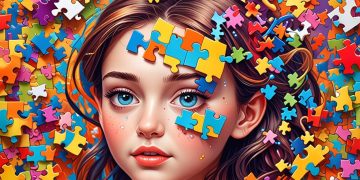
Memory games are not just entertaining; they are effective tools for enhancing cognitive function and brain health. Through neuroplasticity, they improve short-term memory, focus, and problem-solving skills. Incorporating these games into daily routines fosters cognitive engagement, emotional well-being, and lifelong learning, making them invaluable for all ages.

Memory and Music: How Melodies Can Enhance Learning in Games

Recent studies highlight how melodies significantly enhance memory retention and cognitive abilities in educational gaming. Music serves as a powerful mnemonic device, fosters emotional engagement, and creates immersive learning experiences. By integrating soundtracks thoughtfully, developers can transform learning into an enjoyable journey that effectively captivates and educates players.

The Effect of Puzzle Games on Emotional Memory: Connecting Feelings and Memories

Puzzle games engage players emotionally, enhancing their emotional memory by linking feelings to past experiences. The interplay of challenge, achievement, and nostalgia fosters connections between emotions and memories, while social interactions deepen these ties. Ultimately, puzzle gaming serves as a unique platform for exploration and understanding of our emotional narratives.

Memory Techniques through Games: Strategies to Improve Information Retention

Discover how engaging with games can significantly enhance memory retention. By leveraging cognitive techniques such as active recall and spaced learning, players improve information retention while enjoying the process. From puzzles to interactive apps, utilizing gaming strategies creates effective and enjoyable avenues for mastering new skills and knowledge.

The Relationship between Puzzles and the Improvement of Auditory Memory: Exercising the Senses

Engaging in puzzles can significantly enhance auditory memory by stimulating cognitive functions through multi-sensory challenges. Activities like word games and auditory puzzles foster active listening, improve focus, and promote memory retention, making them effective tools for exercising the senses and boosting overall cognitive health.

Digital Puzzles: The New Frontier for Memory Training in the Elderly

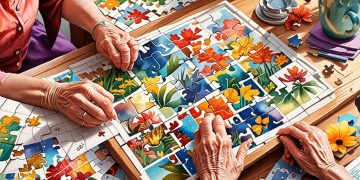
Digital puzzles are emerging as a powerful tool for enhancing memory training in the elderly. These engaging platforms stimulate cognitive functions, improve problem-solving skills, and foster social connections, all while providing enjoyable mental exercise. As technology advances, integrating digital puzzles into daily routines can significantly support cognitive health and well-being in aging populations.

The Role of Augmented Reality Games in Enhancing Visual Memory

Augmented reality games are transforming cognitive enhancement, particularly visual memory. By blending real-world settings with interactive gaming, they foster deeper cognitive engagement, improve spatial awareness, and encourage teamwork. These immersive experiences enhance retention and recall, offering innovative applications in education, therapy, and professional training for visual memory development.

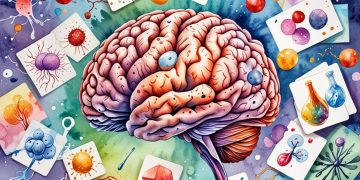
Word Games as Tools for Cognitive Stimulation: Enhancing Verbal Memory

Word games provide essential cognitive stimulation, enhancing verbal memory and mental agility. These engaging activities improve vocabulary, promote social interaction, and foster problem-solving skills. By incorporating word games into daily routines, individuals can enjoy significant cognitive benefits while maintaining mental wellness and promoting connections with others.

Mathematical Puzzles: Challenging Numerical Memory and Logical Reasoning

Mathematical puzzles engage individuals by enhancing numerical memory and logical reasoning skills. They foster critical thinking, creativity, and persistence while providing both entertainment and educational value. This captivating blend nurtures problem-solving abilities and strengthens social connections, making mathematical challenges an essential aspect of learning and mental development.

Physical vs. Digital Puzzles: Which Better Stimulates Memory and Creativity?

This article explores the cognitive benefits of physical and digital puzzles, highlighting how each format enhances memory and creativity. While physical puzzles promote tactile engagement and social interaction, digital puzzles offer convenience and interactive features. Balancing both types can optimize cognitive development and stimulate mental agility.