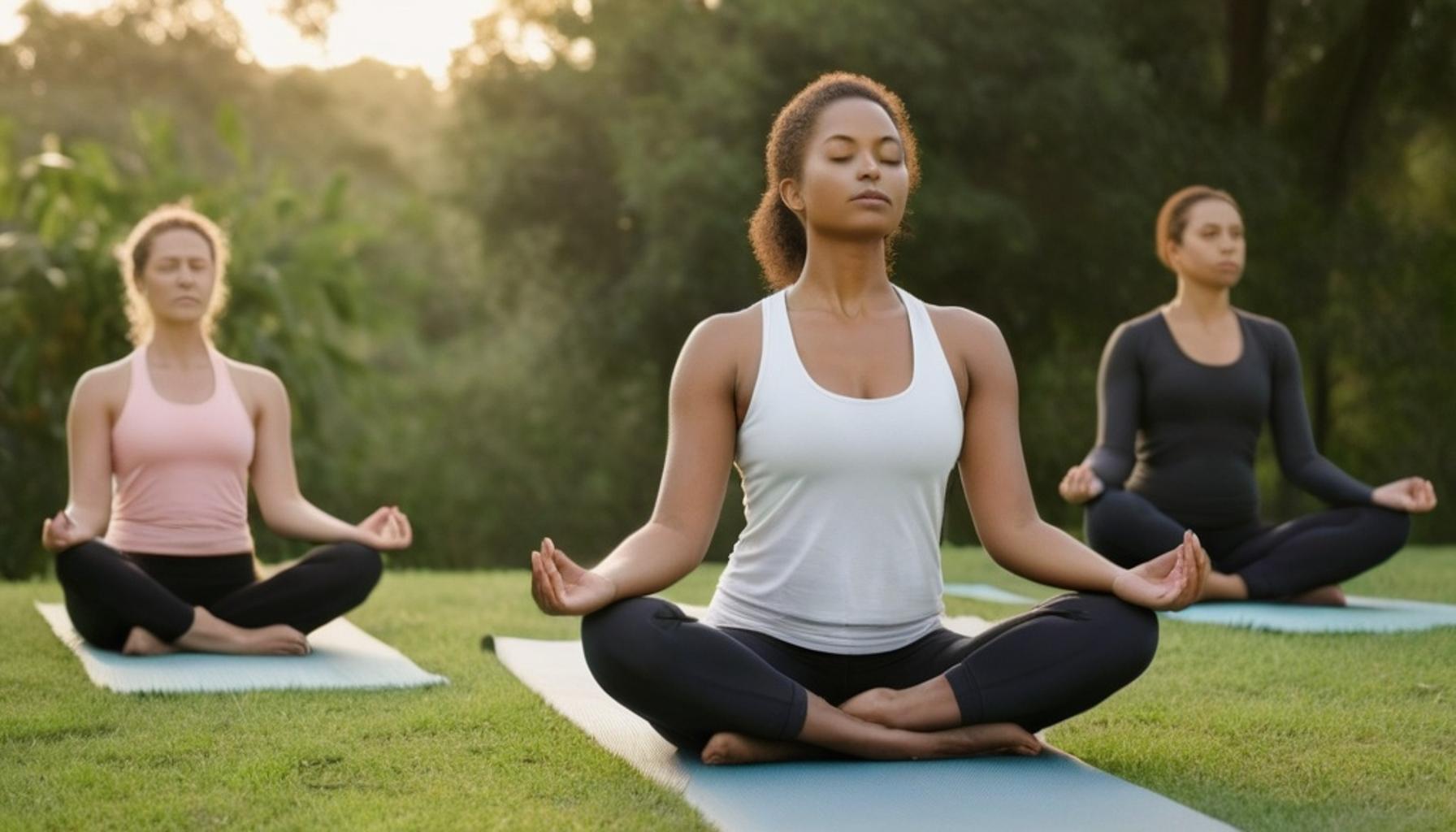
The importance of daily meditation for mental health
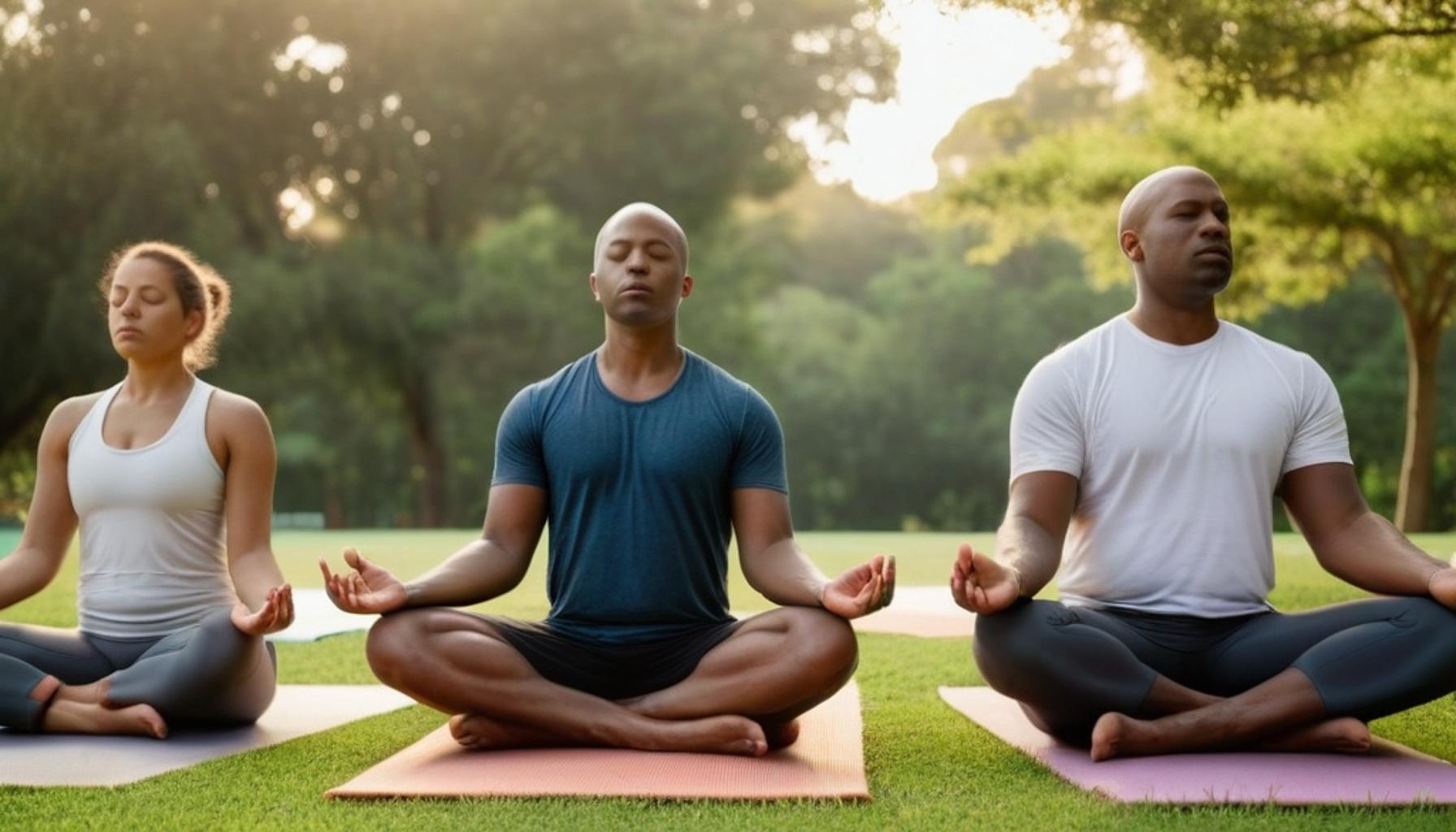
Why Millions of Americans Are Turning to Stillness Every Morning
Across the United States, from busy New York commuters to California wellness enthusiasts, a quiet revolution is happening. More people are waking up ten minutes earlier not to check emails, but to sit in silence. In office break rooms in Chicago, on subway platforms in Boston, and even inside corporate wellness programs at companies like Google and Salesforce, this shift is becoming impossible to ignore.
The reason is simple: daily meditation for mental health is proving to be one of the most accessible, science-backed tools for emotional resilience available today. Unlike expensive therapy sessions or complicated wellness routines, meditation requires no equipment, no subscription, and no prior experience — just a few quiet minutes and a willingness to sit still.
According to the National Institutes of Health, over 14% of U.S. adults have tried meditation at least once — and that number keeps climbing, particularly among younger generations navigating unprecedented levels of workplace stress and digital overwhelm.
What Makes This Practice So Powerful?
Researchers point to measurable changes in the brain after consistent practice. A daily meditation practice has been linked to:
- Reduced activity in the amygdala, the brain’s stress center
- Improved focus and emotional regulation
- Lower cortisol levels, supporting meditation for stress relief
- Better sleep quality and reduced racing thoughts
- Increased gray matter density in regions associated with memory and empathy
These aren’t vague promises. They’re outcomes documented in clinical studies from institutions like Harvard and Johns Hopkins, where researchers have used MRI scans to track brain changes in participants after just eight weeks of consistent practice.
How Meditation Helps Anxiety in Real Life
For someone battling constant worry, understanding how meditation helps anxiety can be life-changing. It doesn’t eliminate stressors — traffic jams, looming deadlines, or family tension don’t disappear. Instead, it changes how the nervous system responds to them, creating a buffer between stimulus and reaction that many practitioners describe as newfound emotional space.
This introduction explores the real benefits of meditation, practical mindfulness meditation techniques anyone can try at home, and why just a few minutes a day might reshape your mental wellbeing far more than you’d expect.
SEE ALSO: Practical Strategies for Cultivating Gratitude and Its Impact on Mental Health
The Science Behind Sitting Still: What Happens Inside Your Brain
Walk into any hospital break room in Minneapolis or a tech office in Austin, and you might spot employees closing their eyes for five minutes between meetings. This isn’t a passing trend — it’s a response to a growing body of evidence showing that daily meditation for mental health produces measurable, physical changes in how the brain processes stress.
A landmark study conducted at Massachusetts General Hospital found that participants who meditated for just 27 minutes a day over eight weeks showed shrinkage in the amygdala — the brain’s alarm system responsible for fight-or-flight responses. Simultaneously, the prefrontal cortex, which governs decision-making and emotional control, showed increased activity.
This shift matters because it directly explains how meditation helps anxiety sufferers regain a sense of control. Instead of spiraling into worst-case scenarios during a stressful commute or a tense family dinner, practitioners report a noticeable pause — a beat of clarity before reacting.
Why Consistency Beats Intensity
One of the most surprising findings from meditation research isn’t about how long you sit, but how often. Dr. Sara Lazar, a neuroscientist at Harvard Medical School, has repeatedly emphasized that short, consistent sessions outperform sporadic, lengthy ones.
This is why wellness experts increasingly recommend building a daily meditation practice around small, sustainable habits rather than ambitious hour-long sessions that quickly get abandoned. Consider these approaches that have gained traction across the U.S.:
- Five-minute breathing sessions before checking your phone in the morning
- Guided meditation apps used during lunch breaks, popular in cities like Seattle and Denver
- Body-scan techniques practiced before bed to quiet racing thoughts
- Walking meditations incorporated into daily dog walks or commutes
- Brief mindfulness check-ins during work transitions, common in corporate wellness programs
These aren’t complicated rituals requiring incense or silence retreats. They’re accessible entry points into mindfulness meditation techniques that fit into an already overloaded American schedule.
The Stress Relief Component Employers Are Noticing
Corporate America has taken note. Companies offering meditation for stress relief programs report measurable drops in employee burnout and sick days. Aetna, the insurance giant, found that employees who practiced mindfulness saved the company an estimated $3,000 per employee annually in reduced healthcare costs and increased productivity.
That statistic alone has prompted HR departments nationwide to rethink wellness benefits, moving beyond gym memberships toward something quieter, but arguably more impactful.
CHECK OUT: The Importance of Daily Meditation for Mental Well-Being
Beyond the Boardroom: Real Stories, Real Data on Mental Resilience
Numbers only tell part of the story. Across the country, from veterans’ support groups in San Diego to college counseling centers in Ohio, the benefits of meditation are showing up in ways that go far beyond stress management. They’re reshaping how people process trauma, grief, and everyday emotional overwhelm.
Take the case of the Veterans Health Administration, which began integrating mindfulness-based programs into PTSD treatment plans over a decade ago. Participants who committed to a daily meditation practice reported a significant reduction in intrusive thoughts and hypervigilance — two symptoms that traditional talk therapy alone often struggles to address quickly.
What the Research Says About Anxiety and Depression
A meta-analysis published in JAMA Internal Medicine reviewed nearly 47 clinical trials and found that mindfulness meditation programs produced moderate improvements in anxiety, depression, and pain — comparable in some cases to the effects of antidepressant medication, though without the side effects.
This finding has fueled interest in understanding precisely how meditation helps anxiety sufferers on a physiological level. Researchers point to reduced cortisol production, the hormone responsible for the body’s stress response. Lower cortisol levels are linked to improved sleep, better digestion, and even reduced inflammation — effects that ripple far beyond the mind alone.
Practical Techniques Gaining Ground Nationwide
Not all mindfulness practices look the same, and that variety is part of what makes this approach accessible to different lifestyles. Some mindfulness meditation techniques that have gained popularity in the U.S. include:
- Loving-kindness meditation, often used in therapy sessions to combat self-criticism
- Progressive muscle relaxation paired with breathwork, common in physical therapy clinics
- Noting technique, where practitioners silently label thoughts as they arise
- Sound bath sessions, increasingly offered at wellness studios in cities like Portland and Nashville
- Digital detox meditations designed specifically to counter smartphone-induced anxiety
Each method targets a slightly different mental pattern, which explains why experts often recommend experimenting before settling into a routine that feels sustainable.
The Ripple Effect on Relationships and Focus
There’s also growing interest in how meditation for stress relief extends beyond the individual. Therapists report that clients who meditate regularly show improved patience and communication in relationships, likely due to increased activity in brain regions associated with empathy and perspective-taking.
Teachers in school districts from California to New York have begun piloting short mindfulness breaks in classrooms, citing improvements in student focus and reduced instances of conflict. Some districts report a measurable drop in disciplinary referrals after introducing just ten minutes of guided breathing at the start of each school day.
The Bigger Picture: Why This Practice Deserves a Place in Daily Life
What emerges from classrooms in New York, veterans’ clinics in San Diego, and wellness studios in Portland is a consistent thread: daily meditation for mental health isn’t a passing trend. It’s a practice backed by clinical data, real-world testimonials, and a growing body of research that spans generations and professions.
The evidence gathered here points to something bigger than personal anecdotes. When nearly 47 clinical trials show measurable improvements in anxiety and depression, and school districts report fewer disciplinary referrals after ten minutes of guided breathing, it’s clear this isn’t just about individual calm. It’s about collective well-being.
Still, the path to consistency looks different for everyone. Some find relief in loving-kindness meditation, others in sound baths or simple breathwork. The benefits of meditation are not one-size-fits-all, and that flexibility may be exactly why the practice has found footing across such varied communities — from corporate offices to high school hallways.
Where to Go From Here
Understanding how meditation helps anxiety on a physiological level, through lower cortisol and reduced inflammation, offers a compelling reason to start small. Even a few minutes a day can begin shifting patterns that talk therapy alone sometimes struggles to reach.
For those considering where to begin, exploring different mindfulness meditation techniques before committing to one approach seems to be the common advice among therapists and researchers alike. A daily meditation practice doesn’t require perfection, only consistency.
As more schools, veterans’ programs, and clinics adopt meditation for stress relief as a standard tool rather than an alternative one, the conversation around mental health continues to shift. The next step, for many readers, might simply be sitting still for five minutes and paying attention to what happens next.
Frequently Asked Questions
How long should I meditate each day to see mental health benefits?
Research suggests that even 10 to 15 minutes of daily meditation can reduce symptoms of anxiety and stress over time. Consistency matters more than duration, so starting with short sessions and gradually increasing them tends to produce the best results. Most people notice improved mood and focus within two to four weeks of regular practice.
Can daily meditation help with anxiety and depression?
Yes, studies show that daily meditation for mental health can lower cortisol levels and calm the nervous system, which helps reduce anxiety symptoms. Mindfulness-based practices are also linked to fewer depressive relapses because they train the brain to observe thoughts without judgment. While meditation is not a replacement for therapy or medication, it can be an effective complementary tool.
What is the best time of day to meditate for mental clarity?
Many people find that meditating first thing in the morning sets a calmer tone for the rest of the day and improves focus. Others prefer evening sessions to release stress accumulated during the day before sleep. The best time ultimately depends on your schedule, but practicing at the same time daily helps build a lasting habit.
Do I need any special equipment or app to start meditating daily?
No special equipment is required; a quiet space and a comfortable seated position are enough to begin. Free apps like Insight Timer, Headspace, or Calm can guide beginners through structured sessions if extra support is helpful. Ultimately, the practice itself matters more than the tools used.
How does daily meditation physically change the brain over time?
Neuroimaging studies show that consistent meditation can increase gray matter density in areas linked to emotional regulation, such as the prefrontal cortex. It also tends to shrink the amygdala, the brain region responsible for triggering stress and fear responses. These structural changes explain why long-term meditators often report better emotional resilience and calmer reactions to stress.
What should I do if I can’t quiet my mind during meditation?
It’s completely normal for the mind to wander, especially for beginners practicing daily meditation for mental health. Instead of forcing thoughts away, gently acknowledge them and redirect your attention back to your breath or a chosen focal point. Over time, this practice of refocusing strengthens attention control and makes meditation feel more natural.

Linda Carter
Linda Carter is a writer specializing in healthy habits and balanced living. With extensive experience helping readers build sustainable routines, she shares practical guidance on nutrition, physical activity, quality sleep, stress management, and emotional well-being. Her goal is to offer simple, accessible strategies that inspire people to care for their health and enjoy a more balanced life.