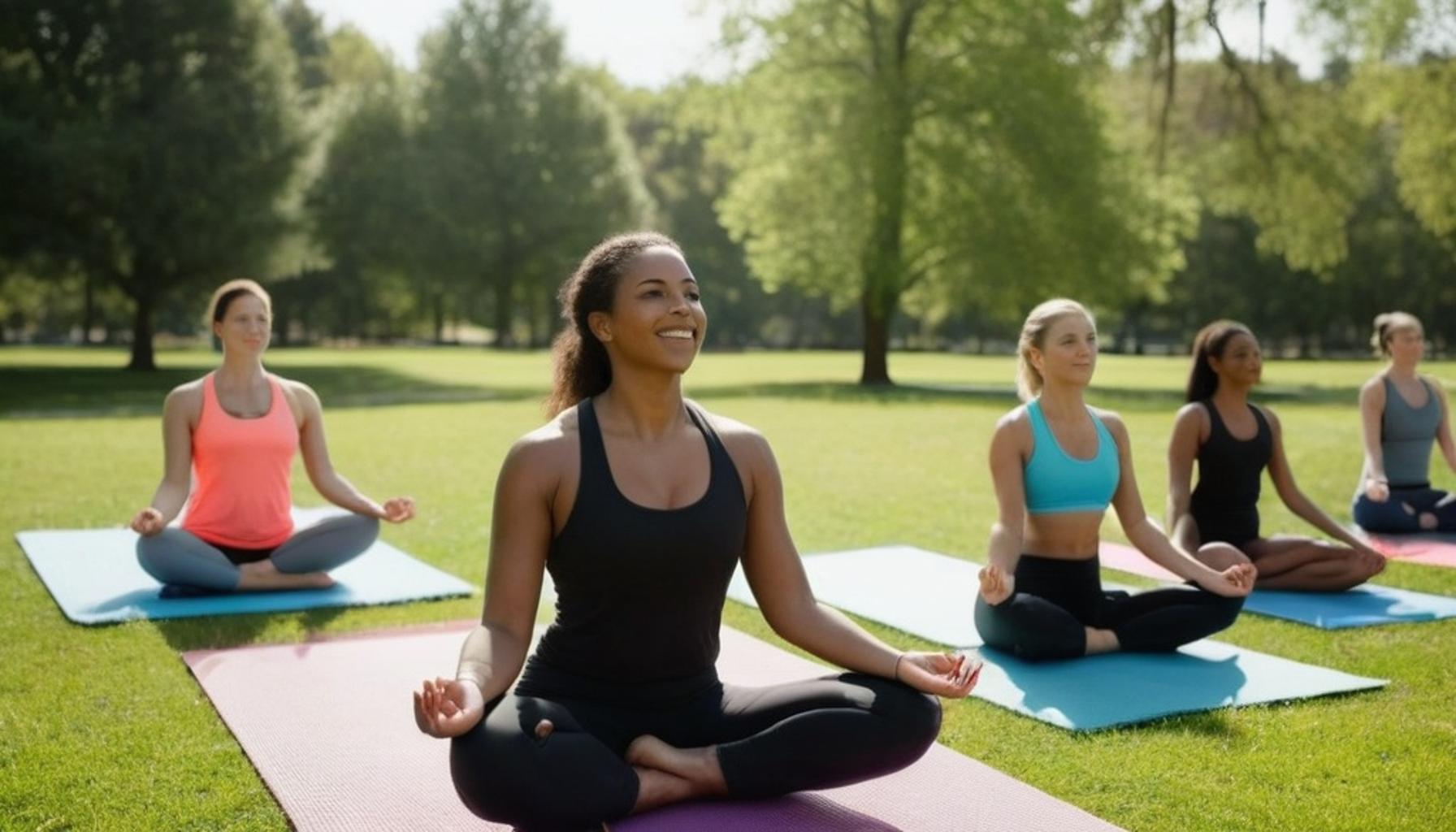
Exploring the Role of Flexibility and Mobility Exercises in Overall Wellness

Why Your Body Craves Movement That Bends, Twists, and Reaches
Millions of Americans spend hours hunched over desks, phones, and steering wheels every single day. This sedentary lifestyle quietly stiffens joints and shortens muscles, setting the stage for chronic pain and limited movement. From the morning commute on I-95 to back-to-back Zoom calls, the average workday leaves little room for the kind of dynamic movement our bodies were designed to perform.
Flexibility and Mobility Exercises offer a science-backed antidote to this modern predicament. These practices aren’t just for athletes or yoga enthusiasts—they’re essential tools for anyone seeking long-term physical resilience. Physical therapists across the country report a surge in patients dealing with preventable stiffness, a trend closely tied to increasingly desk-bound routines.
The Hidden Cost of Ignoring Mobility
Research suggests that adults lose up to 50% of their flexibility between ages 30 and 70 if they don’t actively work against it. That’s a staggering figure when you consider how much daily function depends on a full range of motion. That decline often translates into:
- Difficulty performing everyday tasks like tying shoes or reaching overhead
- Increased risk of falls and injuries, particularly among older adults living independently
- Chronic tightness in the hips, back, and shoulders that can radiate into persistent discomfort
- Reduced athletic performance and slower recovery times, even for casual weekend runners
The good news? These outcomes aren’t inevitable. Unlike some aspects of aging, flexibility loss responds remarkably well to consistent, targeted effort—even starting later in life.
What This Article Will Uncover
Understanding the benefits of flexibility exercises goes far beyond touching your toes. This piece explores how targeted mobility workouts for wellness support everything from joint health to mental clarity, and why physical therapists increasingly prescribe them alongside traditional strength training.
Readers will discover practical stretching routines for health that fit into even the busiest American lifestyle, whether that means five minutes before breakfast or a short break between meetings. From dynamic warm-ups to restorative cool-downs, we’ll break down exactly how improving flexibility and mobility can transform daily function, reduce nagging aches, and even influence how well you sleep at night.
Whether you’re a weekend warrior training for a local 5K, a parent chasing after kids in the backyard, or someone simply trying to move without discomfort, integrating flexibility exercises for lifestyle balance may be the missing piece in your wellness routine. The evidence points to a simple truth: the body that bends, twists, and reaches with ease is one built through intentional, ongoing practice.
RECOMMENDED: The Benefits of Incorporating Strength Training into Your Weekly Exercise Routine
# The Science Behind Flexibility: What Happens Inside Your BodyUnderstanding why Flexibility and Mobility Exercises matter requires a quick look at what’s happening beneath the skin. Muscles, tendons, and connective tissue called fascia all work together to determine how freely a joint can move. When these tissues stay static too long, they adapt by shortening and stiffening.This isn’t just theoretical. A study published by the American College of Sports Medicine found that consistent stretching increases joint range of motion by up to 20% within just eight weeks of regular practice. That’s a meaningful shift for anyone struggling to squat down and grab something off a low shelf or twist around to check a blind spot while driving.
What makes this process particularly fascinating is how the body communicates internally. Sensory receptors called muscle spindles and Golgi tendon organs constantly monitor tension and length, sending signals to the nervous system about how far a joint can safely travel. Over time, if those signals consistently report a narrow range, the brain accepts that narrower range as the new normal. This is why stretching isn’t just about pulling on tissue—it’s about retraining a communication system that’s been operating on outdated information for years.
Researchers at institutions like Harvard Medical School have also pointed to fascia’s role in this equation. Once dismissed as simple packing material, fascia is now understood as a body-wide network that transmits force and stores tension. When one section tightens, the effects can ripple into seemingly unrelated areas, which explains why a tight hip sometimes shows up as knee pain or why chronic shoulder tension can trace back to breathing patterns.
Mobility Versus Flexibility: Understanding the Difference
Many people use these terms interchangeably, but physical therapists draw a clear distinction:
- Flexibility refers to a muscle’s ability to lengthen passively, like when holding a hamstring stretch
- Mobility involves active control of a joint through its full range, such as rotating the hip during a lunge
- Both qualities work together, but neglecting one often limits progress in the other
- True functional movement—reaching overhead, squatting, twisting—requires a blend of both
This distinction matters because effective mobility workouts for wellness typically combine dynamic movement with traditional stretching, rather than relying on one approach alone.
Consider a baseball pitcher warming up before a game. Static stretching alone won’t prepare the shoulder for the explosive, controlled rotation required to throw a fastball. Instead, trainers emphasize dynamic mobility drills that mimic the actual movement pattern, gradually increasing range while maintaining strength and control throughout. This same principle applies to everyday tasks, whether it’s lifting a suitcase into an overhead bin or chasing after a toddler in the backyard.
How Daily Habits Quietly Erode Range of Motion
Consider a typical American workday. Sitting in traffic on the way to the office, followed by eight hours at a desk, then more sitting during the evening commute home—this pattern repeats itself five days a week for millions of people.Each hour spent in a fixed position sends a signal to connective tissue to adapt to that shortened state. Over months and years, this adds up significantly:
- Hip flexors tighten from prolonged sitting, contributing to lower back strain
- Shoulders round forward from computer and phone use, restricting chest and upper back mobility
- Ankle stiffness develops from wearing supportive shoes and rarely walking on uneven terrain
- Neck mobility decreases from constantly looking down at screens
These aren’t minor inconveniences. Orthopedic specialists increasingly link restricted mobility to compensatory movement patterns that place excess stress on joints never designed to handle that load, often triggering the very injuries people hope to avoid through exercise.
The Centers for Disease Control and Prevention has noted that the average American adult now spends more than six and a half hours per day sitting, a figure that climbs even higher among office workers. That statistic becomes especially relevant when paired with research showing that connective tissue begins adapting to sustained positions in as little as twenty minutes. In other words, the damage isn’t happening over some distant, abstract timeline. It’s accumulating in real time, every single day, often without anyone noticing until a simple task suddenly feels difficult.
The encouraging takeaway is that improving flexibility and mobility doesn’t require hours of dedicated practice. Even brief, consistent sessions can begin reversing years of accumulated stiffness, a concept explored further in the sections ahead.
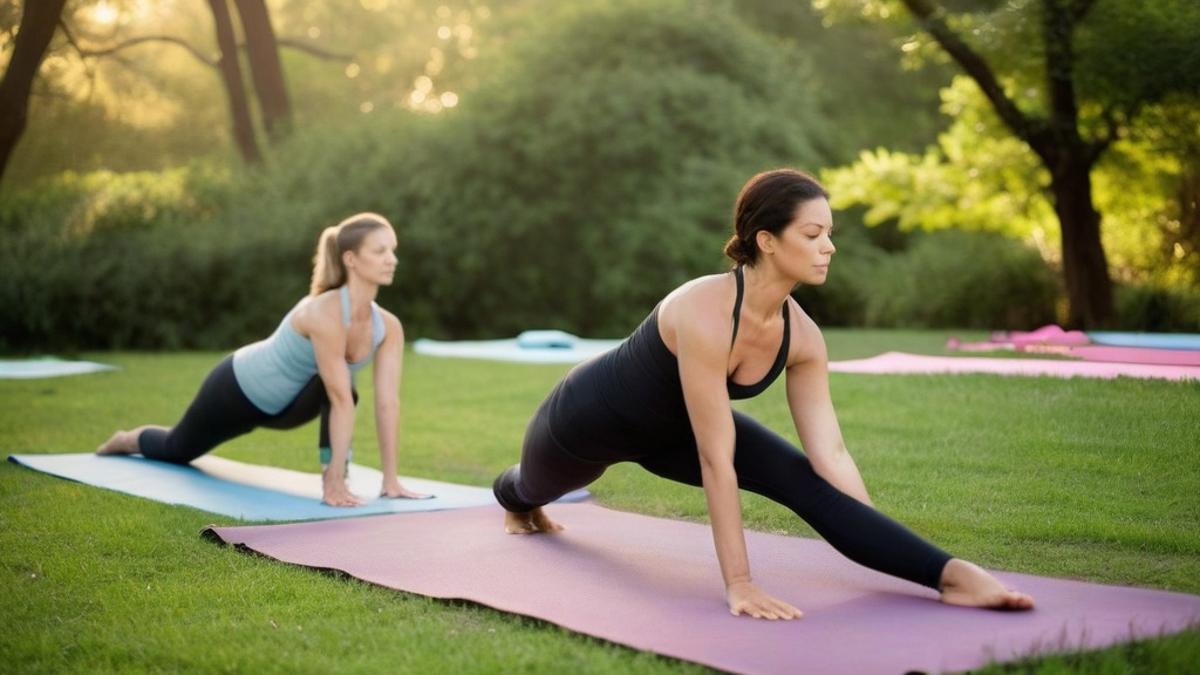
Key Aspects of Flexibility and Mobility Exercises for Wellness
Before diving deeper into specific routines, it helps to see the bigger picture. The table below breaks down the essential components of flexibility and mobility exercises and how each contributes to overall wellness, from joint health to stress reduction.
| Category | Wellness Impact |
|---|---|
| Dynamic Stretching | Boosts blood flow and prepares muscles, reducing injury risk before activity |
| Static Stretching | Improves long-term flexibility and eases muscle tension after workouts |
| Joint Mobility Drills | Enhances range of motion, supporting daily movement and posture |
| Mind-Body Practices | Yoga and Pilates combine mobility workouts for wellness with stress relief |
| Recovery Benefits | Consistent stretching routines for health speed muscle repair and reduce soreness |
RECOMMENDED: The Role of Short Workouts in Busy Lifestyles: Finding Balance Through Efficient Exercise
# Practical Applications: Bringing Flexibility Training Into Real LifeKnowing the science behind stiffness is one thing. Actually building lasting stretching routines for health into a packed American schedule is another challenge entirely.The good news is that effective flexibility exercises for lifestyle improvements don’t demand a gym membership or an hour of free time. They require consistency and a basic understanding of which movements target which problem areas.
Building a Sustainable Routine Without Overhauling Your Day
Physical therapists often recommend anchoring new mobility habits to existing routines rather than treating them as separate obligations.Someone already brewing coffee each morning might spend those two minutes doing standing hip circles. A person who showers nightly could stretch calves against the bathroom wall while waiting for water to warm up.
- Morning: dynamic movements like leg swings and arm circles to prepare joints for the day
- Midday: seated spinal twists and shoulder rolls to counteract desk posture
- Evening: static stretches held for 30 to 60 seconds, when muscles are warmer and more receptive
This layered approach reflects one of the core benefits of flexibility exercises: they don’t require a dedicated block of time to produce results, only intentional repetition.Corporate wellness programs across the country have started noticing this shift. Companies like Google and Aetna have incorporated brief mobility breaks into employee schedules, citing internal data linking short movement sessions to reduced reports of back and neck discomfort. This mirrors findings published in the Journal of Occupational Health, which associated regular movement breaks with measurable drops in musculoskeletal complaints among desk-based workers.Some fitness apps have capitalized on this trend as well, offering push notifications that prompt five-minute mobility breaks throughout the workday. Whether these digital nudges actually change long-term behavior remains an open question worth watching, but the underlying premise, that small consistent doses beat sporadic long sessions, appears to hold up across multiple studies.
Where Age and Activity Level Change the Equation
Not everyone needs the same approach. A 25-year-old recreational runner and a 65-year-old retiree face different mobility challenges, even if both are technically “active.”For older adults, maintaining hip and ankle mobility directly correlates with fall prevention. The National Institute on Aging has highlighted balance-related falls as a leading cause of injury among people over 65, and restricted ankle range of motion frequently plays a role in that risk.Younger athletes, meanwhile, often deal with sport-specific tightness. Cyclists commonly develop tight hip flexors, while swimmers may struggle with shoulder impingement from repetitive overhead motion.
- Runners benefit most from calf, hip flexor, and IT band mobility work
- Desk workers see the greatest improvement targeting hips, thoracic spine, and shoulders
- Older adults gain the most protective benefit from ankle, hip, and balance-focused mobility drills
This is precisely why generic advice tends to fall short. Effective mobility workouts for wellness should reflect actual lifestyle demands rather than following a one-size-fits-all template pulled from a fitness magazine.Physical therapy clinics increasingly perform movement screenings before designing programs, identifying which joints are compensating for others. A runner with knee pain, for instance, might actually be dealing with restricted hip rotation, not a knee problem at all. Addressing the root cause, rather than the symptom, often produces faster and more lasting relief.
Tracking Progress Without Overcomplicating Things
Many people abandon flexibility routines simply because they cannot see measurable progress the way they might with weightlifting or running mileage. Some trainers now suggest simple benchmarks: how far fingertips reach past the knees during a forward fold, or whether a person can comfortably touch both shoulder blades behind their back.Apps like ROMWE and even basic smartphone cameras have started being used informally to record range-of-motion changes over weeks or months. While not clinically validated tools, they offer motivation through visible comparison, something static stretching has historically lacked.Ultimately, the most successful approaches share one trait: they fit into existing routines rather than demanding new ones, making flexibility training less of a chore and more of an invisible upgrade to daily life.
CHECK OUT: Integrating Mindfulness into Your Exercise Routine for Enhanced Well-Being
Final Thoughts: Small Movements, Lasting Impact
The evidence gathered across research labs, physical therapy clinics, and corporate wellness programs points to a consistent conclusion. Flexibility and Mobility Exercises are not a peripheral wellness trend but a foundational piece of long-term physical function.
What started as a niche concern for athletes and physical therapists has become a mainstream conversation, one backed by data from the National Institute on Aging, workplace health studies, and countless clinical observations linking restricted movement to preventable injury.
Rethinking What “Working Out” Actually Means
Perhaps the most important shift is cultural. Americans have long equated fitness with intensity: heavier weights, faster miles, longer sessions. But improving flexibility and mobility suggests a different metric of success, one measured in range of motion, joint comfort, and daily ease rather than personal records.
This reframing matters because it removes a major barrier to entry. There is no need for expensive equipment or an hour carved out of an already tight schedule.
- Two minutes of hip circles during coffee brewing
- A calf stretch against the shower wall
- Seated spinal twists between meetings
These small, repeated actions compound over time, echoing the same principle seen in corporate wellness data: consistency outperforms intensity.
A Broader View on Wellness
Ultimately, stretching routines for health and structured mobility workouts for wellness deserve the same respect given to cardio and strength training. They are not an afterthought, but a parallel pillar of physical resilience.
As more research emerges connecting joint mobility to fall prevention, workplace comfort, and athletic longevity, the case for prioritizing flexibility only grows stronger. The real challenge now is not convincing people it matters, but helping them build habits that make it automatic. Anyone willing to start small today may find their body thanking them for decades to come.
Frequently Asked Questions
What is the difference between flexibility and mobility exercises?
Flexibility refers to the ability of your muscles to lengthen and stretch, while mobility involves how well your joints move through their full range of motion with control and strength. Flexibility exercises like static stretching target muscle elasticity, whereas mobility drills, such as controlled leg swings or hip circles, improve joint function and movement quality. Combining both leads to better overall movement efficiency and reduced injury risk.
How often should I do flexibility and mobility exercises each week for noticeable results?
Most experts recommend performing flexibility and mobility exercises at least 3 to 5 times per week for noticeable improvements in range of motion and joint comfort. Even short 10 to 15 minute sessions focusing on major muscle groups and joints can produce measurable benefits within a few weeks. Consistency matters more than duration, so daily brief sessions often outperform occasional longer ones.
Can flexibility and mobility exercises help reduce chronic joint pain?
Yes, regular flexibility and mobility exercises can significantly reduce chronic joint pain by improving circulation, reducing stiffness, and strengthening the tissues surrounding joints like the knees, hips, and shoulders. Gentle movements such as yoga-based stretches or dynamic mobility drills help lubricate joints and decrease inflammation over time. However, individuals with severe arthritis or injuries should consult a physical therapist for a tailored routine.
What are the best mobility exercises for people who sit at a desk all day?
For desk workers, hip flexor stretches, thoracic spine rotations, and shoulder blade squeezes are especially effective at counteracting the stiffness caused by prolonged sitting. Standing hamstring stretches and ankle circles also help restore lower body mobility that becomes restricted from inactivity. Taking short mobility breaks every hour can prevent the long-term postural issues linked to sedentary work.
Do flexibility and mobility exercises improve athletic performance or just prevent injury?
Flexibility and mobility exercises do both: they enhance athletic performance by allowing for more efficient, powerful movement patterns while simultaneously reducing the risk of strains and sprains. Improved hip and ankle mobility, for example, can boost squat depth and running stride length, directly impacting speed and strength. This dual benefit makes them a valuable part of any athlete’s training program, not just an injury-prevention afterthought.

Linda Carter
Linda Carter is a writer specializing in healthy habits and balanced living. With extensive experience helping readers build sustainable routines, she shares practical guidance on nutrition, physical activity, quality sleep, stress management, and emotional well-being. Her goal is to offer simple, accessible strategies that inspire people to care for their health and enjoy a more balanced life.