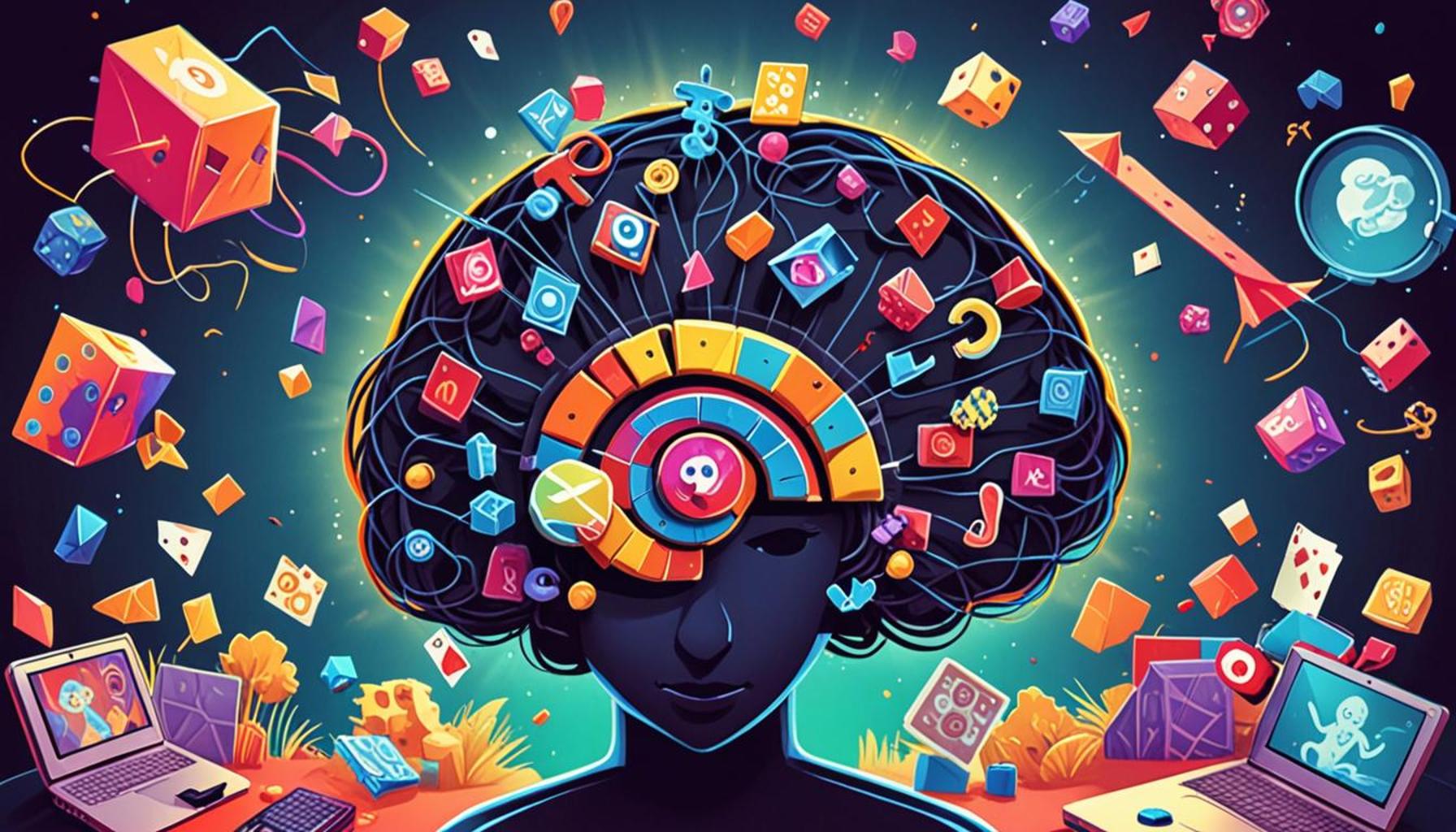
Interactive Memory Games: Stimulating Neuroplasticity at All Ages

Unlocking Potential Through Play
In a rapidly evolving world, maintaining cognitive health is essential for everyone, regardless of age. Interactive memory games have emerged as a popular tool, offering not only entertainment but also valuable benefits for brain function. These games stimulate neuroplasticity, the brain’s ability to reorganize itself by forming new neural connections. This is particularly important in a society where information overload is the norm, making cognitive agility a vital asset.
What makes these games appealing is their versatility, accommodating various age groups and cognitive levels. They can be integrated into daily routines, making the process of mental exercise both enjoyable and effective. Here are some facets worth exploring:
- Variety of Formats: Interactive memory games come in numerous formats, from mobile apps like “Lumosity” and “Peak” to traditional board games such as “Memory” and “Simon.” This diversity allows individuals to choose what suits them best, whether they prefer solitary play or engaging with friends and family, thereby enriching social interaction as well.
- Engagement Techniques: Many of these games utilize puzzles, challenges, and social elements designed to captivate players. For instance, games that incorporate storytelling can make memory challenges feel immersive, prompting players to engage their minds on multiple levels, enhancing retention and recall.
- Research-Backed Benefits: Numerous studies suggest that regular engagement with these games can enhance memory, attention, and problem-solving skills. For instance, a study published in the “Journal of Gerontology” found that elderly individuals who played memory exercises showed significant improvements in cognitive function, demonstrating that it’s never too late to benefit from these activities.
By investing time in interactive memory games, individuals can tap into their cognitive potential, paving the way for lasting mental health benefits. Not only do these activities entertain, but they also challenge the brain in dynamic ways that encourage growth. The aspect of fun inherent in these games can help reduce the stress associated with traditional learning methods.
In this article, we will explore the different types of interactive memory games, delve into their impact on neuroplasticity, and discuss why they should be included in daily routines for people of all ages. Engaging with these games not only sharpens the mind but also fosters relationships, contributing to a well-rounded approach to mental well-being.
DISCOVER MORE: Click here to dive deeper

Exploring the Landscape of Interactive Memory Games
As the digital age continues to reshape our daily lives, the accessibility of interactive memory games has become a boon for cognitive health enthusiasts. With a wide array of choices available—from mobile applications to classic tabletop games—individuals of all ages can find activities tailored to their interests. This flourishing landscape of memory games not only promotes enjoyment and engagement but also plays a crucial role in boosting neuroplasticity.
The advantages of incorporating memory games into daily routines extend beyond mere entertainment value. Here are several key aspects to consider:
- Cognitive Development: Children and adolescents can greatly benefit from interactive memory games, which are designed to enhance their cognitive skills. Studies indicate that games which challenge memory and attention help improve focus, boost problem-solving abilities, and promote critical thinking—skills that are invaluable in the modern educational landscape.
- Age-Related Cognitive Decline: For older adults, engaging with memory games can serve as a protective strategy against cognitive decline. Research highlights that activities stimulating the brain, such as memory exercises, can slow the progression of dementia-related diseases. A study published in the “Archives of Neurology” suggests that older adults who regularly engage in cognitive activities exhibit better overall brain health.
- Stress Reduction: Engaging in interactive games can provide a therapeutic escape from daily stressors. Not only do these games offer a fun distraction, but they also encourage relaxation and mindfulness. As players immerse themselves in puzzles and challenges, they often experience a reduction in anxiety and an increase in overall well-being.
The variety in interactive memory games is also remarkable. Game developers are continually innovating and adapting their offerings to cater to a wide range of preferences and skill levels. Whether one prefers solo gaming options like Sudoku and crossword puzzles or enjoys collaborative experiences through interactive online platforms, there’s a memory game suited for everyone. This adaptability ensures that maintaining cognitive fitness can seamlessly fit into one’s lifestyle, fostering not only individual engagement but also community connections.
With technological advancements, virtual reality (VR) and augmented reality (AR) are emerging as exciting formats for memory games. These immersive experiences allow players to engage their senses fully, creating an environment where learning and memory reinforcement feel both natural and exciting. As the accessibility of these technologies grows, the potential for cognitive enhancement through memory games will likely expand, opening new frontiers for all age groups.
In the upcoming sections, we will delve deeper into how specific types of interactive memory games uniquely contribute to stimulating neuroplasticity. Understanding these dynamics can empower individuals to make informed decisions about incorporating these playful yet powerful tools into their daily lives, ultimately leading to enhanced mental agility and robust cognitive health.
| Category | Details |
|---|---|
| Cognitive Enhancement | Interactive memory games actively engage the brain, promoting focus and improving overall cognitive function. |
| Neuroplasticity | These games facilitate neuroplasticity, allowing for new neural connections that can lead to better memory retention and problem-solving skills. |
As we delve into the fascinating world of interactive memory games, it’s essential to recognize the vast benefits these tools offer across all age groups. Engaging in structured mental exercises can effectively turn what may seem like mere play into a vital mechanism for enhancing cognitive abilities. Research has shown that regular participation in memory games can lead not only to improvements in cognitive abilities but also contribute significantly to adult learners’ and children’s success in various aspects of life.Moreover, these games often introduce challenging scenarios that require players to think critically and adapt quickly, qualities that encourage a workout for the brain akin to physical exercise for the body. As participants refine their memory and attention skills, they also develop strategic thinking and adaptability—important traits in our rapidly evolving world. With the ability to pivot between tasks and maintain information longer, players harness tools that transcend typical learning environments. Dive deeper into the impact of interactive memory games and discover how they can transform mental acuity while stimulating a lifelong desire to learn and grow. The journey towards cognitive improvement is not only achievable but can also be an exhilarating adventure for everyone involved!
DISCOVER MORE: Click here to enhance your strategic skills
The Mechanics Behind Memory Games and Neuroplasticity
Understanding how interactive memory games promote neuroplasticity can deeply enrich our appreciation of their value. At its core, neuroplasticity refers to the brain’s ability to reorganize and form new neural connections throughout a person’s life. This adaptability is crucial for learning, memory, and recovery from injuries. Interactive memory games leverage this fundamental principle effectively, making them not only fun but also instrumental for cognitive development across various age groups.
One mechanism by which memory games enhance neuroplasticity is through challenge and novelty. When players engage with new patterns, techniques, or strategies within a game, the brain responds by forming new pathways. For instance, games that involve memorizing sequences—such as memory card games—require players to utilize both short-term and long-term memory. This dual engagement stimulates different regions of the brain, helping to forge stronger connections and expand cognitive capacity.
Furthermore, memory games often incorporate elements of repetition and reinforcement. A concept that is crucial in cognitive training, the repeated exposure to information helps solidify those pathways, making retention easier over time. This is particularly beneficial in games designed with increasing difficulty levels, encouraging players to adapt and refine their skills while promoting a sense of achievement and motivation.
For example, the popular mobile app Lumosity features a variety of games that challenge players in areas such as attention, memory, and problem-solving. Research indicates that regular engagement with such apps can lead to improved cognitive functions, demonstrating how gamified learning experiences can fuel neuroplasticity.
Social Interaction: A Key Component
Another pivotal aspect of interactive memory games revolves around social interaction. Multiplayer formats, whether on digital platforms or in-person settings, create opportunities for collaboration and competition. Engaging with others stimulates cognitive processes by introducing unpredictability and requiring players to adapt their strategies—a factor that significantly enhances neuroplasticity.
Moreover, social connections play a vital role in mental health and cognitive resilience. Studies have found that engaging in group games not only fosters relationships but also reduces stress and enhances joy, providing a powerful combination that supports brain health. For example, simple games like charades or Pictionary not only require memory recall but also promote active social engagement, yielding cognitive and emotional benefits.
Age-Specific Benefits
The benefits of memory games extend uniquely across different age brackets. For younger audiences, games like Simon Says and interactive learning apps embed fun into cognitive skill-building, crucial during critical developmental periods. Conversely, older adults can benefit from engaging with games that provide mental stimulation while acting as a social activity. Products such as BrainAge and Mathemagics are explicitly designed for seniors to retain their mental agility while also encouraging social interaction, combating feelings of isolation often experienced in this demographic.
Importantly, the enhancement of neuroplasticity through these games can lead to a marked improvement in overall quality of life. Engaging in regular brain challenges not only combats cognitive decline but enriches day-to-day living, promoting independence and cognitive vitality throughout life.
As the landscape of interactive memory games continues to evolve, a deeper exploration of how these games serve different age groups and their specific cognitive needs will undoubtedly reveal new insights into the profound relationship between play, learning, and brain health.
DIVE DEEPER: Click here to discover more about brain teasers in popular culture
Conclusion
In summary, interactive memory games represent a dynamic tool for fostering neuroplasticity across all life stages, offering far-reaching benefits for cognitive health and overall quality of life. From children honing their memory skills during formative years to seniors engaging in stimulating activities that combat cognitive decline, these games provide a playful yet effective means to enhance brain function.
The mechanisms at play—such as challenge, novelty, repetition, and social interaction—work synergistically to create an enriching environment for the brain, enabling it to adapt and reorganize itself. Engaging with peers in these memory games not only sharpens mental abilities but also bolsters emotional well-being by fostering connections and reducing stress. The rise of technology has made these games more accessible than ever, with apps like Lumosity and BrainAge revolutionizing how we conceive cognitive training.
As research continues to unveil the profound impacts of interactive memory games, there is a compelling argument for integrating these activities into daily routines, regardless of age. By embracing this innovative approach to brain health, individuals can embark on a path of lifelong learning and enjoyment, elevating their cognitive vitality while nurturing social ties. The interplay of fun, challenge, and growth encapsulates the essence of how play can indeed be a powerful ally in unlocking the brain’s potential—an invitation for all to explore and engage.