Logical Puzzles and Mental Health: The Connection Between Reasoning and Well-Being
Cognitive Benefits of Puzzles
In today’s fast-paced environment, where digital distractions are omnipresent and stress levels often surge, the necessity for effective mental health strategies is more critical than ever. Engaging in logical puzzles not only serves as an enjoyable pastime but also as a powerful tool for enhancing mental wellness.
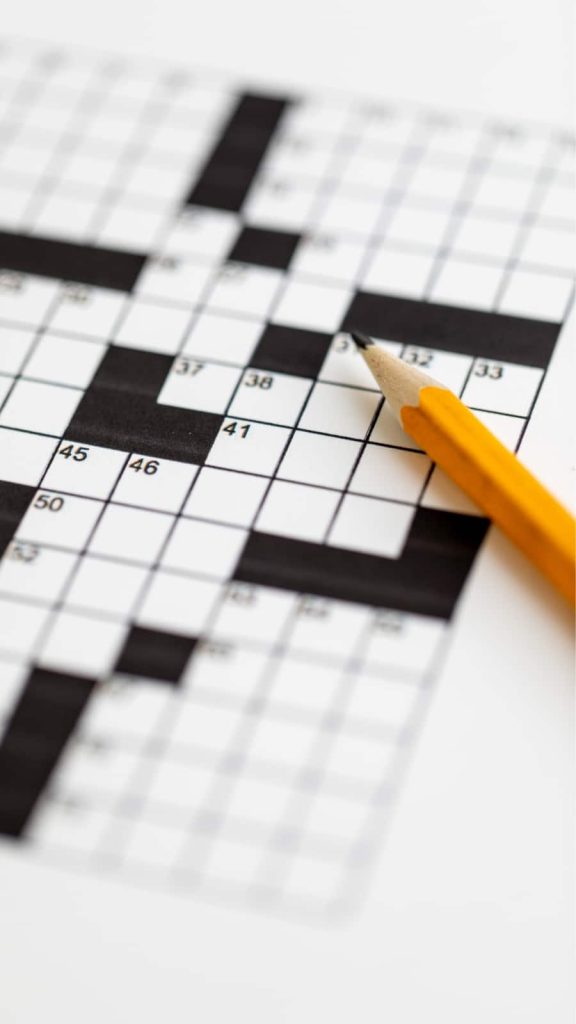
Research indicates a robust link between engaging in reasoning activities and numerous mental health benefits. For instance, one of the primary advantages of regularly solving puzzles is improved cognitive function. Activities such as crossword puzzles, Sudoku, and brain teasers can sharpen memory retention and enhance problem-solving abilities. A study from the University of Edinburgh found that individuals who frequently engaged in puzzles exhibited better memory and a slower cognitive decline as they aged. This suggests that making puzzles a regular part of your routine can yield long-term benefits for brain health.
Stress Management through Puzzles
Another essential aspect to consider is the role of puzzles in stress reduction. Many people find that immersing themselves in a challenging puzzle helps distract from overwhelming daily pressures. This distraction acts as a form of mental escapism, allowing individuals to temporarily step away from their worries. In fact, a survey conducted by the American Psychological Association noted that activities which promote problem-solving can significantly reduce stress. As participants focused on puzzles, they reported a drop in anxiety levels and a rise in relaxation, which directly contributes to overall wellbeing.
Social Interaction and Community Building
Moreover, puzzles can foster social interaction, an essential component of emotional health. Many logical challenges are designed to be solved collaboratively, making them perfect for gatherings or family evenings. When friends or family members come together to tackle a complex brain teaser, they are not only exercising their minds but also building relationships. This communal aspect reflects a growing trend in the United States, where puzzle clubs and community events centered around logic games are becoming increasingly popular.
Overall, engaging with logical puzzles, such as crossword puzzles, Sudoku, and various brain teasers, transcends mere entertainment. These activities can be transformative tools for emotional regulation, providing an avenue to alleviate anxiety and depressive thoughts. By actively stimulating the brain, they create pathways to healthier emotional states.
Exploring the intricate relationship between reasoning and mental health reveals an entire realm of possibilities for personal growth and resilience. As you delve deeper into the world of logical puzzles, you can discover how these cerebral challenges not only offer enjoyment but also contribute to a holistic approach to mental wellness.
DIVE DEEPER: Click here to uncover the secrets of logical puzzles
The Therapeutic Power of Problem Solving
Engaging with logical puzzles extends beyond mere entertainment; it can be a profound tool for enhancing mental health and promoting emotional resilience. Studies have shown that immersing oneself in problem-solving activities fosters a sense of accomplishment and boosts self-esteem. The immediate reward of successfully completing a puzzle, whether it’s a challenging Sudoku or a tricky logic grid, creates a sense of achievement that can be essential in improving overall mental well-being.
One of the most significant benefits of engaging in logical puzzles is the enhancement of critical thinking skills. These puzzles not only challenge the intellect but also encourage individuals to approach problems from various angles. According to a report from the American Psychological Association, regularly engaging in mental challenges can refine thought processes and make individuals more adept at handling real-life difficulties. This cognitive agility translates into better decision-making skills and greater adaptability in stressful situations.
Cognitive Engagement and Lifelong Learning
The connection between logical puzzles and the promotion of lifelong learning is another critical factor in their contribution to mental health. Engaging with puzzles allows individuals to continually challenge their brains and acquire new skills, which can lead to a more fulfilling and enriched life. The following cognitive elements illustrate why puzzles are beneficial:
- Memory Enhancement: Regular practice with puzzles can strengthen memory retention, a critical skill as we age.
- Increased Focus: Concentrating on intricate patterns and clues trains the brain to maintain focus amid distractions, helpful in today’s hectic world.
- Creative Problem Solving: Logical puzzles encourage outside-the-box thinking, promoting creativity that can influence everyday problem-solving.
Moreover, while logical puzzles are often thought of as solitary activities, they can also promote cognitive engagement in social settings. Group puzzles and brain games have become popular in various communities, with many local cafes and clubs organizing puzzle nights. This not only fosters a sense of community but also allows individuals to share strategies and ideas, enriching the problem-solving experience. According to data from the National Institute on Aging, social interaction through such activities can combat feelings of isolation, thereby having a positive impact on mental health.
In summary, the therapeutic effects of logical puzzles are manifold. By enhancing critical thinking skills, promoting lifelong learning, and facilitating social interaction, puzzles stand out as a dynamic method for boosting mental health and well-being. As people seek ways to mitigate stress and enhance cognitive function, the world of logical puzzles presents an inviting and rewarding path worth exploring.
| Advantages of Logical Puzzles | Impact on Mental Health |
|---|---|
| Cognitive Enhancement | Logical puzzles sharpen critical thinking skills, fostering problem-solving abilities and enhancing overall cognitive function. |
| Stress Reduction | Engaging with logical challenges can serve as an excellent distraction, helping to alleviate anxiety and promote relaxation. |
| Social Interaction | Participating in group puzzle-solving activities fosters community, which is vital for emotional health and building connections. |
| Mood Improvement | Completing puzzles can trigger a sense of achievement, thereby boosting mood and enhancing feelings of well-being. |
The interplay between logical puzzles and mental health is increasingly drawing attention in psychological research. These puzzles not only offer entertainment but also stimulate various cognitive processes. Engaging regularly with brain games can enhance neuroplasticity, which is crucial for adapting and recovering from mental health challenges. Furthermore, studies suggest that these cognitive exercises can help improve memory retention and focus, making them an invaluable tool for individuals seeking to maintain or enhance their mental agility.Additionally, collaborative puzzle-solving can lead to valuable social interactions, countering loneliness often experienced in various mental health conditions. The shared experience of tackling challenges can forge deeper connections and foster a supportive environment. This aspect is crucial for building resilience against mental health setbacks. The rewards of engaging with logical puzzles extend beyond mere entertainment, marking a significant bridge to better mental health and overall well-being.
EXPLORE MORE: Click here to learn about improving your strategy skills
The Role of Puzzles in Stress Relief and Mindfulness
In addition to enhancing cognitive functions, logical puzzles serve as effective tools for stress relief and fostering mindfulness, both of which are essential components of mental health. The practice of engaging in a puzzle can distract the mind from the chaos of daily life, providing a mental sanctuary where individuals can focus and immerse themselves in problem-solving.
Participating in logical puzzles can invoke a state of flow, described as a pleasurable mental state where individuals lose track of time while engaged in an activity. According to psychologist Mihaly Csikszentmihalyi, achieving this state often leads to feelings of happiness and fulfillment. Puzzles create a sense of engagement that effortlessly transports people into this flow state, allowing them to forget their stressors momentarily and concentrate on the task at hand.
Mindfulness through Puzzles
The meditative aspects of solving puzzles are significant. Engaging with a brain-teaser requires focused attention and patience, qualities that are parallel to mindfulness practices. Mindfulness, the art of being present in the moment, has been linked to reduced symptoms of anxiety and depression. When individuals dedicate time to working through a logical puzzle, they not only exercise their logic and reasoning but also practice being present.
- Lowering Anxiety Levels: According to a study published in the journal “Frontiers in Psychology,” engaging in problem-solving activities can decrease cortisol levels, the hormone associated with stress, illustrating that a simple puzzle session can provide soothing relief.
- Encouraging Routine: Incorporating puzzle-solving into daily routines can provide structure, which is vital for maintaining mental health. Having a dedicated time for puzzles can offer a safe observational moment, allowing individuals to stay grounded.
- Boosting Positive Emotions: Solving puzzles brings joy and satisfaction, releasing endorphins that contribute to an enhanced mood. Integrating this practice into one’s life can cultivate an overall positive emotional landscape.
The growing popularity of online platforms dedicated to logical puzzles has further expanded accessibility. These platforms not only provide a wide variety of puzzles but also create community forums where solvers can share their insights and experiences. For instance, websites like Lumosity and BrainBashers have become hubs for individuals looking to challenge themselves while connecting with others. This online community aspect can enhance the mental health benefits by allowing users to experience social support while pursuing their interests.
Furthermore, educational programs have started integrating logical puzzles into their curricula to cultivate young people’s problem-solving skills while promoting emotional intelligence. Schools across the United States are adopting STEM-based initiatives that include logical puzzles as part of their strategies to develop critical thinking from an early age. This not only enhances cognitive capabilities but also helps in building a generation that values reasoning and mindfulness as foundational skills for good mental health.
As individuals seek refuge from the complexities of their lives, logical puzzles emerge as a beacon of hope for those pursuing both mental acuity and emotional balance. By harnessing the dual benefits of cognitive engagement and mindfulness, these puzzles become an invaluable asset on the journey to improved mental well-being.
DISCOVER MORE: Click here to dive deeper
Conclusion
In an era increasingly marked by stress and mental health challenges, logical puzzles stand out as a surprisingly effective method for bolstering both cognitive function and emotional wellness. As we have explored, engaging with these mental challenges not only sharpens reasoning abilities but also promotes a state of mindfulness that can significantly mitigate symptoms of anxiety and depression. The opportunity to enter a state of flow while solving puzzles can offer individuals a much-needed respite from their daily stressors, thus enhancing overall well-being.
Furthermore, the integration of logical puzzles into daily routines fosters a sense of structure, providing individuals with a tangible way to ground themselves amid life’s unpredictability. The community aspects of online puzzle platforms only amplify these benefits, promoting social connection and shared experiences that can be crucial for mental health.
As educational institutions recognize the value of logical puzzles in developing critical thinking and emotional resilience among young people, the broader implications for future generations are promising. By creating an environment that values reasoning and mindfulness, we cultivate a society better equipped to navigate the complexities of mental health.
Ultimately, the connection between logical puzzles and mental health is one that warrants further exploration. Whether as a daily practice or a casual pastime, incorporating puzzles into our lives could be a simple yet powerful step toward achieving a balanced mental state and improved cognitive health. For those seeking to enhance their well-being, delving into the world of puzzles could be the key to unlocking new avenues of happiness and fulfillment.