Memory and Music: How Melodies Can Enhance Learning in Games

The Role of Melodies in Enhancing Cognitive Abilities
Recent studies have illuminated the intricate relationship between memory and music, revealing how simple melodies can become powerful tools in the learning process. This potential is especially evident in educational modalities like interactive games, where captivating soundtracks are more than mere background noise—they have profound implications on how information is absorbed and retained. As we delve into the layers of this relationship, it becomes clear that the art of crafting memorable tunes can significantly bolster cognitive capabilities, making learning both effective and enjoyable.
One notable aspect is the use of music as a mnemonic device. Just as the alphabet song aids children in remembering their ABCs, other melodies can anchor complex information in our minds. For example, educational platforms such as Duolingo utilize catchy jingles that assist in language retention. Studies indicate that when learners associate specific tunes with new vocabulary, their ability to recall those words improves remarkably. This technique can be applied to various subjects—math concepts can be taught using rhythmic beats, making abstract ideas more tangible and easier to memorize.
Beyond memory aids, music plays a critical role in emotion regulation. Specific melodies can evoke positive feelings, reducing anxiety and creating a supportive learning environment. Imagine a classroom where students listen to classical music, which research shows can enhance concentration and calm. Alternatively, upbeat tempos in educational games can infuse players with enthusiasm and energy, directly impacting their willingness to engage with challenging content. Studies have shown that environments filled with enjoyable music can lead to increased creativity and problem-solving skills among learners.
The infusion of soundtracks can significantly impact engagement levels in educational gaming. Games like Scratch or Minecraft: Education Edition illustrate how sound design captivates players and heightens their motivation to learn. The combination of visually stimulating graphics with engaging audio creates an immersive experience that can lead to sustained interest and deeper cognitive engagement. Consequently, the synergy of audio and gameplay not only amplifies the entertainment value but also reinforces educational objectives.
As technology continues to evolve, the focus on how harmonizing sound and learning can reshape educational landscapes becomes increasingly paramount. The gaming industry is beginning to realize the potential of music not just to entertain but to enhance memory retention and create innovative educational strategies. Incorporating elements of music into learning experiences offers a promising avenue for educators aiming to foster more effective teaching methods.
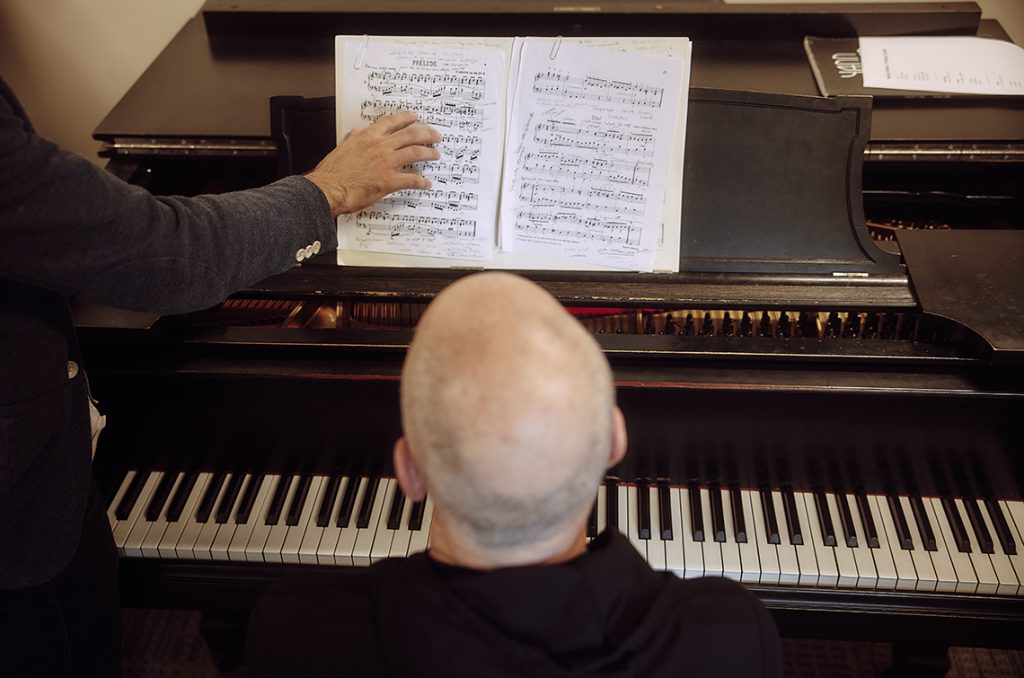
In exploring the dynamic interplay between melodies and learning, it becomes crucial to ask: how can educators and game developers fully utilize the transformative potential of music to enrich learning experiences? The answers may lie in collaborative approaches, blending creativity with educational psychology, designed to make learning not only effective but also profoundly enjoyable.
DISCOVER MORE: Click here to learn how puzzles can improve your brainpower
Unlocking Learning Potential through Musical Innovation
The integration of music into educational settings, particularly within the realm of gaming, offers a transformative approach to fostering memory retention and enhancing cognitive skills. As learners engage with interactive games, the auditory elements that accompany the gameplay can serve multiple purposes, from aiding recall to influencing emotional states. Particularly in the context of video games, the music not only enriches the sensory experience but also enhances the learning process by creating a more memorable environment.
Research shows that the human brain processes music and sound in ways that can be strategically utilized in educational settings. One intriguing phenomenon is the Mozart Effect, a theory suggesting that listening to classical music, like pieces from Mozart, can temporarily enhance cognitive function. While the extent of this effect may vary among individuals, its implications for educational game design are significant. By incorporating classical music or other thoughtfully selected soundtracks, game developers can create an environment that fosters an atmosphere conducive to learning.
Moreover, the use of melodies as structural tools in educational games allows developers to convert abstract concepts into engaging lessons, helping players grasp and retain information effortlessly. This leads to the adoption of several effective strategies in integrating music within gaming experiences:
- Rhythm-Based Learning: Games that utilize rhythm and beats can teach complex mathematical concepts or grammar rules. For instance, a rhythm game might challenge players to solve equations with the correct timing.
- Storytelling through Soundtracks: An engaging narrative can be enhanced by a compelling soundtrack, enriching the player’s emotional connection to the content. A story-driven learning game can captivate learners and make lessons unforgettable.
- Interactive Learning Modules: Platforms like Kahoot! employ musical elements within quizzes, making competitive learning engaging through the use of catchy tunes that heighten excitement and promote recall during testing.
In addition to these strategies, the psychological aspect of music must not be overlooked. Music creates associations that can greatly influence the learning experience. For instance, players who associate a particular melody with a successful problem-solving moment may find that the tone inspires confidence during future challenges. This ability of music to instill positive emotional responses can lead to higher engagement levels, particularly in educational contexts, where motivation can often wane.
Ultimately, the future of educational gaming lies in understanding how deeply intertwined memory and music can be. By harnessing the transformative power of rhythm and melodies, educators and developers alike can construct rich, immersive learning experiences that not only captivate the mind but also cultivate a lasting love for learning.
| Category | Description |
|---|---|
| Enhanced Memory Retention | Integrating melodies into gameplay can significantly boost memory retention, allowing players to recall information more effectively. |
| Engaging Learning Atmosphere | Background music creates an immersive environment that enhances focus and learning, making the gaming experience more enjoyable. |
Incorporating melodies within gaming contexts not only provides entertainment but serves a functional purpose, stimulating cognitive functions and improving the overall learning process. The strategic use of music channels emotional responses that can further enhance focus, thus aiding in complex problem-solving and retention of knowledge. This is especially crucial in educational games, where the balance between fun and learning is key for engagement.Moreover, the brain’s affinity for music creates a multisensory experience, linking sounds to actions or information, which can simplify complex concepts. Studies have found that players who engage with games enhanced by structured musical elements tend to achieve higher scores and demonstrate greater retention of tasks learned during gameplay. This phenomenon opens new avenues in educational game design, encouraging educators and developers to explore these auditory connections. By tapping into the powerful relationship between melody and memory, one can elevate the learning experience to unprecedented levels while making it a truly enjoyable journey.
DISCOVER MORE: Click here to delve into the evolution of logic puzzles
The Science of Sound: How Music Boosts Memory and Engagement
Delving deeper into the intersection of memory and music within educational gaming, it’s essential to consider the neurological impact of auditory stimuli. Studies indicate that music triggers brain responses that reinforce memory retention. The Hippocampus, a critical region involved in forming new memories, is notably responsive to musical cues. By utilizing this natural phenomenon, educational game designers can capitalize on music’s fragmentary qualities to improve information recall.
Moreover, the role of music in enhancing emotional engagement cannot be understated. The presence of music in a game can create a sense of immersion that not only captures the player’s attention but also enhances their emotional response to content. The Journal of Educational Psychology has published studies showcasing how positive emotions, often elicited by enjoyable music, lead to improved learning outcomes. When players feel emotionally connected to the game, they are more likely to absorb and retain the information presented. For instance, in history-themed games, soundtracks that reflect the era can transport players into the context, allowing them to experience the subject matter rather than merely studying it.
Gamification, which integrates game design elements into non-gaming contexts, has also seen success through the musical elements embedded in its learning structures. Interactive apps like Duolingo have embraced musical motifs to ensure that language acquisition becomes a fun and engaging experience. These apps feature melodies that help learners remember new vocabulary through catchy phrases or rhythms. The element of repetition, enhanced by musical patterns, mimics and amplifies techniques often used in traditional memorization strategies.
Innovative Examples Pioneering Music in Learning
Examining real-world applications reveals a plethora of innovative examples where music enhances gaming experiences geared toward learning:
- Musical Math Games: Titles such as “Mathletics” incorporate songs that simplify complex arithmetic operations. Players hear counting songs that correlate with the numbers they must solve, making mathematical concepts more approachable.
- Music-Based Language Learning: Games like “Rockalingua” utilize rhythmic tunes in their lessons to assist learners in mastering Spanish. The melodies create an enjoyable and memorable atmosphere that enhances language skills.
- Historical Reenactment Games: Games such as “Assassin’s Creed” engage players with soundtracks that reflect historical settings, effectively melding music with geography and historical education in a way that captivates and retains interest.
As exciting as these implementations are, game developers must strike a balance between musical innovation and functionality. The music must not overwhelm gameplay; rather, it should enhance focus and clarity of thought. Furthermore, considering the diverse preferences of players is vital, as music that resonates with one individual may be alienating to another. Personalization, therefore, becomes a crucial factor in how music is integrated into gaming experiences.
Ultimately, the incorporation of music into educational games is not merely a whimsical addition but a profound strategy grounded in cognitive research. As more developers recognize the potential that lies within melodies to enhance learning, we can anticipate a future where educational gaming becomes even more enriched through sound, creating a beautiful symphony of knowledge that players will gladly explore.
DISCOVER MORE: Click here to enhance your cognitive skills
Conclusion: The Harmonious Path to Enhanced Learning
As we’ve explored the dynamic relationship between memory and music in educational games, it becomes increasingly apparent that melodies are not just background elements; they are instrumental in facilitating cognitive development and retention. By engaging the Hippocampus and triggering emotional responses, music creates a compelling framework for learning that extends far beyond traditional methods. The scientific research backing these claims reinforces the idea that auditory stimuli can significantly increase players’ ability to absorb and retain information, demonstrating that education can indeed be both enjoyable and effective.
Innovative examples such as musical math games and language learning applications illustrate how thoughtfully integrated soundtracks and melodies can transform mundane tasks into immersive experiences. These developments not only make learning more engaging but also cater to diverse preferences and learning styles, allowing game developers to personalize experiences effectively.
In conclusion, the fusion of music and game-based learning offers a promising avenue for educational growth and engagement. Future advancements in this field will likely uncover even more creative applications that harness the power of melodies to enhance learning outcomes. As players embark on their educational journeys, they will increasingly delight in discovering that the rhythm of knowledge is as captivating as the melodies that accompany it. With ongoing research and innovation, we can look forward to a symphony of educational opportunities that bring knowledge to life in vibrant, memorable ways.