Mind Games as Therapy: Using Puzzles to Combat Anxiety and Stress
The Benefits of Puzzles for Mental Health
Anxiety and stress are predominant issues affecting many individuals in today’s fast-paced society. As people continuously seek solutions for relief, mind games, particularly puzzles, have emerged as an ingenious form of therapy. These engaging activities not only offer entertainment but also provide significant mental health advantages. Through the act of solving puzzles, individuals can experience a myriad of benefits that contribute to enhanced emotional well-being.
Distraction from Negative Thoughts
One of the primary benefits of engaging with puzzles is their ability to serve as a distraction from negative thoughts. Concentrating on the intricate details of a puzzle redirects attention and allows individuals to take a much-needed break from their stressors. For instance, while working on a jigsaw puzzle, one’s focus shifts to assembling pieces, which effectively diminishes rumination. This is particularly valuable for those who find themselves overwhelmed by anxious thoughts or external pressures.
Enhanced Problem-Solving Skills
Engaging in puzzles fosters critical thinking and problem-solving prowess. As individuals work through challenges, they not only stimulate cognitive functioning but also boost their confidence and resilience. For example, tackling a complex Sudoku or a challenging crossword can instill a sense of accomplishment upon completion. This enhanced self-efficacy is particularly beneficial for those grappling with anxiety, as it reinforces their capability to navigate difficulties in both puzzles and everyday life.
Relaxation and Mindfulness
Additionally, the repetitive actions involved in puzzle-solving can create a meditative state similar to mindfulness practices. Much like the calming effects of yoga or meditation, the concentration required for puzzles can lead to relaxation and improved focus. Engaging in these activities minimizes distractions, allowing individuals to become fully present in the moment. This state of mindfulness can result in reduced anxiety levels and increased happiness. Studies have found that even just 30 minutes of puzzle-solving can yield substantial reductions in stress hormones.
A Broad Spectrum of Options
Puzzles are incredibly versatile, catering to various preferences and skill levels, thus making them accessible to a wide audience. From jigsaw puzzles that stimulate creativity, encouraging imaginative thinking, to logic-based games like Sudoku that challenge one’s mental acuity, there is a puzzle to fit everyone’s unique needs. Popular brands like Ravensburger offer jigsaw puzzles with breathtaking designs that captivate puzzlers, while digital platforms provide dynamic crossword challenges to keep the mind engaged.
Scientific Backing and Future Exploration
Research validates the mental health benefits associated with puzzle-solving. For instance, therapeutic settings have incorporated activities such as crossword puzzles and logic games, yielding observable reductions in anxiety levels. As mental health professionals continue to explore non-traditional methods for therapy, the inclusion of puzzles indicates a promising avenue for addressing anxiety and stress. The therapeutic value embedded in mind games opens doors for wider acceptance and implementation within mental health care practices.
In summary, the exploration of how puzzles can assist in managing mental health issues is a captivating area of study. By diving deeper into these engaging challenges, individuals may discover effective tools for balancing emotional well-being. Thus, the next time anxiety creeps in, reaching for a puzzle might just provide the mental relief needed to regain a sense of calm.
DIVE DEEPER: Click here to learn more
Exploring the Therapeutic Impacts of Puzzles
Puzzles serve as more than just an enjoyable pastime; they represent a gateway to managing anxiety and stress in an increasingly chaotic world. This unique form of therapy harnesses the power of mind games to effectively combat mental strain. Understanding how puzzles can contribute positively to mental health requires a closer examination of the components involved in their operation, including cognitive engagement, emotional release, and social interaction.
Cognitive Engagement and Neuroplasticity
Taking time to solve puzzles engages various cognitive functions, including memory, attention, and reasoning. This mental workout promotes neuroplasticity, the brain’s ability to reorganize itself by forming new neural connections. Studies have indicated that consistent engagement in cognitive games may help reduce the risk of cognitive decline and improve overall mental agility. By training the brain through puzzles, individuals can not only alleviate symptoms of anxiety but also enhance their mental sharpness for the future. For example, engaging in complex puzzles can activate areas of the brain associated with problem-solving, stimulating creativity, and lateral thinking.
Emotional Release Through Achievement
Each completed puzzle offers a sense of accomplishment, which can dramatically uplift a person’s mood. This concept parallels the psychological principle of positive reinforcement; as individuals complete each task, they receive an emotional reward that can counterbalance feelings of anxiety. The act of fitting pieces together or arriving at the correct answer in a riddle releases endorphins, the body’s natural feel-good chemicals. This emotional boost can act as a natural antidote to the negative emotions often triggered by stress or anxious situations.
Social Connectivity and Shared Experiences
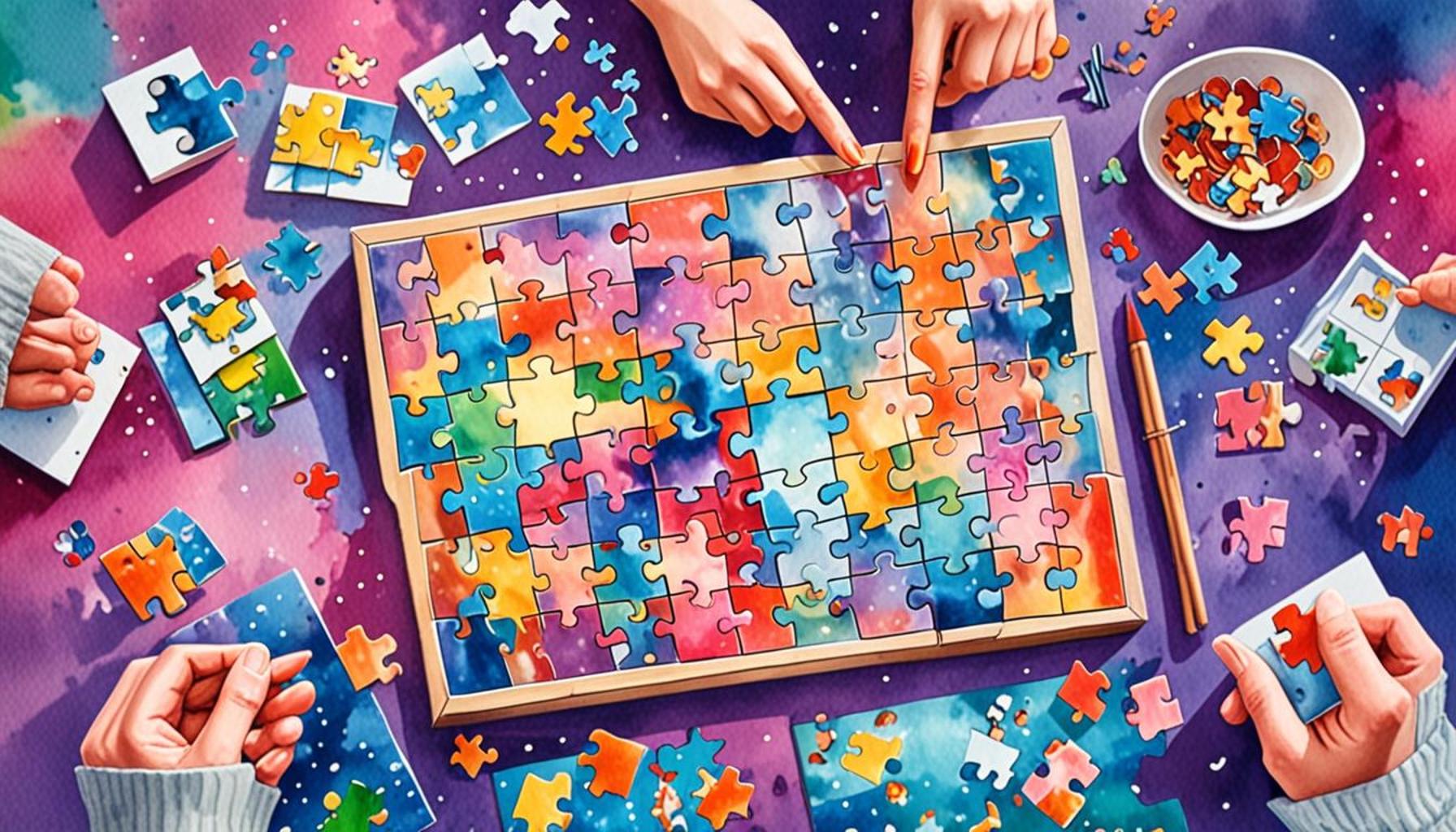
Puzzles often invite collaboration and teamwork, creating opportunities for social interaction. Whether working on a jigsaw puzzle with family or engaging in friendly competition over a crossword puzzle with friends, these shared experiences foster a sense of belonging and reduces feelings of isolation. The simple act of coming together to solve a problem can strengthen relationships and provide emotional support. Moreover, the laughter and lighthearted conversations that arise during such activities can create a more relaxed atmosphere, further mitigating stress levels.
Types of Puzzles to Consider
The world of puzzles is vast, with options that cater to different tastes and preferences. Here are some popular types that can be particularly beneficial for mental well-being:
- Jigsaw Puzzles: Great for fostering creativity and visual-spatial awareness.
- Crossword Puzzles: Engage verbal skills and enhance vocabulary, perfect for literary minds.
- Sudoku: Excellent for numerical engagement and logical thinking, helping to sharpen reasoning abilities.
- Logic Puzzles: Challenge deductive reasoning and enhance critical thinking.
- Online Puzzle Games: Provide convenience and instant access to a variety of challenges.
As the therapeutic value of mind games becomes more recognized, the availability of puzzles in diverse formats continues to grow. Exploring these options means individuals can choose the kinds that resonate most with them, ensuring a more individualized and impactful experience. The bridge between leisure activity and mental wellness is becoming increasingly evident, as puzzles emerge as a vital resource in the fight against anxiety and stress.
Exploring the Benefits of Puzzles in Therapy
Engaging with puzzles—ranging from crosswords to Sudoku and jigsaws—can yield profound therapeutic effects, especially for those grappling with anxiety and stress. Studies suggest that the act of solving puzzles can stimulate both the brain and emotions, creating a sense of accomplishment and mindfulness that is often elusive in today’s fast-paced world. By focusing intently on a problem, individuals can temporarily divert their minds from stressors, leading to a reduced level of anxiety and a renewed sense of focus.Beyond distraction, the act of piecing together a puzzle encourages what psychologists refer to as “flow.” This state of being completely immersed in an activity can enhance feelings of happiness and contentment. Puzzles can also promote cognitive resilience, as they challenge the brain, improving memory and problem-solving skills. As a result, not only do individuals feel better emotionally, but they also bolster their mental agility, equipping them to handle challenges they may face in daily life.The collaborative aspect of puzzle-solving can also be particularly beneficial for those experiencing social anxiety or isolation. Working together on a puzzle can foster connections and encourage communication, helping individuals to feel less alone in their struggles. Therefore, incorporating puzzles into therapeutic practices presents a compelling option for enhancing mental wellness.
| Category | Benefits |
|---|---|
| Cognitive Engagement | Stimulates brain activity and enhances problem-solving skills. |
| Emotional Release | Offers a distraction from daily stressors and promotes feelings of achievement. |
| Social Interaction | Encourages collaboration and communication, reducing feelings of isolation. |
As we dive deeper into the intricacies of mind games and their applications for therapy, it becomes increasingly clear that integrating puzzles into mental health practices can yield valuable benefits for individuals navigating the complexities of anxiety and stress. By promoting a blend of cognitive and emotional engagement, puzzles may very well be the key to unlocking therapeutic relief.
Dive Deeper: Click here to enhance your problem-solving skills
The Science Behind Puzzles and Mental Health
The effects of puzzles on mental health are not merely anecdotal; they are supported by a growing body of scientific research. Engaging in mind games like puzzles can trigger physiological changes that promote relaxation and reduce anxiety levels. A notable study published in the journal Psychological Science revealed that solving puzzles can lead to an increase in alpha brain wave activity, which is associated with a state of calmness and relaxation. This finding highlights how a simple activity like piecing together a puzzle can foster mental well-being.
The Role of Mindfulness in Puzzle Solving
Mindfulness has gained significant traction as a mental health strategy, and puzzles naturally lend themselves to this practice. As individuals focus on each piece or step, they are practicing mindfulness by immersing themselves in the present moment. This act of concentrated attention can serve as a form of meditation, allowing anxiety-provoking thoughts to drift away, if only temporarily. Not only does this practice reduce stress, but it also cultivates a greater sense of awareness and appreciation for one’s environment, which can be particularly beneficial in today’s distracting world.
Puzzles as Tools for Emotion Regulation
Puzzles can serve as effective tools for emotion regulation. During times of high stress or anxiety, immersing oneself in puzzles can distract the mind from negative feelings. A study by the American Psychological Association indicates that activities reinforcing problem-solving skills can lead to better emotional regulation over time. By utilizing puzzles as a coping mechanism, individuals can develop healthier behavioral responses to stressors, allowing them to navigate life’s challenges with greater ease.
Adapting Puzzles for Personalized Therapy
As interest in puzzles continues to grow, the variety of customizable options available also expands. Individuals can tailor their puzzle experiences according to their preferences and emotional needs. For example, some may opt for complex jigsaw puzzles with intricate designs to engage deeply with creativity, while others might gravitate towards simple crossword puzzles that promote relaxation. Additionally, differentiating puzzles for particular mental health challenges can enhance their therapeutic effectiveness. For instance, puzzles designed around calming themes—think nature scenes or calming colors—can offer targeted benefits for those experiencing heightened anxiety.
The Expanding Community of Puzzle Enthusiasts
With the rise of social media and online forums, the community of puzzle enthusiasts is rapidly growing, creating a sense of belonging and shared knowledge. Popular platforms such as Reddit and Facebook groups allow individuals to connect, share strategies, and explore new puzzles that align with their interests and stress-relief goals. Joining such communities can enhance the therapeutic effects of puzzles, offering social support and encouraging individuals to engage in puzzle-solving regularly. This collective reinforcement serves to not only reduce isolation but also fosters a sense of encouragement as individuals witness each other’s journeys towards reducing anxiety and stress.
As the links between mind games and therapy are continually unveiled, the therapeutic potential of puzzles represents an accessible and enjoyable option for those seeking relief from anxiety and stress. The beauty of puzzles lies in their ability to serve multifaceted roles in mental wellness, acting as practical tools for emotional regulation, cognitive engagement, and social connectivity.
DIVE DEEPER: Click here to discover the evolution of logic puzzles
Conclusion: The Therapeutic Potential of Puzzles
In today’s fast-paced world, the quest for effective strategies to combat anxiety and stress has led to the remarkable exploration of puzzles as therapeutic tools. From enhancing mindfulness to aiding in emotion regulation, the multifaceted benefits that arise from engaging in puzzles are increasingly supported by scientific research. The simplicity of piecing together a jigsaw or completing a crossword is often underestimated; yet these activities can invoke physiological changes, foster social connections, and cultivate resilience against life’s challenges.
The customizable nature of puzzles allows for tailored experiences based on individual preferences, enhancing their effectiveness as coping mechanisms. This flexibility empowers individuals to select puzzles that resonate with their emotional needs, further supporting the journey towards mental well-being. Moreover, the burgeoning community of puzzle enthusiasts offers camaraderie, encouraging regular participation and shared experiences that amplify the therapeutic effects.
Recognizing puzzles as a form of playful therapy transforms how we perceive mental health management. They invite us to engage actively in a process that not only distracts from distressing thoughts but can also strengthen our problem-solving skills and emotional responses over time. As further research unfolds, the integration of mind games like puzzles into conventional therapeutic practices may pave the way for innovative approaches to achieving mental wellness. Embracing these intriguing tools can lead to healthier minds and happier lives—one piece at a time.