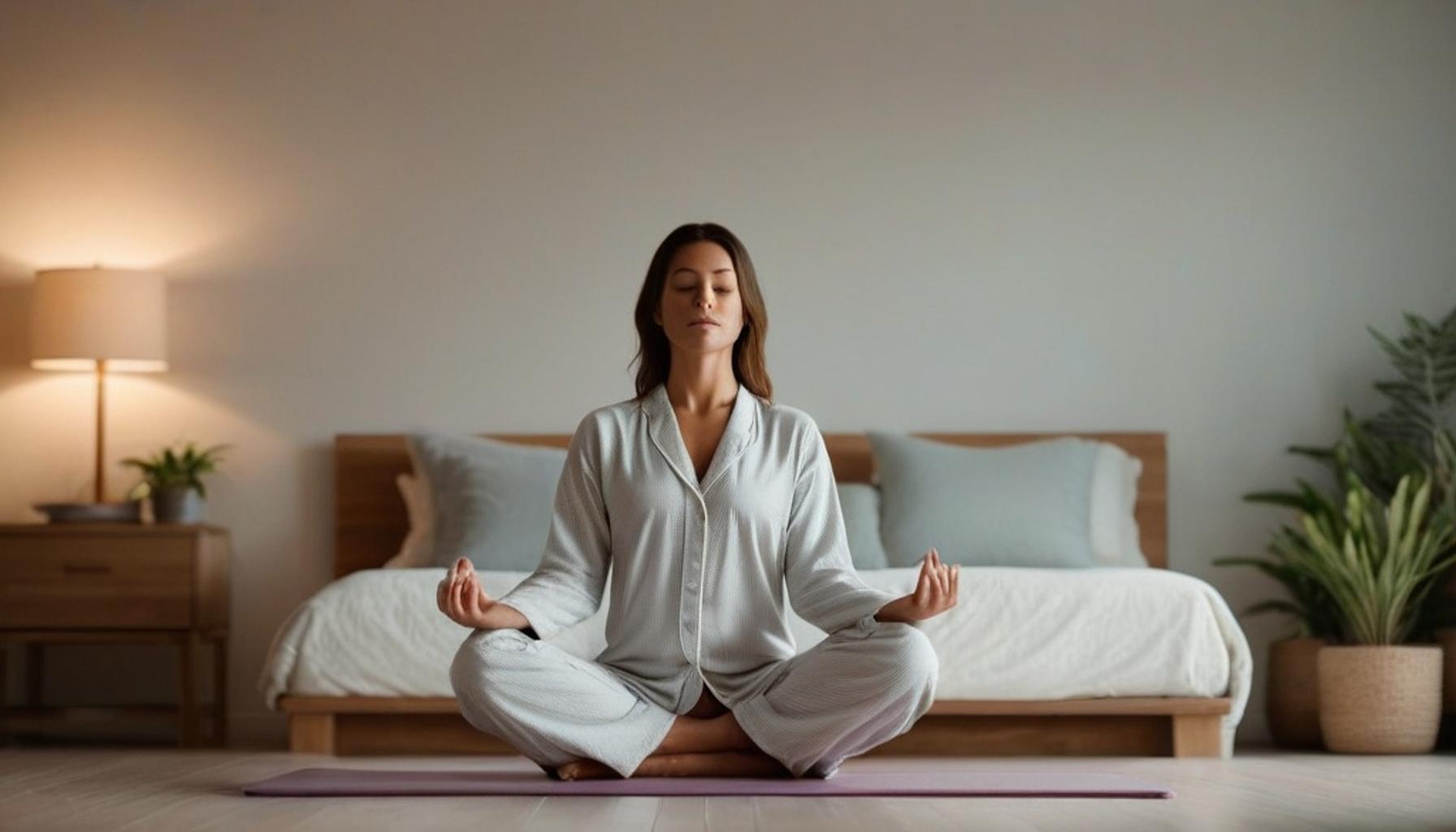
Mindfulness Techniques to Promote Restorative Sleep
Why Millions of Americans Are Turning to Mindfulness for Better Sleep
At 2 a.m., roughly one-third of American adults are staring at the ceiling instead of sleeping soundly. The Centers for Disease Control and Prevention reports that over 70 million Americans struggle with chronic sleep issues, and traditional remedies aren’t always cutting it.
Enter mindfulness techniques for sleep — a research-backed approach gaining traction from Seattle wellness clinics to New York sleep labs. This isn’t about incense and chanting; it’s about rewiring how your brain approaches rest.
What Makes This Approach Different
Unlike sleeping pills that force unconsciousness, sleep meditation techniques work with your nervous system’s natural rhythms. Studies from institutions like Harvard Medical School show mindfulness practices can reduce the time it takes to fall asleep by nearly 50% in some participants.
Here’s what these practices typically target:
- Racing thoughts that hijack bedtime
- Physical tension stored in the body
- Anxiety about sleep itself, ironically the biggest sleep-killer
- Disrupted circadian signals from screen time and stress
The Rise of a Nationwide Sleep Crisis
America’s relationship with sleep has been fractured for decades. Between the hustle culture glorified in cities like Chicago and Austin, the average commute times stretching well beyond thirty minutes, and screens illuminating bedrooms until midnight, it’s no wonder insomnia rates have climbed steadily since the early 2000s. The National Sleep Foundation notes that nearly half of all Americans report feeling drowsy during the day at least a few times per week, directly impacting productivity, mood, and even car accident rates.
What’s fascinating is how this crisis has pushed both scientists and everyday people toward solutions that don’t involve a prescription pad. Mindfulness, once relegated to yoga studios and meditation retreats, has moved into mainstream medicine. Major hospital systems, including the Cleveland Clinic and Mayo Clinic, now incorporate mindfulness-based stress reduction programs specifically designed to address sleep disturbances.
What This Article Covers
Understanding how to improve sleep with mindfulness requires more than good intentions — it demands practical, testable strategies. This guide breaks down specific mindfulness exercises for better sleep that fit into real American schedules, from busy parents in suburban Ohio to night-shift nurses in Los Angeles hospitals.
You’ll discover the science-backed benefits of mindfulness for sleep, plus step-by-step restorative sleep practices you can start tonight. These techniques range from body-scan meditations that take less than ten minutes to breathing patterns borrowed from clinical anxiety treatment programs.
No expensive apps or hour-long rituals required — just techniques that actually work, backed by data from sleep researchers who’ve spent years studying why so many Americans lie awake long after they’ve turned off the lights.
LEARN MORE: The importance of sleep routine for mental and emotional health
# The Science Behind Why Your Brain Won’t Shut Off
Here’s something most sleep-deprived Americans don’t realize: the harder you try to force sleep, the more your nervous system resists it. This is where mindfulness techniques for sleep flip the script entirely.
Your brain has a built-in alarm system called the sympathetic nervous system. It’s meant to protect you from danger, but in the context of modern life — deadlines in Atlanta boardrooms, notifications buzzing at midnight in Denver apartments — it stays activated long after any real threat has passed. This is the biological reason so many people lie awake replaying tomorrow’s to-do list instead of drifting off.
What’s fascinating is how universal this pattern has become across the country. From late-night scrollers in Chicago high-rises to parents juggling school schedules in suburban Texas, the same neurological loop plays out night after night. The body interprets unfinished mental tasks as unresolved threats, and until that perception shifts, deep rest simply cannot take hold. Understanding this mechanism is the first step toward interrupting it.
The Body-Brain Connection Sleep Doctors Are Watching Closely
Researchers at Stanford’s Sleep Medicine Center have found that sleep meditation techniques work by directly activating the parasympathetic nervous system — essentially flipping the switch from “alert mode” to “rest mode.” This isn’t a placebo effect. Functional MRI scans show measurable decreases in amygdala activity, the brain region responsible for stress responses, after consistent mindfulness practice.
The physical markers are equally telling. Regular practitioners of mindfulness-based sleep interventions show:
- Lower cortisol levels measured in evening saliva tests
- Reduced heart rate variability associated with anxiety
- Decreased muscle tension in the jaw, shoulders, and lower back
- Slower, more regulated breathing patterns before sleep onset
These aren’t subtle shifts buried in academic jargon. Sleep clinics from Boston to Portland are now incorporating biofeedback devices that let patients watch their own nervous system calm down in real time, reinforcing the idea that this is measurable physiology, not wishful thinking. Some clinicians describe it as giving patients visible proof that their body can, in fact, be persuaded to stand down.
Learning How to Improve Sleep With Mindfulness Starts With Awareness
Most people assume mindfulness means emptying the mind completely. That’s a myth that stops many Americans before they even try. The real goal of restorative sleep practices is noticing thoughts without engaging with them, letting mental chatter pass through like traffic outside a window rather than wrestling it into silence.
A 2019 study published in JAMA Internal Medicine tracked participants with moderate insomnia across cities including Pittsburgh and San Diego. Those practicing structured mindfulness exercises for six weeks reported significantly less fatigue, depression, and daytime sleepiness compared to a control group following standard sleep hygiene advice alone.
Interestingly, researchers noted that participants who initially struggled the most with racing thoughts often saw the biggest improvements once they stopped trying to suppress those thoughts and instead practiced simply observing them. That subtle mental shift — from control to acceptance — appears to be the real turning point, and it’s one that talk therapy alone rarely addresses as directly.
What makes this particularly relevant now is accessibility. You don’t need a therapist’s office or a $200 retreat weekend. The benefits of mindfulness for sleep extend to anyone willing to spend ten focused minutes practicing before bed, whether that’s in a cramped city apartment or a quiet suburban guest room.
Free apps, guided recordings, and even simple breath-counting exercises have made these techniques available to virtually anyone with a smartphone. That democratization matters, especially considering that sleep specialists nationwide report waitlists stretching months in some regions.
The next section breaks down exactly which techniques deliver the fastest, most measurable results.
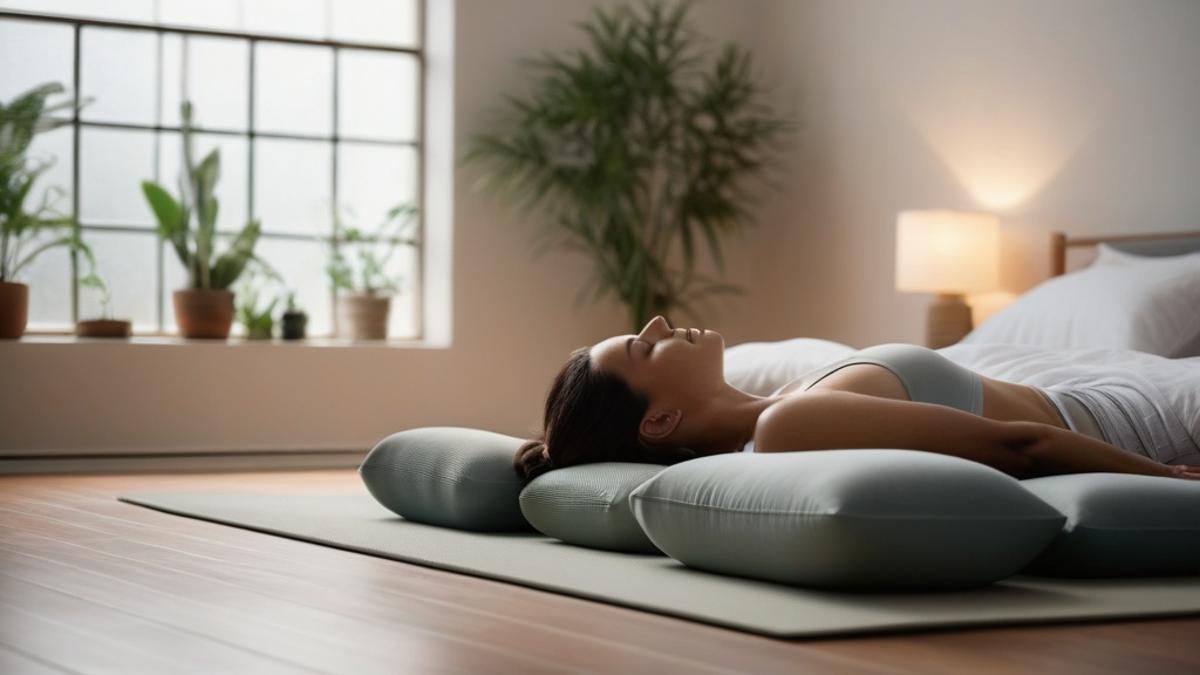
DIVE DEEPER: Click here to learn about meditation’s role in stress management
# Five Mindfulness Techniques Sleep Specialists Actually Recommend
Not every technique labeled “mindfulness” delivers the same results. Sleep researchers have spent the last decade isolating which practices produce measurable changes versus those that simply sound calming without altering brain activity.
Here’s what actually holds up under clinical scrutiny.
Body Scan Meditation: The Technique With the Strongest Evidence
Body scan meditation consistently ranks among the most effective mindfulness exercises for better sleep in controlled studies. The practice involves mentally moving attention through each part of the body, from toes to scalp, noticing sensation without judgment.
A study conducted through the University of Massachusetts Medical School found participants who practiced 15-minute body scans before bed fell asleep an average of 19 minutes faster than those who didn’t. That’s not a marginal difference for someone who’s been staring at their ceiling fan since 11 p.m.
What makes this technique effective isn’t relaxation alone. It’s the redirection of attention away from anxious thought loops and toward physical sensation, something researchers call “interoceptive awareness.”
The 4-7-8 Breathing Method Gaining Traction Nationwide
Popularized by Dr. Andrew Weil, this breathing pattern has spread from wellness circles in California to hospital patient handouts in the Midwest. The method is simple: inhale for four seconds, hold for seven, exhale for eight.
The extended exhale is key. It triggers the vagus nerve, which directly signals the parasympathetic nervous system to slow heart rate and lower blood pressure. Unlike other sleep meditation techniques, this one requires no app, no quiet room, and works even in noisy environments like shared apartments or hotel rooms during travel.
Progressive Muscle Relaxation for Physical Tension
For people carrying stress in their shoulders, jaw, or lower back — a common complaint among desk workers from Seattle to Miami — progressive muscle relaxation targets the physical side of insomnia rather than just the mental one.
The technique involves tensing each muscle group for five seconds, then releasing, working systematically from feet to face. Clinical trials show this practice reduces sleep onset latency significantly among people with stress-related insomnia.
Loving-Kindness Meditation: An Unexpected Contender
Originally used for emotional regulation, loving-kindness meditation has surprised researchers with its sleep benefits. A study published in the Journal of Clinical Psychology found participants practicing this technique reported improved sleep quality within just two weeks.
The practice involves silently directing goodwill toward yourself and others. Unlike techniques focused purely on physical relaxation, this approach addresses the emotional rumination — resentment, worry, unresolved conflict — that often keeps minds racing at 2 a.m.
Putting It Into Practice Tonight
Learning how to improve sleep with mindfulness doesn’t require mastering all five techniques simultaneously. Sleep therapists typically recommend choosing one method and practicing it consistently for at least two weeks before evaluating its effectiveness.
Consider starting with these steps:
- Choose one technique based on your primary sleep struggle — racing thoughts, physical tension, or emotional stress
- Practice at the same time each night to build a consistent cue for your nervous system
- Track sleep onset time using a simple journal or smartphone app
- Avoid switching techniques too quickly; consistency matters more than variety
The restorative sleep practices that work best are rarely the most complicated ones. They’re the ones practiced consistently, night after night, until the nervous system learns what’s coming next.
DISCOVER MORE: Click here to learn about meditation in stress management
The Bottom Line on Mindfulness and Sleep
Roughly 70 million Americans deal with chronic sleep problems, according to the CDC. Sleeping pills remain the default fix for many, but they come with dependency risks and diminishing returns over time. Mindfulness offers something different: a trainable skill rather than a temporary chemical fix.
The research is clear that Mindfulness Techniques for Sleep work by targeting the nervous system directly, not by forcing rest through sedation. Body scans redirect attention. Breathing patterns slow the heart. Muscle relaxation releases physical tension. Loving-kindness meditation quiets emotional noise. Each technique addresses a different root cause of sleeplessness, which explains why no single method works universally.
This is worth remembering before dismissing an approach after one or two attempts. Someone dealing with racing thoughts about work deadlines might find more relief with loving-kindness meditation than with progressive muscle relaxation, while someone with physical tension from hours at a desk may see the opposite result.
The benefits of mindfulness for sleep extend beyond faster sleep onset. Regular practice has been linked to reduced nighttime awakenings, improved mood the following day, and lower cortisol levels overall — effects that compound over weeks, not overnight.
For readers wondering how to improve sleep with mindfulness without overhauling their entire routine, the answer lies in small, repeatable action. Five minutes of focused breathing tonight matters more than an hour-long session attempted once a month.
Consider this a starting point rather than a finish line. As sleep science continues to evolve, these restorative sleep practices are likely to become as commonplace as brushing your teeth before bed — quiet, unremarkable habits with an outsized impact on how rested you feel tomorrow.
Frequently Asked Questions
How long before bed should I practice mindfulness techniques for sleep?
Start winding down about 20 to 30 minutes before your intended bedtime to give your mind and body enough time to shift into a relaxed state. This window allows practices like body scans or breathing exercises to lower your heart rate and quiet racing thoughts. Consistency at the same time each night also helps train your body to associate mindfulness with sleep onset.
What is the most effective mindfulness technique for people who wake up frequently during the night?
The body scan meditation is particularly effective for middle-of-the-night wakefulness because it redirects attention away from anxious thoughts and toward physical sensations. Lying still and mentally scanning from your toes to your head helps activate the parasympathetic nervous system, making it easier to drift back to sleep. Pairing this with slow diaphragmatic breathing can further reduce the mental chatter that often keeps people awake.
Can mindfulness techniques for sleep help with insomnia caused by stress or anxiety?
Yes, mindfulness techniques such as progressive muscle relaxation and guided breath awareness are widely used to interrupt the stress response that fuels insomnia. By focusing attention on the present moment instead of worries about tomorrow, these practices lower cortisol levels and calm an overactive nervous system. Regular practice over several weeks tends to produce more noticeable improvements than a single session.
Do I need an app or guided audio to practice mindfulness for restorative sleep, or can I do it on my own?
You can absolutely practice mindfulness for sleep without any app by simply focusing on your breath, doing a mental body scan, or silently repeating a calming phrase. However, guided audio or apps can be helpful for beginners who find it hard to stay focused or fall into unhelpful thought loops. Ultimately, the best method is whichever one you can practice consistently and comfortably each night.

Linda Carter
Linda Carter is a writer specializing in healthy habits and balanced living. With extensive experience helping readers build sustainable routines, she shares practical guidance on nutrition, physical activity, quality sleep, stress management, and emotional well-being. Her goal is to offer simple, accessible strategies that inspire people to care for their health and enjoy a more balanced life.