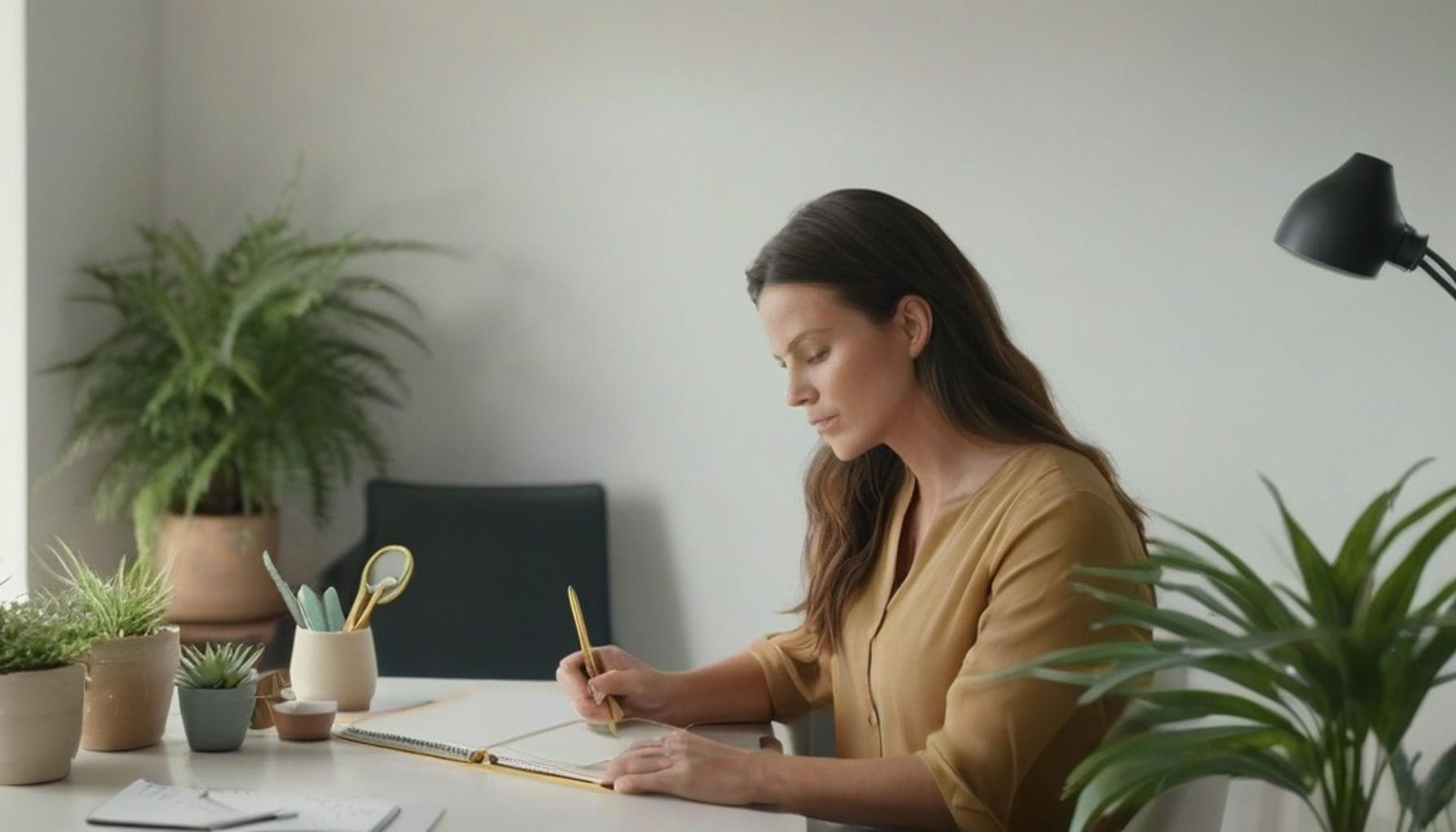
Creating a Stress-Free Environment: Organizing Your Space for Better Mental Health
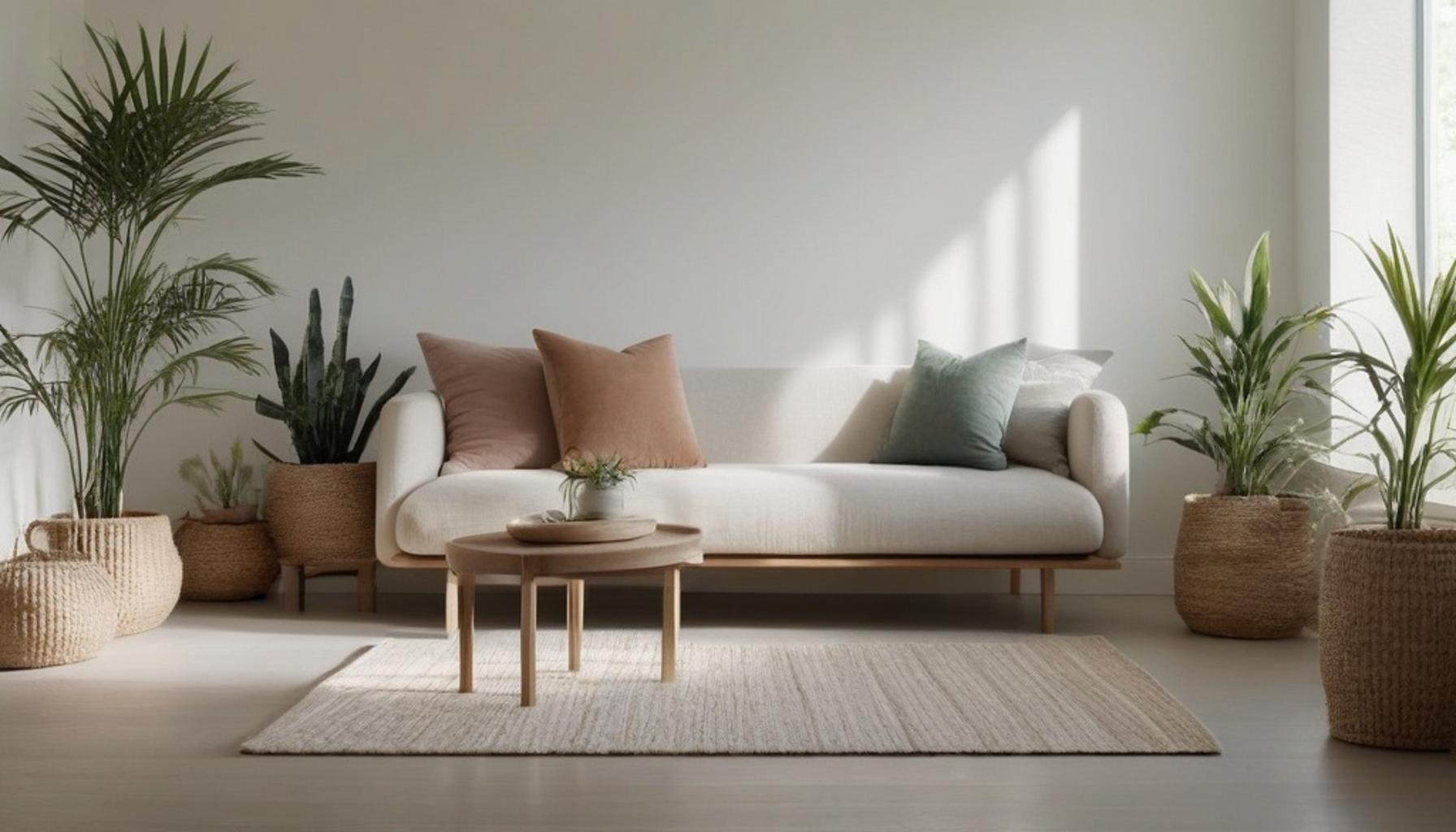
Why Your Surroundings Shape Your State of Mind
Clutter is more than an eyesore—it’s a silent stressor. Studies from Princeton University’s Neuroscience Institute found that visual clutter competes for attention, making it harder to focus and process information. Your living room, bedroom, or home office might be quietly draining your mental energy right now.
Across the United States, more people are discovering that a stress-free environment isn’t a luxury—it’s a mental health necessity. From cramped city apartments to sprawling suburban homes, the connection between physical space and emotional well-being is impossible to ignore.
The Hidden Cost of a Chaotic Space
Disorganization does more than waste time searching for keys or paperwork. Research links cluttered environments to elevated cortisol levels, the hormone responsible for chronic stress. A study published in the Personality and Social Psychology Bulletin even found that women who described their homes as “cluttered” or “full of unfinished projects” had higher cortisol levels throughout the day compared to those who described their homes as “restful” and “restorative.”
This matters because chronic stress doesn’t just make you feel tense—it has measurable physical consequences. Elevated cortisol has been associated with weight gain, weakened immune function, and even memory problems over time. In other words, that pile of laundry on the chair or the stack of mail on the kitchen counter could be doing more damage than you realize.
Consider what a disorganized space can trigger:
- Increased anxiety and difficulty relaxing at home
- Reduced productivity and mental fatigue
- Poor sleep quality due to a chaotic bedroom
- Feelings of being overwhelmed or out of control
Many Americans juggling remote work, family responsibilities, and packed schedules may not even connect their irritability or exhaustion to their physical surroundings. Yet therapists and organizational psychologists increasingly point to the home environment as an overlooked factor in everyday mental health struggles.
What This Article Will Cover
This guide explores practical, science-backed strategies for organizing your space to support emotional balance. You’ll discover how to declutter for mental clarity, room by room, without feeling overwhelmed by the process. Rather than promoting extreme minimalism, this approach focuses on realistic, sustainable habits that fit into busy American lifestyles.
We’ll also examine the importance of a calm space in daily routines and share better mental health tips rooted in home organization for mental wellness. Whether you’re working with a studio apartment or a four-bedroom house, these insights apply to real American lifestyles.
By the end of this guide, you’ll have a clearer picture of how small, intentional changes to your environment can lead to noticeable shifts in mood, focus, and overall well-being—proving that sometimes, the path to a calmer mind starts with a cleaner countertop.
YOU MAY ALSO LIKE: The Role of Physical Activity in Reducing Stress Levels
The Psychology Behind Physical Space and Emotional Balance
Before diving into practical solutions, it helps to understand why organizing your space has such a profound effect on the brain. Neuroscientists explain that our visual cortex processes every object in our field of view, even the ones we’re not consciously focused on. A messy kitchen counter or an overflowing closet isn’t just background noise—it’s actively competing for your brain’s limited attention resources.
Princeton University researchers demonstrated this phenomenon using functional MRI scans, discovering that when multiple objects compete for attention within the visual field, they literally restrict the brain’s ability to concentrate. In practical terms, that pile of mail on your kitchen table or the tangle of cables behind your television isn’t a harmless eyesore—it’s siphoning off cognitive resources you could be using for work, creativity, or genuine rest.
This constant background processing is exhausting. It’s the reason many people feel inexplicably drained after spending time in a disorganized room, even if they weren’t actively cleaning or working. The brain is essentially multitasking without permission, trying to filter out visual chaos while you attempt to relax, read, or hold a conversation. Over time, this low-grade mental effort accumulates, contributing to what many describe as a persistent, hard-to-pinpoint sense of fatigue.
How Clutter Triggers the Stress Response
When your environment feels out of control, your nervous system often interprets it as a threat—even if there’s no immediate danger. This activates the same fight-or-flight response triggered by more obvious stressors, like a looming work deadline or a difficult conversation. Cortisol, the body’s primary stress hormone, can rise in response to visual disorder just as it would during a tense meeting or a traffic jam on the highway.
Researchers at UCLA’s Center on Everyday Lives and Families spent years studying middle-class American families and their relationship with household clutter. Their findings revealed that women who felt their homes were disorganized were more likely to experience depressive symptoms and fatigue, while men in the same households showed less emotional reactivity to clutter—though productivity still suffered for everyone involved.
Interestingly, the study also found that families with more visible clutter had higher levels of cortisol throughout the day, suggesting that the stress response wasn’t limited to moments of active frustration—it lingered passively in the background, much like the visual processing burden researchers at Princeton identified.
This gender difference is worth noting, but the broader takeaway applies universally: a stress-free environment isn’t just about aesthetics. It’s about creating a physical space that supports, rather than sabotages, your nervous system. Consider how a cluttered home office might make it harder to focus during a video call, or how a chaotic bedroom could interfere with the wind-down process before sleep.
Signs Your Space Might Be Affecting Your Mood
Not everyone realizes how much their surroundings influence their emotional state. Here are common indicators that your environment could be contributing to unnecessary stress:
- You feel a wave of relief when leaving your home, rather than comfort when returning
- Simple tasks like finding clothes or paperwork take longer than they should
- You avoid inviting friends or family over due to embarrassment about the mess
- Your mind feels “busy” or unsettled even during downtime at home
- You frequently misplace important items, adding daily frustration
- You experience a subtle sense of guilt or unfinished business whenever you glance around a room
If several of these resonate with you, it’s likely that your space is working against your mental health rather than supporting it. The good news is that home organization for mental wellness doesn’t require a complete overhaul or an expensive renovation. Even modest changes, like clearing a single countertop or designating a specific spot for keys and mail, can send a signal to your brain that order is possible and within reach.
Small, strategic changes—grounded in an understanding of how your brain responds to order versus chaos—can shift your daily experience significantly. The following sections will break down exactly how to declutter for mental clarity, starting with the areas of your home that have the biggest psychological impact, and offering realistic, sustainable strategies rather than quick fixes that rarely last.
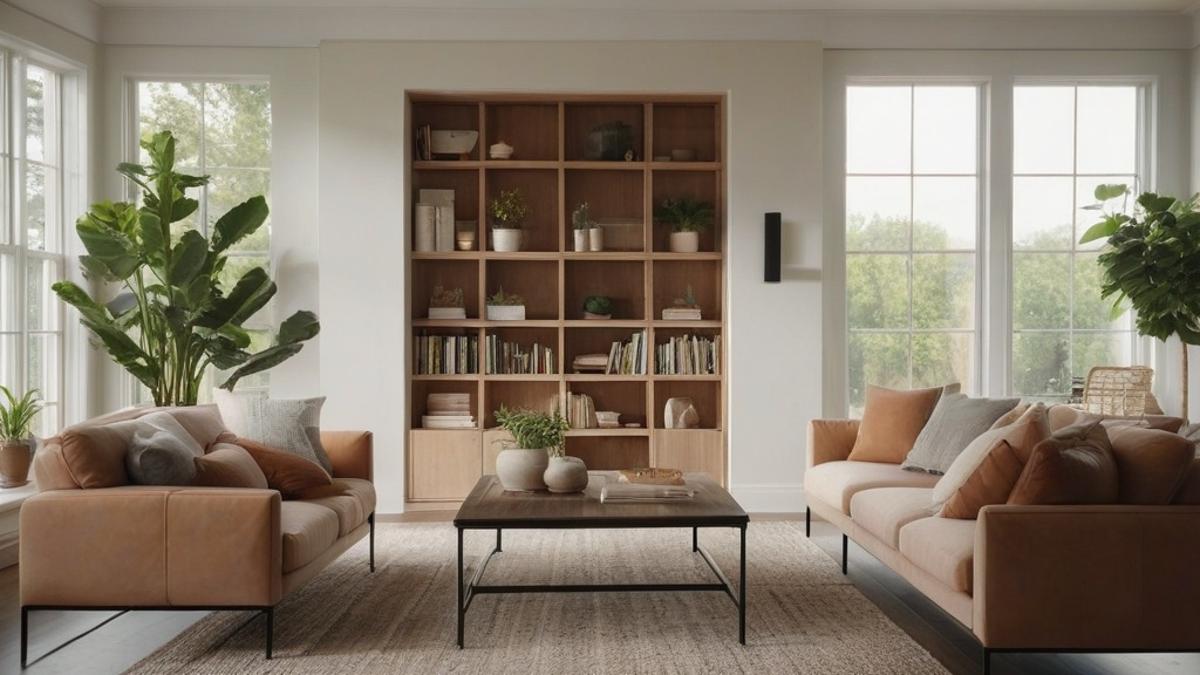
Key Elements That Shape a Stress-Free Environment
Building a genuinely stress-free environment requires more than a quick tidy-up; it demands intentional choices about layout, light, and sensory input. Research on home organization for mental wellness shows that specific physical changes directly influence cortisol levels and focus. Below is a breakdown of the core aspects that matter most when organizing your space for lasting calm.
| Category | Key Benefits & Aspects |
|---|---|
| Decluttering Zones | Reduces visual noise; supports declutter for mental clarity and faster decision-making. |
| Natural Light Access | Boosts serotonin, regulates sleep cycles, and enhances mood stability. |
| Color Psychology | Soft blues and greens lower heart rate, reinforcing the importance of a calm space. |
| Functional Furniture Layout | Improves flow, minimizes clutter buildup, and encourages daily upkeep. |
| Digital & Paper Systems | Cuts mental overload, one of the most overlooked better mental health tips. |
YOU MAY ALSO LIKE: The importance of meditation in stress management for a balanced life
Room-by-Room Strategies for a Calmer Mind
Once you understand why clutter weighs so heavily on the brain, the next logical step is identifying where to start. Not all rooms carry the same psychological weight. Organizational psychologists suggest prioritizing spaces where you spend the most mental energy, rather than tackling your home in random order.
The bedroom is often the first place experts recommend addressing when organizing your space for better sleep and lower anxiety. A 2015 poll by the National Sleep Foundation found that people who made their beds every morning were 19 percent more likely to report consistently good sleep. Researchers believe this isn’t about the bed itself, but about the ritual of order it establishes before the day even begins.
Bedrooms cluttered with laundry piles, electronics, or unfinished projects can quietly interfere with the body’s ability to transition into rest mode. Sleep specialists often recommend removing visual reminders of work or unfinished tasks from the bedroom entirely, reserving the space almost exclusively for rest and relaxation.
Beyond the bed itself, nightstands deserve special attention. Many Americans unknowingly turn this small surface into a miniature command center, stacked with chargers, half-read paperbacks, water glasses, and stray receipts. Feng shui practitioners and sleep researchers alike suggest keeping nightstands down to two or three items maximum. This isn’t about superstition—it’s about reducing the number of visual cues your brain has to process right before you close your eyes. Even something as small as a glowing phone screen on a cluttered nightstand can trigger a subtle stress response that delays the onset of deep sleep.
The Kitchen: A Hidden Source of Daily Tension
Kitchens tend to accumulate clutter faster than almost any other room, thanks to mail, school papers, gadgets, and food packaging. Because this space is used multiple times a day, disorganization here creates repeated friction—small annoyances that build up over time.
A study published in the journal Environment and Behavior found that women who described their kitchens as cluttered had higher cortisol levels throughout the day compared to those who described their kitchens as orderly and restful. This reinforces the idea that a stress-free environment isn’t limited to the bedroom or living room—it extends to the spaces where daily routines unfold.
Simple systems, such as a designated mail basket or a weekly countertop reset, can prevent the kind of chronic low-level stress that builds in high-traffic areas.
Refrigerator doors are another overlooked stress zone. What starts as a single school flyer or takeout menu often multiplies into a chaotic collage of magnets, coupons, and outdated reminders. Professional organizers frequently suggest limiting refrigerator displays to a single rotating calendar or whiteboard, replacing the scattered paper trail with one clear, updated source of information. Pantries and cabinets benefit from the same logic: clear bins, labeled shelves, and grouping similar items together can transform meal prep from a scavenger hunt into a straightforward task, cutting down on the kind of decision fatigue that accumulates after a long workday.
Workspaces and the Cost of Visual Noise
For millions of Americans working from home, the home office has become ground zero for stress-related clutter. A cluttered desk can reduce productivity by making it harder to locate documents, but it also has a measurable psychological cost.
Research from the Harvard Business Review found that employees with organized, minimal desks reported significantly higher focus and lower frustration during tasks requiring deep concentration. This aligns with better mental health tips commonly given by workplace wellness consultants: keep only what you’re actively using within arm’s reach, and store everything else out of sight.
Practical steps for creating calmer workspaces include:
- Limiting desktop items to no more than five regularly used objects
- Using vertical storage to reduce visual footprint on desks
- Establishing a nightly five-minute reset routine before logging off
- Keeping cords and cables bundled and out of the visual field
These adjustments underscore the importance of a calm space not just for aesthetics, but for measurable improvements in concentration and emotional steadiness throughout the workday.
Lighting also plays a role that often gets overlooked in conversations about workspace clutter. Harsh overhead lighting combined with a chaotic desk can amplify feelings of overwhelm, while a single desk lamp paired with a tidy surface tends to create a narrower, more manageable field of focus. Some workplace wellness consultants even recommend a “closed-door test”: if you wouldn’t want a colleague walking in unannounced, your workspace likely has more visual noise than your brain can comfortably filter. Addressing this, even in small increments, can make the difference between a workday that feels manageable and one that feels perpetually behind schedule.
CHECK OUT: Personal organization strategies to minimize daily stress
Small Changes, Lasting Calm
The evidence is clear: the spaces we live in are never neutral. Every countertop, nightstand, and desk either feeds stress or quiets it. Building a stress-free environment doesn’t require a total home renovation or a weekend spent binge-watching decluttering shows. It requires consistent, small decisions that accumulate into a calmer daily rhythm.
What makes this approach so practical is its flexibility. You don’t need to overhaul every room at once. Start with the space that drains you most—maybe it’s the bedroom that keeps you up at night, or the kitchen counter that greets you with chaos each morning. Organizing your space one zone at a time makes the process sustainable rather than overwhelming.
It’s worth remembering that this isn’t purely about tidiness for its own sake. The research cited throughout this discussion, from cortisol studies in cluttered kitchens to productivity data from organized desks, points to something deeper: our physical surroundings directly shape our nervous system’s baseline state. That’s the real case for home organization for mental wellness—it’s preventive care, not just aesthetic upkeep.
If you’re looking for a starting point, consider this a working checklist rather than a rigid rulebook:
- Choose one high-traffic area to reset this week
- Remove visual clutter from surfaces you see daily
- Create simple systems for recurring paper and mail
- Track how your mood shifts as spaces clear up
Ultimately, the goal isn’t a picture-perfect home. It’s a living space that supports how you actually feel. As more Americans explore better mental health tips beyond therapy and medication, the environment around them may be one of the most accessible—and underused—tools available. Sometimes, the path toward declutter for mental clarity starts with nothing more than a single drawer.
Frequently Asked Questions
What are the first steps to declutter a room for a stress-free environment?
Start by removing items you haven’t used in the past six months and sorting the rest into keep, donate, and trash piles. Focus on one small area, like a desk or nightstand, before tackling an entire room. This creates quick wins that build momentum and reduce overwhelm.
How does clutter in my home actually affect my mental health?
Visual clutter overstimulates the brain, making it harder to focus and increasing cortisol levels, the body’s main stress hormone. Studies show cluttered spaces are linked to higher anxiety, poorer sleep, and lower productivity. Organizing your space signals to your brain that your environment is under control, which promotes calm.
What colors or design elements help create a calming, stress-free environment?
Soft, muted tones like sage green, warm beige, and light blue are known to lower heart rate and promote relaxation. Natural materials such as wood, cotton, and plants also add a grounding, organic feel to a space. Avoid overly bright or clashing colors in areas meant for rest, like bedrooms or reading nooks.
How can I maintain an organized, stress-free space with a busy schedule?
Adopt a ‘one in, one out’ rule so new items replace old ones instead of piling up, and spend just 10 minutes each evening resetting common areas. Assign every item a specific home so putting things away becomes automatic rather than a decision. Small, consistent habits are more sustainable than occasional deep-cleaning sessions.

Linda Carter
Linda Carter is a writer specializing in healthy habits and balanced living. With extensive experience helping readers build sustainable routines, she shares practical guidance on nutrition, physical activity, quality sleep, stress management, and emotional well-being. Her goal is to offer simple, accessible strategies that inspire people to care for their health and enjoy a more balanced life.