
The Influence of Board Games on the Development of Sustained Attention in Children
Enhancing Focus through Play
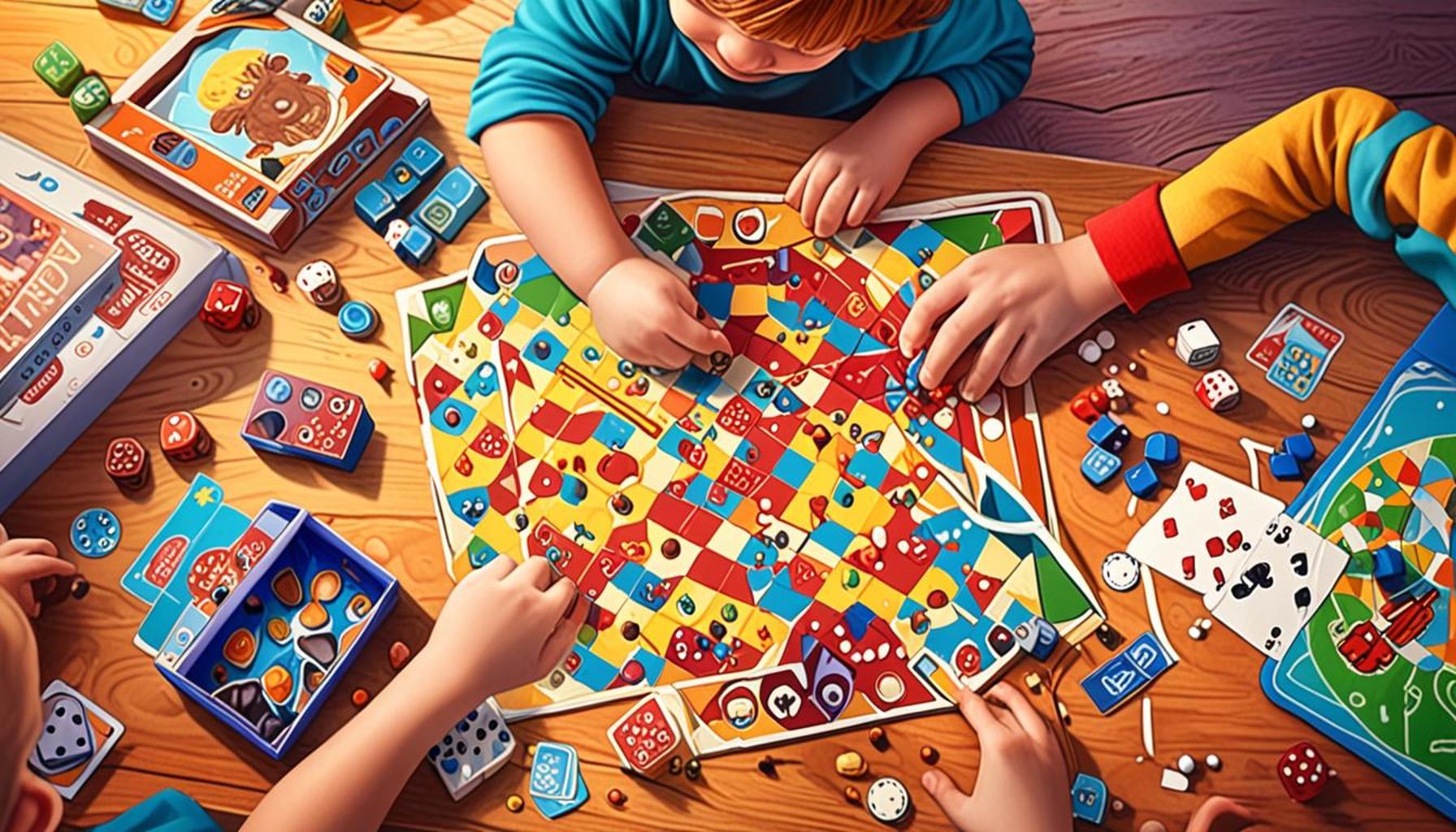
In a world increasingly dominated by fast-paced digital content, many parents are seeking alternatives that promote cognitive skills in their children. Among these, board games have emerged as an unexpected yet effective tool for developing sustained attention. Research indicates that engaging with board games can significantly improve focus and concentration in young minds.
What sets board games apart from digital entertainment is their tactile and social nature. When children sit around a table facing their opponents, they are not just playing a game; they are also honing crucial skills that will serve them well into adulthood. The immersive experience of board games compels players to think critically and act decisively while remaining engaged with their peers. This level of interaction fosters not only attention but also emotional intelligence.
Board games offer a unique blend of challenge and entertainment, making them an ideal choice for fostering deep thinking. They require players to:
- Strategize their moves – Each decision can lead to victory or defeat, encouraging careful thought and planning.
- Anticipate opponents’ actions – Players must read their opponents, predicting their strategies and adapting their own moves accordingly.
- Maintain attention for extended periods – Unlike fast-paced screen time, board games demand lasting focus to navigate complex gameplay.
These activities are crucial for the growth of cognitive skills in children. Numerous studies have shown that sustained engagement with board games enhances not just attention but also critical thinking and social interaction. The cooperative and competitive elements of board games teach children how to work with others, negotiate, and resolve conflicts constructively.
Examples of popular board games contributing to these developments include:
- Chess – This classic strategy game encourages foresight and strategic planning as players move their pieces to outsmart opponents.
- Scrabble – Boosting vocabulary and spelling skills, this word game also encourages players to think about language in a fun, engaging manner.
- Ticket to Ride – A game that teaches planning and resource management, players must create railway routes while competing against one another for limited resources.
The connection between board games and sustained attention is becoming increasingly recognized within educational circles. Schools are beginning to incorporate board games into their curricula, emphasizing their role in developing essential skills for academic success and lifelong learning. As educators and parents alike explore this avenue, they find that the fun and dynamic nature of board games serves as a catalyst for children’s intellectual growth.
Moreover, the social aspect of board games is vital. In an age where digital screens often replace face-to-face interactions, board games bring families and friends together. This interaction not only enhances engagement but also teaches valuable lessons in teamwork, patience, and resilience. Understanding this multifaceted connection can empower parents and educators to utilize board games as effective educational tools, nurturing a generation equipped to tackle the challenges of the future.
DIVE DEEPER: Click here to discover how puzzles boost problem-solving skills
Building Cognitive Resilience Through Engagement
The foundation of sustained attention in children is often linked to their engagement in activities that require mental effort over extended periods. Board games are a prime example of such activities, offering a blend of fun and challenge that captivates young minds. Unlike many forms of entertainment that bombard children with rapid stimuli, the deliberate pace of board games encourages players to immerse themselves fully in strategy and consideration, honing their ability to maintain focus.
Research supports the notion that playing board games cultivates cognitive resilience, which is crucial for tasks requiring prolonged concentration. A study conducted by the American Psychological Association found that children who regularly participate in board games exhibit improved attention spans compared to those who engage primarily in screen-based activities. The necessity of analyzing game challenges, recalling previous moves, and anticipating future scenarios reinforces attention and working memory—a form of cognitive muscle-building that is vital for academic success.
Additionally, the structure of many board games naturally fosters a supportive environment for children to practice their attention skills. When children participate in games that require turn-taking, they must wait patiently for their turn while remaining alert to the ongoing gameplay. This builds not only concentration but also emotional regulation, helping children learn the importance of waiting and perseverance.
Key benefits of board games that enhance sustained attention include:
- Structured Decision Making – Players must consistently evaluate options and make strategic choices that impact the game’s outcome, reinforcing their decision-making abilities.
- Memory Challenges – Many games require players to remember rules, cards, or opponent strategies, which strengthens memory and recall skills.
- Encouragement of Long-Term Planning – Games like Risk or Catan require players to think ahead, strategize multiple moves, and anticipate challenges, enhancing their cognitive foresight.
The evolution of board games has embraced educational themes, making them an effective resource for focusing children’s attention on learning objectives while having fun. Games designed with specific goals, such as improving math skills or language development, seamlessly integrate learning with play, reinforcing the notion that education can be enjoyable.
Furthermore, the communal aspect of board gaming facilitates social learning. As children engage with peers or family members, they not only practice sustaining their attention but also develop empathy and communication skills. These interactions can teach children how to express their thoughts, listen to others, and collaborate successfully—all essential components of sustained attention that extend beyond the game board.
Incorporating board games into daily routines can serve as a powerful strategy for parents looking to enhance their children’s attention spans. Whether during family game nights or playdates, the lessons learned through gameplay can have lasting impacts, equipping children with the cognitive tools they will carry into their academic and social lives.
The Influence of Board Games on Attention Span
Board games are not only a source of entertainment but also play a crucial role in cognitive development, particularly in enhancing sustained attention in children. When children engage in these games, they are often required to concentrate for extended periods, which can directly influence their ability to maintain focus in other areas of life, such as academics.
Cognitive Benefits
Participating in board games fosters critical thinking and strategic planning. Children must consider various factors, plan their moves, and predict opponents’ actions, thereby honing their cognitive skills. This engagement encourages longer periods of attention to be maintained, as children learn to wait for their turn and anticipate outcomes.
The Social Aspect
Moreover, the social dynamics of playing board games cannot be underestimated. Interacting with peers during gameplay stimulates communication skills and requires active listening. This interaction promotes sustained attention as children learn to focus not only on the game’s progress but also on their peers’ actions and strategies.
Examples of Engaging Board Games
Several board games have been specifically designed to promote attention and focus. Games like “Settlers of Catan” encourage players to strategize over time and consider others’ moves, while “Jenga” requires players to maintain their concentration in a fun yet challenging setting. These games are effective tools for developing the attention spans of children, particularly in a group dynamic.
Conclusion
As observed through various studies, the combination of cognitive and social elements in board games significantly contributes to the development of sustained attention in children. As we continue to explore the importance of play in childhood development, board games remain a compelling area for further research and practical implementation in educational settings.
| Advantage | Explanation |
|---|---|
| Improved Focus | Board games require sustained attention, which enhances children’s ability to focus over time. |
| Enhanced Cognitive Skills | Strategizing in games develops critical thinking and planning skills that extend to other areas. |
DISCOVER MORE: Click here to dive deeper
Fostering Critical Thinking and Problem-Solving Skills
In addition to enhancing sustained attention, board games serve as compelling tools for developing critical thinking and problem-solving skills in children. As players navigate the complexities of gameplay, they encounter scenarios that demand analytical reasoning and creative solutions. This multifaceted engagement not only captures their attention but also sharpens their cognitive abilities, which are foundational for success in both academic and real-world environments.
The diversity of board games available today means that children can explore various themes and challenges, ranging from strategy-filled adventures in games like Chess to cooperative problem-solving in titles such as Pandemic. A study published in the Journal of Educational Psychology emphasizes that when children engage in games requiring strategic thinking, they learn to analyze situations, weigh potential outcomes, and make informed decisions—essential skills that extend beyond the board.
Interestingly, the gradual complexity of board games also cultivates a child’s ability to manage ongoing tasks and multifaceted problems. For instance, games like Ticket to Ride require players to gather resources and strategize their routes over several turns, which fosters a mindset geared towards long-term planning and resource management. Such skills are crucial as children transition to more challenging academic tasks that demand prolonged attention and strategic thinking.
Here are several ways board games enhance critical thinking and problem-solving skills:
- Scenario Analysis – Children learn to assess game dynamics and anticipate opponents’ moves, increasing their capacity to evaluate situations critically.
- Flexibility in Thinking – Many games require adaptability, encouraging children to pivot strategies based on emerging conditions and interactions with other players.
- Collaborative Problem-Solving – Cooperative games promote group strategies, enabling children to communicate effectively and develop joint solutions, enhancing their teamwork skills.
The benefits of board games extend to the development of emotional intelligence as well. By engaging with peers through competitive and cooperative games, children learn to navigate feelings like frustration, excitement, and empathy. These interactive experiences often lead to better emotional regulation and improved social skills, as players must reflect on their actions and their impacts on others during gameplay.
Furthermore, according to data from the American Academy of Pediatrics, the integration of board games into a child’s routine can significantly mitigate the risks of attention-related issues that stem from excessive screen time. The tactile and social nature of board games creates an engaging alternative that encourages mindfulness and concentration, making them integral to a balanced play diet.
For parents and educators, leveraging the potential of board games can serve as a strategic initiative in nurturing children’s cognitive growth. Choosing games that align with educational goals, whether focused on math, language, or critical thinking skills, can elevate playtime into productive learning experiences. The wide array of board games available also offers parents the ability to select formats that best align with their child’s interests, ensuring that sustained attention is cultivated through enjoyment.
In the increasingly digital world, board games provide a refreshing break that not only entertains but also enriches the developing mind. As children dive into gameplay rich with challenges, they inadvertently enhance their attention spans as they embark on a journey of strategic thinking, emotional development, and social interaction—skills that will undeniably serve them well throughout their lives.
DIVE DEEPER: Click here to enhance your problem-solving skills
Conclusion: The Lasting Impact of Board Games on Sustained Attention in Children
In summary, the exploration of board games as a beneficial tool for developing sustained attention in children reveals a compelling intersection of entertainment and education. Through dynamic gameplay, children are not only engaged in a fun experience but also exposed to a wealth of cognitive challenges that foster critical thinking, problem-solving skills, and emotional intelligence. The interactive nature of these games encourages a level of focus that screens often fail to provide, addressing the increasing concern about attention-related issues in today’s digital age.
Moreover, the versatility of board games allows for varied learning experiences tailored to each child’s interests, promoting not just academic skills but also essential social abilities. As children learn to collaborate, strategize, and navigate real-time challenges, they cultivate the kind of sustained attention necessary for success in a competitive learning environment. Research underscores this potential, highlighting that children who engage regularly in board games may demonstrate improved concentration and focus, qualities that extend beyond the gaming table.
As parents and educators seek effective means to support cognitive growth, incorporating board games into playtime routines emerges as a strategic approach, blending leisure with valuable skill development. This tangible shift from digital distractions to more interactive, thought-provoking activities could very well be the key to unlocking lasting attention spans and enhancing overall cognitive function in young minds. Ultimately, the influence of board games transcends mere entertainment; it offers a gateway to cultivating resilient, focused, and emotionally intelligent future generations.