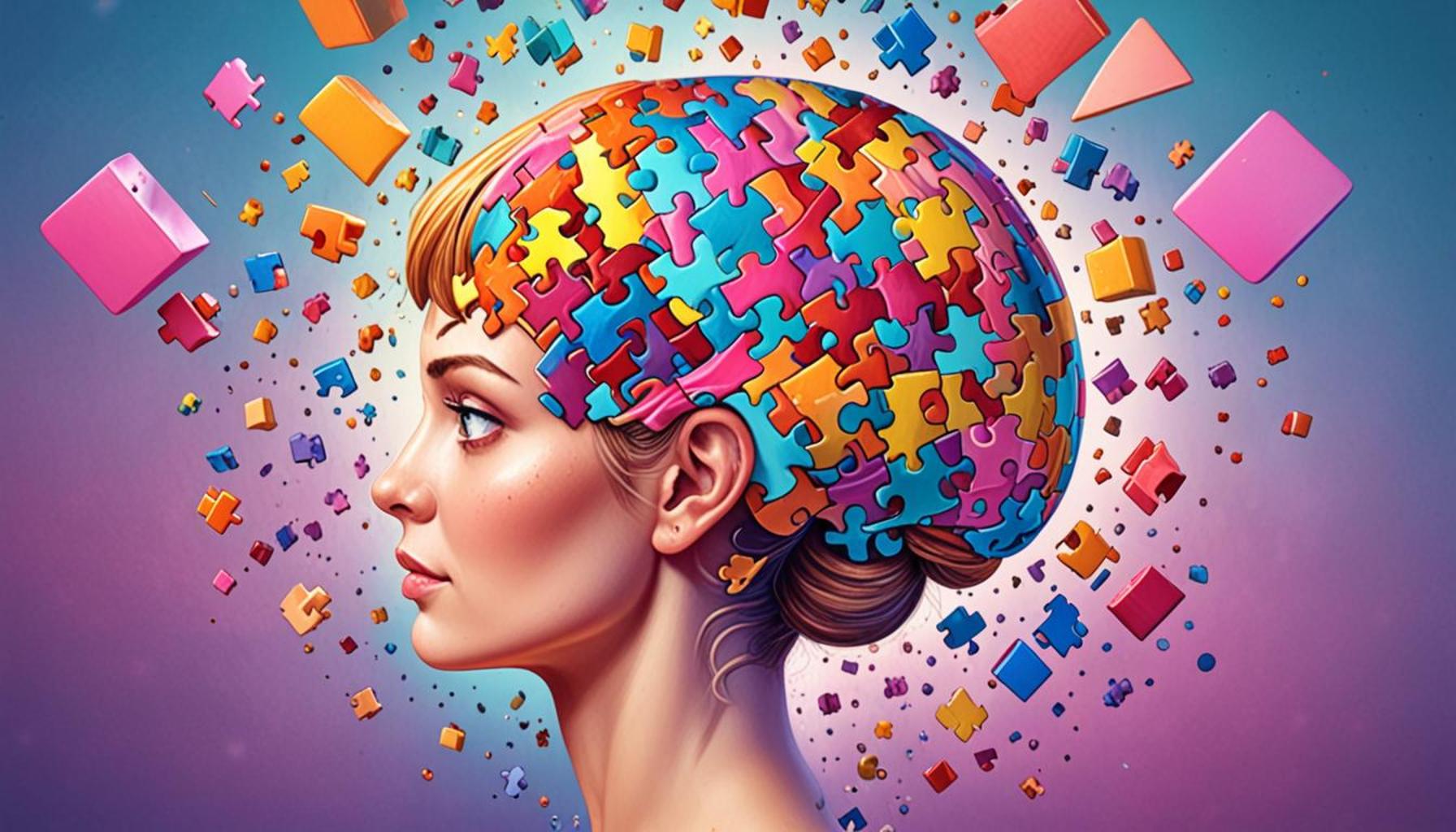
The Influence of Logical Puzzles in Education: Innovative Methods to Engage Students

Exploring the Educational Impact of Logical Puzzles
In today’s fast-paced educational landscape, logical puzzles are emerging as valuable tools for engaging students. These thought-provoking challenges foster not only critical thinking but also the essential problem-solving skills needed for academic success. Educators are increasingly recognizing the potential of puzzles to make learning more interactive and enjoyable, moving beyond traditional rote memorization to a more dynamic and enriched curriculum.
Consider the numerous benefits of incorporating logical puzzles into educational settings:
- Boosts cognitive skills: Engaging with logical puzzles enables students to enhance their reasoning and analytical capabilities. For instance, puzzles like Sudoku or logic grid games require players to think critically about relations and potential solutions, fostering deeper cognitive engagement.
- Encourages collaboration: Many puzzles require teamwork, thereby promoting communication and social skills. Group activities, such as escape room challenges or collaborative problem-solving games, motivate students to share diverse ideas and work collectively toward a solution.
- Increases motivation: Engaging challenges can motivate reluctant learners and make tough subjects more appealing. For example, math can become more exciting when students solve real-world problems using puzzles that revolve around scenarios they’re genuinely interested in, such as planning a road trip or budgeting for a school event.
Moreover, various methods can be employed to integrate logical puzzles into the curriculum effectively. Teachers might use:
- Interactive workshops: Hands-on puzzle-solving sessions allow complex concepts to become accessible. By applying logic puzzles directly to lessons in history or science, teachers can create relatable contexts that inspire curiosity.
- Online platforms: Utilizing digital puzzles caters to tech-savvy students while providing instant feedback. Websites and apps that specialize in logic games not only enhance engagement but also track progress in real-time, helping students see their improvement.
- Cross-curricular activities: Combining puzzles with subjects like math or science can deepen understanding. Integrative lessons, such as puzzles that involve statistical analysis or scientific methodology, help students see the interconnectivity between various fields of study.
The integration of these innovative approaches not only enriches the educational experience but also prepares students for real-world problem-solving. Data from various educational studies suggest that students who engage with logical puzzles show improved academic performance and enhanced critical thinking skills.
As educators continue to explore the multifaceted influence of logical puzzles in education, they open a gateway to a more engaging and effective learning environment. Whether it’s through collaborative group tasks or individual online challenges, the power of puzzles is an exciting asset that can stimulate a love for learning in students of all ages.
DIVE DEEPER: Click here to unlock the secrets of logical puzzles
Embracing Novel Strategies to Utilize Logical Puzzles
The growing interest in logical puzzles as educational tools reflects a shift toward innovative teaching strategies that prioritize student engagement and enthusiasm for learning. By incorporating puzzles into lesson plans, educators can capture students’ attention and make complex subjects more approachable. This multifaceted approach transcends traditional educational boundaries, inviting educators to consider puzzles as a foundational aspect of their instructional repertoire.
One method to embrace is the implementation of game-based learning. Through this approach, puzzles can transform ordinary lessons into lively games that challenge students’ minds. For example, educators can develop classroom competitions that encourage students to work against the clock to solve puzzles relevant to their subject matter. Such competitions not only ignite a spirit of friendly rivalry but also create memorable learning experiences that resonate long after class has ended.
Additionally, case studies in various US schools showcase the effectiveness of using logical puzzles to reinforce STEM (Science, Technology, Engineering, and Mathematics) concepts. A notable example involves a middle school in California that incorporated logic puzzles into its mathematics curriculum. Teachers noted significant improvements in students’ ability to approach complex problems after integrating puzzles into their daily lessons. The school found that students exhibited increased enthusiasm toward mathematics, revealing that employing engaging methods can bridge gaps in learning.
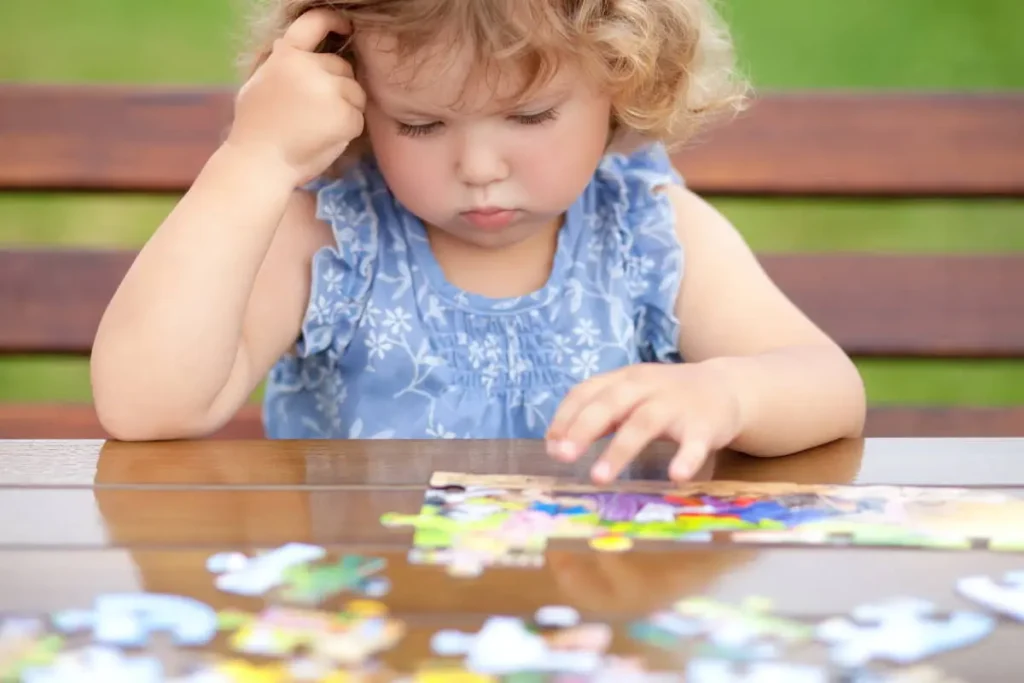
Another area of exploration is the use of visual puzzles. These types of puzzles, such as logic grid puzzles and spatial reasoning games, are particularly effective for visual learners. Incorporating them into lessons can assist students in developing a deeper understanding of geometric concepts or biological processes. For instance, using jigsaw puzzles that represent various ecosystems can enhance students’ grasp of environmental science while providing a playful context to the subject matter.
Moreover, teachers can enrich their curriculum by integrating digital puzzles into their lesson plans. With the increasing incorporation of technology in classrooms, online platforms that offer interactive logical puzzles can significantly elevate student engagement. These platforms often include features such as adaptive learning paths, providing individualized experiences that cater to each student’s pace. This adaptability fosters an environment in which students feel empowered to tackle challenges at their own levels, creating a sense of achievement through their progress.
The above methods highlight the diverse avenues through which logical puzzles can be integrated into education. By leveraging these innovative strategies, educators can cultivate environments that inspire a keen interest in problem-solving and critical thinking. In the next sections, further evidence will be explored to illustrate how these puzzle-based techniques enhance not only academic performance but also the overall emotional and cognitive development of students.
| Category | Details |
|---|---|
| Cognitive Development | Logical puzzles enhance problem-solving skills and critical thinking abilities among students. |
| Engagement | Using puzzles creates an interactive learning environment, promoting curiosity and active participation. |
Incorporating logical puzzles into educational curricula represents a significant shift towards engaging students on multiple cognitive levels. Teachers are increasingly using these puzzles as tools for not only enhancing analytical skills but also boosting creativity among learners. The multifaceted nature of puzzles stimulates cognitive development, allowing students to approach problems with a flexible mindset.Furthermore, the integration of puzzles fosters a stronger sense of community within the classroom as students often collaborate to solve challenging tasks, thereby enhancing their social interaction skills alongside their academic performance. It transforms the traditional learning environment into a dynamic space where curiosity thrives, allowing students to explore concepts in a more hands-on manner.Research has shown that the use of logical puzzles can lead to improved academic outcomes, as they encourage students to think independently while honing their problem-solving abilities. In essence, the inclusion of these innovative methods of engagement not only enriches students’ learning experiences but also equips them with essential skills needed to navigate real-world challenges effectively.
DON’T MISS: Click here to enhance your skills
Unlocking Cognitive Skills through Collaborative Learning
Collaborative learning is yet another powerful technique that can be enhanced through logical puzzles, fostering not only intellectual growth but also essential social skills among students. By working in small groups to solve puzzles, students engage in discussions, share diverse perspectives, and build their ability to work as part of a team. This method reflects real-world problem-solving scenarios where collaboration is crucial, preparing students for future academic and career environments.
One illustrative example can be found in a high school in New York City, where teachers have adopted collaborative puzzle challenges as a staple in their science curriculum. Students grouped into teams tackle complex scientific scenarios presented as puzzles, requiring them to employ critical thinking and cooperative strategies to reach a solution. Observations from this initiative have noted a significant increase in students’ ability to communicate their ideas clearly and listen actively to their peers, skills that are vital beyond the classroom.
Promoting Emotional Intelligence through Puzzles
In addition to fostering cognitive skills, incorporating puzzles into educational practices can also enhance students’ emotional intelligence. Engaging with challenging logical puzzles can inspire feelings of frustration and elation, teaching students to manage their emotions in the face of difficulties and celebrate their successes, no matter how small. Teachers in various educational settings have reported improvements in students’ resilience and emotional regulation since implementing these interactive learning tools.
A noteworthy approach is the concept of “puzzle days” in schools across the country, where students spend an entire day focusing solely on solving puzzles of various types. Such events create an atmosphere filled with anticipation, allowing students to embrace their feelings as they navigate through the ups and downs of solving challenges. This practice not only strengthens their problem-solving abilities but also enhances their capacity to experience joy and celebration, reinforcing the notion that learning can indeed be a joyous experience.
Enhancing Engagement for Diverse Learning Styles
Moreover, logical puzzles have the potential to cater to a wide array of learning styles, making education more inclusive. Visual learners, auditory learners, and kinesthetic learners alike can find their preferred modes of interaction with puzzles. For instance, auditory learners may thrive on group discussions around puzzle solutions, while kinesthetic learners could benefit from physical puzzle activities that involve manipulation of tactile materials.
- Visual learners can engage with interactive software that involves logic puzzles, which are visually stimulating and help clarify concepts.
- Auditory learners might excel through storytelling puzzles that require listening and verbal reasoning as a way to crack the code.
- Kinesthetic learners can experience puzzles that utilize hands-on activities, such as escape room challenges where they must physically manipulate objects to find solutions.
Teachers can devise curriculum plans that include various types of logical puzzles, understanding that this variety not only attracts a broader student base but also enriches the collective learning experience. As educators respond to the diverse needs of their students, a more dynamic and responsive learning environment emerges, demonstrating an educational paradigm shift that emphasizes engagement and creativity.
As the impact of logical puzzles extends beyond mere academic performance, the evidence points toward a generation of students who are not only better problem solvers but also more adaptable and emotionally aware individuals. By integrating an array of innovative methods into education, the journey towards learning becomes not just a pursuit of knowledge but an adventure filled with curiosity and discovery.
DIVE DEEPER: Click here to discover the impact of brain teasers
Conclusion: A New Era of Learning through Logical Puzzles
The integration of logical puzzles in education has undeniably transformed the approach to teaching and learning. As we have explored, these engaging tools not only enhance cognitive skills but also foster emotional intelligence and teamwork among students. The innovative methods such as collaborative learning and themed “puzzle days” exemplify how creativity can be woven into the curriculum to enrich educational experiences. By presenting challenges that cater to various learning styles, educators are able to create inclusive environments that motivate students to explore and engage with the material in meaningful ways.
Research and anecdotal evidence highlight the significance of puzzles in promoting not just academic achievement but also real-world skills essential for success in modern workplaces. Skills such as critical thinking, resilience, and effective communication have greater implications that extend beyond classroom walls. As we continue to embrace these innovative educational strategies, the narrative of learning shifts from routine memorization to an engaging adventure filled with curiosity and discovery.
As we look to the future of education, the role of logical puzzles should not be underestimated. They represent a vital link in bridging traditional educational practices with contemporary needs, equipping students with the tools necessary to navigate an increasingly complex world. By prioritizing critical inquiry and emotional development through puzzles, we are empowering learners to become confident, adaptable, and innovative thinkers ready to tackle tomorrow’s challenges.