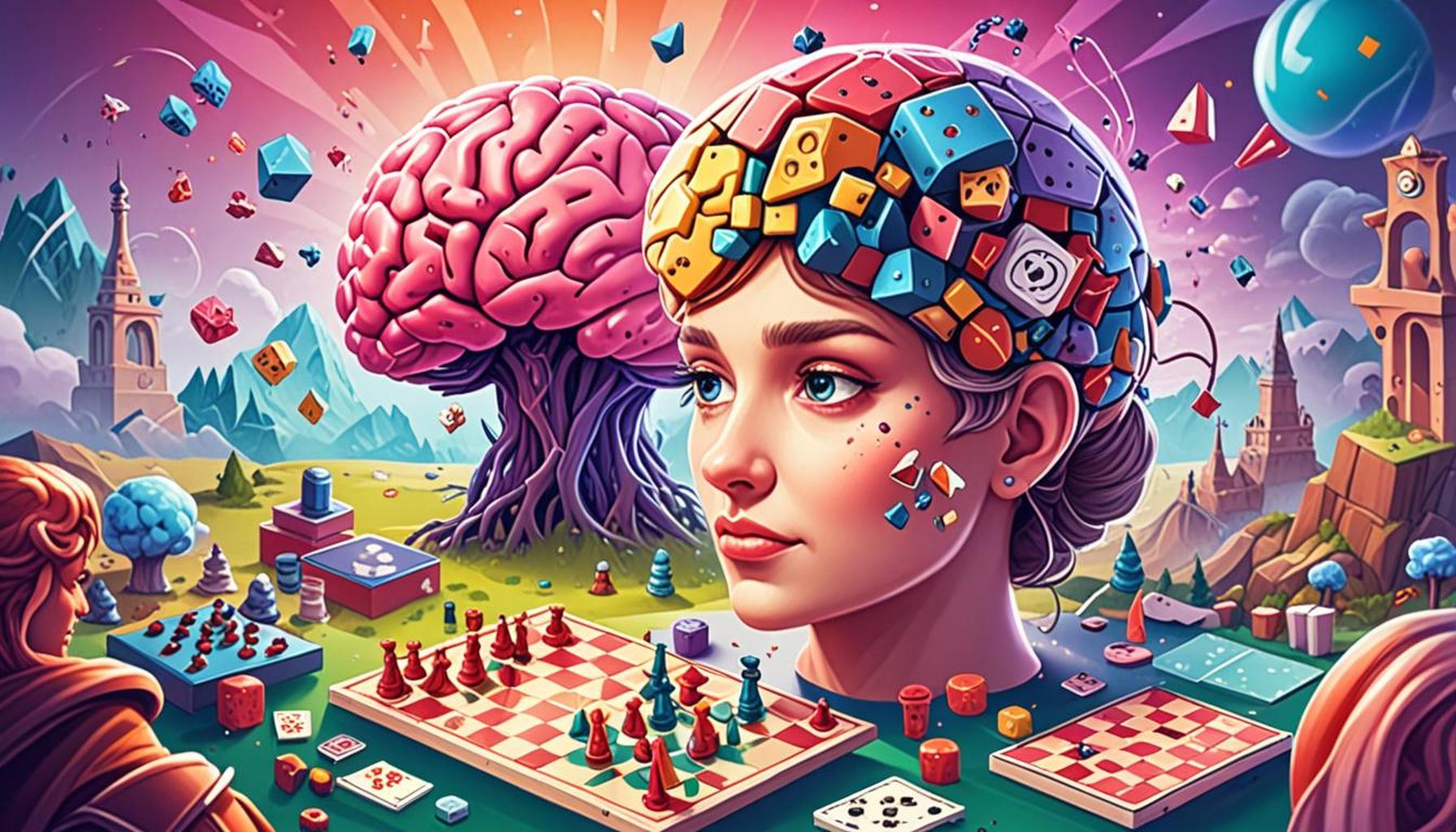
Unveiling the Mysteries of Digital Strategy Games: The Impact of Long-Term Planning

The Thrill of Engaging in Digital Strategy Games
In the captivating realm of digital strategy games, players are thrust into complex scenarios where their every decision is laden with consequences. The intricate dynamics of these games require players to think critically and plan meticulously, as the art of long-term planning becomes the cornerstone of success. This depth of engagement not only enhances the gaming experience but also highlights significant insights into strategic thinking applicable in real-life situations. Whether you’re leading an army in a war simulation or managing a burgeoning economy, every choice can pivot the narrative in unforeseen directions.
Key Elements of Digital Strategy Games
- Resource Management: One of the fundamental aspects of strategy games is the effective allocation of resources. Players must decide how to invest their limited assets—whether in building new structures, training units, or bolstering defense systems. For instance, in the popular game “Civilization,” players face the challenge of managing food, production, and gold, which directly influences their civilization’s growth and stability.
- Building Alliances: Forming partnerships can significantly turn the tide in various scenarios. In multiplayer strategy games, players often negotiate and forge alliances with others to strengthen their position. Games like “Total War” illustrate this dynamic well, where diplomacy can lead to essential support against a common enemy or resource sharing that enhances mutual growth.
- Future Projections: Anticipating opponents’ moves is crucial for devising effective long-term strategies. Players must evaluate the strengths and weaknesses of their rivals, predicting their next steps and preparing countermeasures accordingly. This strategic foresight mirrors real-world scenarios such as business competition, where anticipating market shifts can determine a company’s success.
The appeal of these games extends to a broad audience, from casual gamers who enjoy a lighthearted tactical experience to seasoned strategists gravitating toward sophisticated challenges. The complex mechanics of digital strategy games not only provoke thought but also inspire creativity, leading players to rethink their approach to problem-solving in various contexts.
The Allure of Long-Term Planning
- Critical Thinking: Engaging in these virtual environments actively fosters analytical skills. Players develop the ability to evaluate various potential outcomes and formulate strategies that encompass both immediate needs and long-term goals.
- Decision-Making: The intricacies of these games compel players to assess their options carefully before taking action, helping them to cultivate a more calculated approach to decision-making both in-game and in real life.
- Adaptability: Long-term planning necessitates a degree of flexibility to react to changing situations. As players encounter unexpected challenges or opportunities, they learn to pivot their strategies, a skill that is invaluable in today’s fast-paced world.
As we delve deeper into the impact of long-term planning in these games, it becomes evident that the challenges faced within the game environment mirror those encountered in various fields, including business, education, and even personal relationships. The skills honed through gaming extend far beyond the screen, fundamentally shaping how players approach and tackle problems in their everyday lives. By encouraging strategic thought and fostering resilience in the face of challenges, digital strategy games serve as a training ground for practical, real-world skills that can lead to success in diverse endeavors.
DISCOVER MORE: Click here to learn more
The Significance of Long-Term Planning in Digital Strategy Games
At the heart of digital strategy games lies the delicate balance between short-term tactics and long-term vision. Players are challenged not merely to react to immediate threats or opportunities but to meticulously sculpt their path to victory over an extended timeframe. This strategic foresight is a vital component that can determine the outcomes of conflicts, economic booms, and cultural advancements within these virtual realms.
Understanding the Framework of Long-Term Planning
Long-term planning involves a layered approach to gameplay, where players are expected to set clear goals while simultaneously preparing for the dynamic landscape of their game environment. This complexity requires an understanding of various interconnected elements:
- Assessment of Goals: Players must identify what they hope to achieve—whether it’s military dominance, economic supremacy, or technological advancement. For example, in games like “Starcraft,” the player must strategize their resource allocation and unit development while keeping an eye on their opponent’s capabilities and future maneuvers.
- Scenario Analysis: Each decision can lead to multiple pathways, thus players must consider the potential impacts of their actions. An astute player assesses likely future scenarios that may unfold, thereby crafting strategies that align with both current conditions and future aspirations.
- Investment in Development: Players are required to make substantial investments in various aspects of their virtual society, which are not easily reversible. In “Age of Empires,” for example, choosing to upgrade technology can provide long-term benefits but requires considerable initial investment, making careful planning indispensable.
The significance of long-term planning in digital strategy games extends beyond the confines of the game itself, prompting players to develop valuable skills admired in professional settings. The ability to look ahead and make calculated decisions is integral for success in the competitive landscape of businesses, where market trends and consumer behaviors can shift rapidly.
Real-World Parallels of Strategic Decision-Making
As players navigate the multifaceted challenges within digital strategy games, they are unwittingly mirroring the strategic decision-making processes found in numerous industries. The skills accrued through gaming offer insights relevant to:
- Project Management: Similar to overseeing a long-term project, strategy gamers learn to allocate resources judiciously, ensuring that teams remain effective while adapting to changes over time.
- Financial Planning: Players experience the importance of sustaining an economy, understanding investments, and managing risk—concepts that resonate deeply in financial sectors and personal finance management.
- Team Collaboration: Engaging in multiplayer formats fosters cooperation among players, reflecting how teamwork and alliance-building are essential in achieving common goals, both in-game and in work environments.
The implications of long-term planning in digital strategy games serve as a potent reminder that the challenges faced in gameplay are not vastly different from those encountered in real life. The skills developed through these strategic exercises not only enrich the gaming experience but also equip players with tools that can enhance their effectiveness in various vocational and personal scenarios.
Unveiling the Mysteries of Digital Strategy Games: The Impact of Long-Term Planning
Within the realm of digital strategy games, long-term planning creates a pathway to success that transcends mere tactical maneuvers. Players who adopt a long-range outlook not only enhance their understanding of game mechanics but also develop skills that are transferable to real-world scenarios. These skills include resource management, risk assessment, and scenario analysis—capabilities essential for thriving in both gaming and daily life.
The depth of strategy games encourages players to consider future implications of their current actions. For instance, decisions made in the early phases of a game can significantly impact the final outcome, fostering a mindset oriented towards sustainability and foresight. In a competitive gaming environment, recognizing the value of long-term strategy can help players outmaneuver opponents who focus solely on immediate gains.
| Category | Advantages |
|---|---|
| Resource Management | Long-term planning allows for better allocation of resources, preventing shortages that can hinder progress. |
| Risk Assessment | Evaluating possible future risks leads to informed decisions that can safeguard players against setbacks. |
| Scenario Analysis | Anticipating multiple gameplay scenarios encourages a more adaptive and strategic mindset. |
As players immerse themselves in these virtual worlds, the rich tapestry of digital strategy games unveils critical thinking skills essential for success, pushing boundaries and reshaping perceptions of long-term engagement. The strategic depth not only captivates players but also lays a foundation for them to become adept planners, ready to tackle challenges within and beyond the digital realm.
DIVE DEEPER: Click here to uncover the impact of puzzles on problem-solving skills
Strategic Depth: Unpacking Layers of Complexity in Gameplay
The richness of digital strategy games is not solely found in their vivid landscapes or intricate narratives, but more importantly, in the strategic depth they offer. Players are constantly required to think several steps ahead, navigating through myriad layers of complexity that demand careful thought and foresight. This multifaceted nature of gameplay enhances a player’s analytical abilities, mirroring real-world problem-solving scenarios.
Merging Historical Context with Strategic Gameplay
Many digital strategy games draw inspiration from historical events, encouraging players to engage in long-term planning while navigating through significant epochs. For instance, titles like “Civilization” provide a platform that intricately weaves historical context with strategic decision-making. Players must choose how to grow their civilizations through various ages, making choices that affect their powerful empires for generations within the game.
Players must approach each era with distinct strategies, balancing the need for military strength with diplomatic finesse. The ability to foresee the long-term consequences of choices—such as entering into alliances, waging wars, or focusing on technological advancements—can have profound effects on player outcomes. The multiplayer aspect further intensifies this as alliances can shift, requiring players to continuously reassess their strategies.
Resource Management: A Tangible Reflection of Real Economics
Resource management in digital strategy games often serves as a microcosm of real economic challenges. Players routinely encounter the necessity to balance short-term gains against long-term investments, requiring a deep understanding of resource flow and sustainability. For instance, in “Anno 1800,” players must manage resources like coal, iron, and textiles while planning out cities that will thrive in the future.
This framework fosters not only economic understanding but also a sense of patience and foresight. A player who opts to go for quick wins by over-exploiting one resource might find themselves in a precarious position later in the game when they are left without adequate supplies. This simulation of economic principles teaches valuable lessons that are applicable in various life facets, ranging from business to personal finance.
Adapting to Change: The Importance of Flexibility in Strategy
Adaptability is a pivotal skill that digital strategy games cultivate through long-term planning. The virtual environments are often dynamic, fraught with unforeseen challenges that can arise unpredictably. In titles like “Total War,” players are thrust into chaotic battles and shifting political landscapes, where flexibility in strategy can mean the difference between sustenance and failure.
Players learn to pivot and adjust their long-term plans based on emerging threats or opportunities, embodying the resilience required in today’s fast-paced world. This ability to adapt to changing circumstances is one of the most valuable takeaways from digital strategy gameplay and is especially relevant in industries characterized by swift technological advancements and market fluctuations.
Moreover, as players face inevitable setbacks in their long-term strategies—whether they lose a key battle or face economic downturns—they are trained in the art of recovery and reassessment, crucial skills that foster growth and resilience in both virtual and real-life settings.
In essence, the impact of long-term planning in digital strategy games invites players to engage not just with the immediate challenges at hand, but also with the overarching implications of their choices, seamlessly connecting the virtual with the real and enriching both experiences alike.
DISCOVER MORE: Click here for insights on brain teasers
Conclusion: The Lasting Legacy of Long-Term Planning in Digital Strategy Games
In exploring the impact of long-term planning within digital strategy games, we uncover a landscape abundant with opportunities for growth, resilience, and decision-making prowess. These games extend beyond mere entertainment; they serve as comprehensive platforms where players hone essential skills such as strategic foresight, resource management, and adaptability, all of which hold significant relevance in our rapidly evolving world.
The intricate decision-making processes present in titles like “Civilization” and “Anno 1800” cultivate a deeper understanding of both historical contexts and economic principles, prompting players to think critically about their choices and the ripple effects they can create over time. This multifaceted gameplay invites individuals to not only engage with immediate challenges but also appreciate the broader implications of their actions, reinforcing that success is often a product of careful consideration and long-term vision.
Moreover, the dynamics of adaptability in the face of uncertainty significantly reflect real-world scenarios where individuals must pivot strategies amid shifting circumstances. As players navigate through chaos and develop resilience, they inadvertently prepare themselves for real life’s unexpected challenges.
In conclusion, the mysteries unveiled through digital strategy games reveal a rich tapestry of knowledge and skills that extend well beyond the screen. The lessons learned from long-term planning resonate deeply with our personal and professional lives, offering a strong foundation for success in various endeavors. Thus, as players immerse themselves in the strategic complexities of these virtual worlds, they are not just participating in a game but embarking on a journey of personal development and insightful learning.