
The Importance of Incorporating Flexibility Exercises into Your Daily Routine
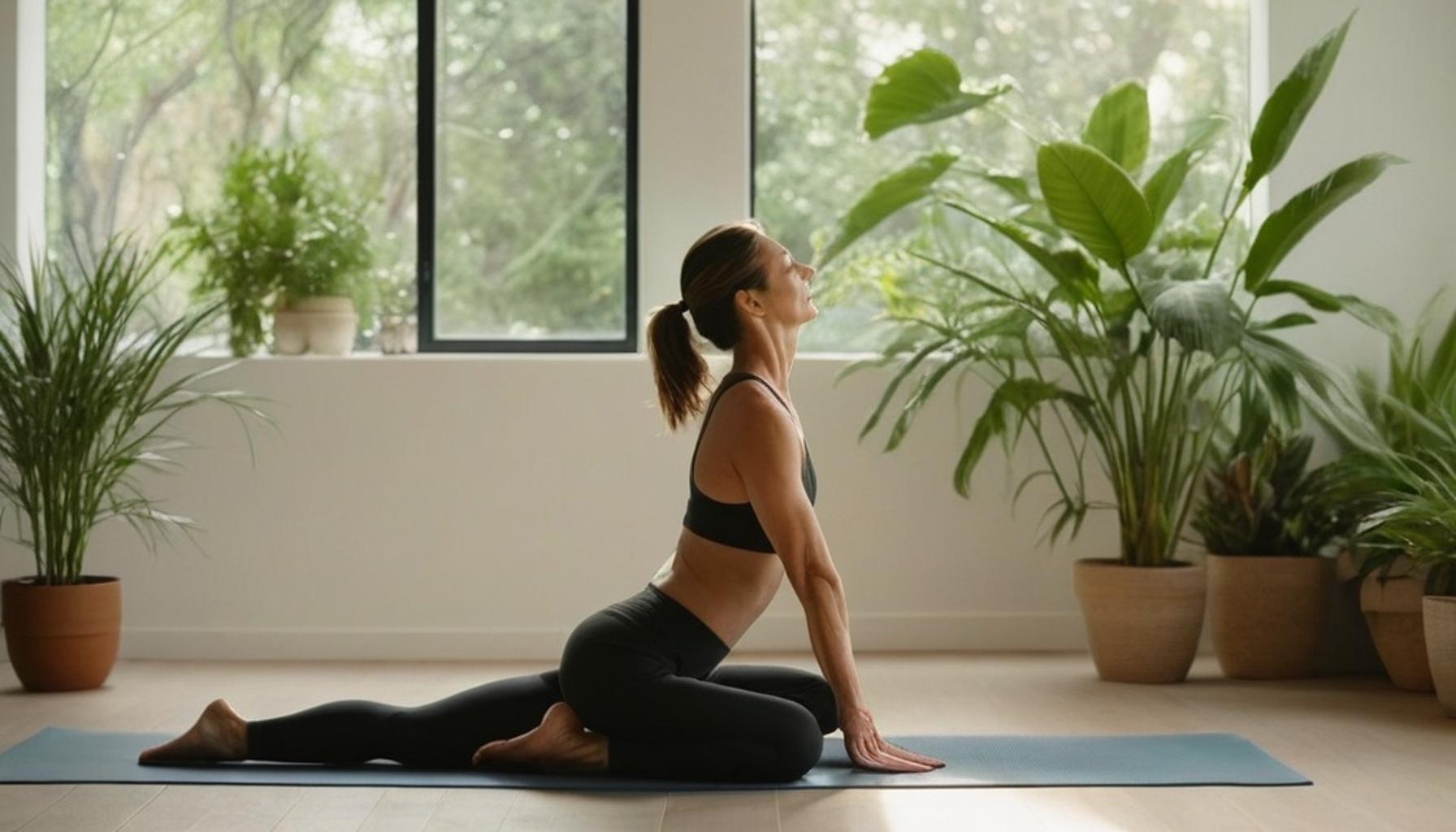
Why Flexibility Deserves a Spot in Your Fitness Plan
Most Americans focus heavily on cardio and strength training, yet often overlook one critical component of fitness. Flexibility exercises quietly play a major role in how well your body moves, recovers, and ages over time.
According to the American College of Sports Medicine, adults should perform stretching exercises for flexibility at least two to three times per week. Despite this recommendation, studies show fewer than 30% of adults meet that basic threshold.
So what exactly are you missing out on? Consider these everyday benefits of flexibility exercises:
- Reduced muscle stiffness after long hours at a desk
- Lower risk of injury during workouts or sudden movements
- Improved posture and reduced back pain
- Better circulation and joint mobility
- Enhanced athletic performance in sports like running or tennis
A consistent daily flexibility routine doesn’t require hours at the gym. Even ten minutes of targeted stretching can make a noticeable difference within weeks.
This raises an important question: why do so many people prioritize strength and endurance while neglecting flexibility training tips that could transform their overall well-being?
The Hidden Cost of Skipping Stretching
Many people assume flexibility only matters for gymnasts or yoga instructors, but that assumption couldn’t be further from the truth. Office workers who sit for eight or more hours a day often develop tight hip flexors and shortened hamstrings, which can throw off natural movement patterns. Over time, this tightness contributes to lower back discomfort, a complaint that affects roughly 80% of Americans at some point in their lives.
Physical therapists across the country frequently point out that limited flexibility doesn’t just cause discomfort, it can also alter the way people walk, run, or lift objects. This compensation pattern places extra strain on joints that weren’t designed to absorb that kind of stress, potentially leading to chronic issues down the road.
How Age Changes the Flexibility Equation
As people move through their thirties, forties, and beyond, connective tissue naturally loses some elasticity. This process, sometimes called fibrosis, makes muscles and tendons stiffer if they aren’t regularly stretched. Researchers have found that individuals who maintain a stretching habit throughout adulthood tend to preserve a greater range of motion well into their sixties and seventies compared to those who don’t.
This connection between flexibility and healthy aging explains why many physical therapists now recommend incorporating mobility work into standard fitness routines, right alongside weightlifting and cardio sessions.
What Comes Next
In the sections ahead, we’ll explore the science behind the importance of stretching, practical ways to improve flexibility, and simple techniques you can start using today, whether you’re a weekend athlete or someone just trying to get through a workday without back pain.
SEE ALSO: Mindfulness and Movement: How Yoga Can Enhance Your Overall Well-Being
# The Science Behind Stretching: What Really Happens in Your Muscles
Before diving into routines and techniques, it helps to understand what’s actually happening beneath the surface when you stretch. Flexibility exercises work by gently elongating muscle fibers and the connective tissue surrounding them, signaling your nervous system to allow a greater range of motion over time.
This isn’t just a feel-good sensation. Sports medicine researchers at institutions like the Mayo Clinic have documented measurable changes in muscle elasticity after just a few weeks of consistent stretching. The tissue literally adapts, becoming more pliable and resistant to the kind of micro-tears that cause soreness and injury.
What’s fascinating is how this process unfolds at a cellular level. When you stretch, tiny structures within muscle fibers called sarcomeres begin to add more units in a series, effectively lengthening the muscle without weakening it. This adaptation, sometimes called sarcomerogenesis, is one reason why gymnasts and dancers who train for years develop flexibility that seems almost superhuman to the average gym-goer in cities like Los Angeles or Chicago. It’s not magic, it’s biology responding to repeated demand.
Static vs. Dynamic: Knowing the Difference Matters
Not all stretching is created equal, and understanding the distinction can significantly improve flexibility results. Here’s a quick breakdown of the two main approaches:
- Static stretching involves holding a position for 15 to 60 seconds, ideal for cooling down after exercise or unwinding in the evening
- Dynamic stretching uses controlled, repetitive movements like leg swings or arm circles, best suited as a warm-up before physical activity
- PNF stretching (proprioceptive neuromuscular facilitation) combines stretching with muscle contraction, often used by physical therapists for faster gains
- Ballistic stretching uses bouncing movements and is generally reserved for advanced athletes due to higher injury risk
Mixing these methods throughout the week, rather than relying on just one, tends to produce more noticeable results for most people building a daily flexibility routine. Many personal trainers across the United States now recommend pairing dynamic stretches before a workout with static holds afterward, creating a bookend effect that primes muscles for activity and then locks in gains once they’re warm.
Interestingly, PNF stretching, while less familiar to casual gym-goers, has gained traction in professional sports settings. NFL and NBA training staffs frequently use this technique with athletes recovering from injury, since the contract-relax method can yield flexibility improvements in a fraction of the time compared to static stretching alone.
What the Numbers Say About Consistency
A widely cited study published in the Journal of Strength and Conditioning Research found that participants who practiced stretching exercises for flexibility four to five times weekly saw a 20% improvement in hip and hamstring mobility within just six weeks. Those who stretched only once a week showed minimal change.
This gap highlights something important: sporadic effort produces sporadic results. The real payoff from flexibility work comes from repetition, not intensity. Unlike heavy lifting, where rest days are essential, stretching tends to reward those who show up consistently, even if only for a few minutes at a time.
Some researchers have compared this pattern to habit formation studies, where small, repeated actions compound into significant change over weeks and months. A five-minute stretching session squeezed in before bed or right after brushing your teeth in the morning might sound trivial, but the cumulative effect on joint mobility and muscle length can rival more elaborate, time-intensive routines that people struggle to maintain.
Beyond the Muscles: Nervous System Involvement
One detail that often surprises people is that flexibility isn’t purely a muscular issue. Your nervous system plays a gatekeeper role, essentially deciding how far it will “allow” a muscle to stretch based on perceived safety. This is why flexibility can improve quickly in the beginning, as the nervous system adjusts its threshold, and why practicing relaxation techniques alongside stretching often accelerates progress.
Understanding this mind-muscle connection reframes the entire conversation around the importance of stretching. It’s not simply about pulling on tissue, it’s about training your body to feel safe moving through a fuller range of motion.
This is partly why breathing exercises, meditation, or even calming music during a stretching session can noticeably improve results. When the nervous system senses stress or threat, it tightens muscles protectively as a defense mechanism, an evolutionary holdover from times when tension meant survival. By lowering that internal alarm system through deep breathing or a calm environment, you essentially convince your body it’s safe to loosen its grip, opening the door to genuine, lasting flexibility gains that go far beyond a quick pre-workout routine.

Key Aspects of a Daily Flexibility Routine
Understanding the importance of stretching becomes clearer when the main components of a daily flexibility routine are broken down into practical categories. The table below highlights core elements every reader should consider before starting stretching exercises for flexibility, along with the specific benefits and data-backed insights tied to each aspect. From joint mobility to muscle recovery, these categories reveal why flexibility deserves the same attention as cardio or strength training. Explore each row to discover flexibility training tips that can be applied immediately.
| Category | Key Benefit or Insight |
|---|---|
| Joint Mobility | Improves range of motion by up to 20% within weeks |
| Muscle Recovery | Reduces soreness and speeds post-workout repair |
| Injury Prevention | Lowers strain risk during sudden movements |
| Posture Improvement | Corrects imbalances from prolonged sitting |
| Stress Reduction | Activates relaxation response, lowering cortisol levels |
SEE ALSO: The Importance of Creating a Personalized Exercise Routine for Mental Well-Being
# From Desk Jobs to Deadlifts: Who Actually Benefits Most From Flexibility Work
Walk into any office in Austin, Seattle, or New York City and you’ll find a similar scene: rows of people hunched over keyboards, shoulders rounded, hips locked in a seated position for eight or more hours a day. This modern posture epidemic has quietly made flexibility exercises less of a luxury and more of a necessity for nearly every working American.
The Bureau of Labor Statistics estimates that over 80% of U.S. jobs now involve minimal physical movement. That statistic alone explains why physical therapists report a steady rise in hip flexor tightness, rounded shoulders, and chronic lower back tension among patients under 40, a demographic that once rarely sought treatment for these issues.
What makes this trend particularly striking is how quietly it develops. Nobody wakes up one morning suddenly unable to touch their toes. Instead, the stiffness accumulates in small increments, week after week, until a simple task like tying a shoe or reaching for a top shelf item at a grocery store in Ohio suddenly feels like a stretch too far. By the time most people notice the problem, the underlying muscle shortening has often been building for years.
Office Workers Aren’t the Only Ones Who Need This
It would be easy to assume flexibility training is only for desk-bound professionals, but the data tells a different story. Weightlifters, runners, and even casual weekend athletes often experience the opposite problem: muscles that are strong but dangerously short.
Powerlifters, for instance, frequently develop tight hip flexors and restricted shoulder mobility from repetitive, limited-range movements. Without a daily flexibility routine to counterbalance this, the risk of strain injuries climbs significantly. A 2019 report from the American Council on Exercise noted that athletes who incorporated stretching into their training cut soft-tissue injury rates by nearly 30% compared to those who skipped it entirely.
Marathon runners face a similar paradox. Their calves and hamstrings grow powerful from thousands of repetitive strides, yet that same repetition often leaves connective tissue stiff and prone to microtears. Coaches training for events like the Chicago Marathon or Boston Marathon increasingly build mobility work directly into weekly mileage plans, rather than treating it as an optional add-on for rest days.
This pattern reveals something important: the benefits of flexibility exercises aren’t reserved for one body type or lifestyle. Whether someone spends their day typing reports or squatting twice their bodyweight, undertrained flexibility eventually catches up with everyone.
Age Changes the Equation, But Not the Need
Flexibility naturally declines with age, largely due to reduced water content in connective tissue and a slower rate of collagen production. Researchers at Harvard Medical School have noted that adults can lose up to 10% of their range of motion per decade after age 30 if no corrective action is taken.
This makes the case for early intervention especially compelling. Rather than waiting until stiffness becomes painful or limiting, building habits now creates a buffer against the years ahead. Consider these age-specific patterns often observed in clinical settings:
- Adults in their 20s and 30s tend to lose flexibility primarily in the hips and shoulders due to prolonged sitting
- Those in their 40s often notice stiffness in the lower back and hamstrings, frequently linked to reduced daily movement
- Individuals over 60 commonly experience restricted ankle and neck mobility, which can affect balance and increase fall risk
Physical therapists frequently point out that it’s never too late to improve flexibility, but the timeline for results tends to lengthen with age. What might take a 25-year-old three weeks of consistent stretching to notice could take a 60-year-old six to eight weeks, though the eventual gains are just as real and often just as significant for quality-of-life improvements like easier stair climbing or reaching overhead shelves without strain.
The Hidden Cost of Ignoring Mobility
Beyond personal discomfort, tight muscles carry a financial weight that many people never connect to
RECOMMENDED: Exploring the Role of Flexibility and Mobility Exercises in Overall Wellness
Building a Habit That Pays Dividends for Life
From cubicles in Chicago to weight rooms in Los Angeles, the evidence points to one clear conclusion: flexibility exercises are not an optional extra reserved for yogis or dancers. They are a practical necessity for anyone who sits, lifts, runs, or simply ages, which covers nearly everyone reading this.
The stories of desk workers developing hip flexor tightness and marathoners battling stiff hamstrings share a common thread. Muscles that move through the same limited patterns day after day eventually rebel, whether through nagging pain, reduced range of motion, or a sudden strain injury that sidelines an otherwise healthy body.
A consistent daily flexibility routine interrupts this cycle before it becomes costly, both physically and financially. As highlighted earlier, injury rates drop significantly among athletes who prioritize mobility work, and the same logic extends to office workers hoping to avoid chronic back pain or costly physical therapy bills down the road.
What deserves fresh consideration is timing. Waiting for stiffness to become painful means playing catch-up against biology, since range of motion naturally narrows with each passing decade. Starting stretching exercises for flexibility now, rather than after an injury forces the issue, is simply a smarter long-term strategy.
For those ready to start, a few practical flexibility training tips can make the difference between a habit that sticks and one that fades by February:
- Anchor stretching sessions to an existing habit, such as right after brushing teeth
- Focus on major muscle groups affected by daily activity, like hips for sitters and calves for runners
- Track progress weekly rather than daily, since gains build gradually
The importance of stretching ultimately comes down to preserving freedom of movement, an asset easy to overlook until it starts slipping away.
Frequently Asked Questions
How often should I do flexibility exercises each week for noticeable results?
Most experts recommend stretching major muscle groups at least 3 to 5 times per week, though daily flexibility exercises for 10 to 15 minutes yield the best long-term improvements. Consistency matters more than duration, so even short daily sessions can gradually increase your range of motion. Pairing stretches with your regular workout routine helps reinforce the habit.
What’s the best time of day to perform flexibility exercises?
Flexibility exercises are most effective when muscles are warm, so doing them after a light cardio warm-up or at the end of a workout is ideal. Many people also benefit from gentle stretching in the morning to reduce stiffness and evening stretching to relax muscles before sleep. Ultimately, the best time is whenever you can consistently fit it into your daily routine.
Can flexibility exercises help reduce lower back pain from sitting all day?
Yes, targeted flexibility exercises like hip flexor stretches, hamstring stretches, and cat-cow poses can relieve tension caused by prolonged sitting. Improving flexibility in the hips and lower back helps correct posture imbalances that often contribute to chronic discomfort. Combining these stretches with regular movement breaks throughout the day enhances their effectiveness.
Is it better to do static or dynamic stretching before exercising?
Dynamic stretching, such as leg swings or walking lunges, is generally recommended before workouts because it warms up muscles and improves blood flow without reducing strength output. Static stretching, where you hold a position, is better suited for after exercise to improve long-term flexibility. Using both types appropriately can maximize performance and reduce injury risk.
How long does it typically take to see improved flexibility from daily stretching?
Many people notice increased range of motion within 2 to 4 weeks of consistent daily flexibility exercises. Significant, lasting changes in muscle and joint flexibility usually take 8 to 12 weeks of regular practice. Progress varies based on age, current flexibility level, and how consistently the stretches are performed.

Linda Carter
Linda Carter is a writer specializing in healthy habits and balanced living. With extensive experience helping readers build sustainable routines, she shares practical guidance on nutrition, physical activity, quality sleep, stress management, and emotional well-being. Her goal is to offer simple, accessible strategies that inspire people to care for their health and enjoy a more balanced life.