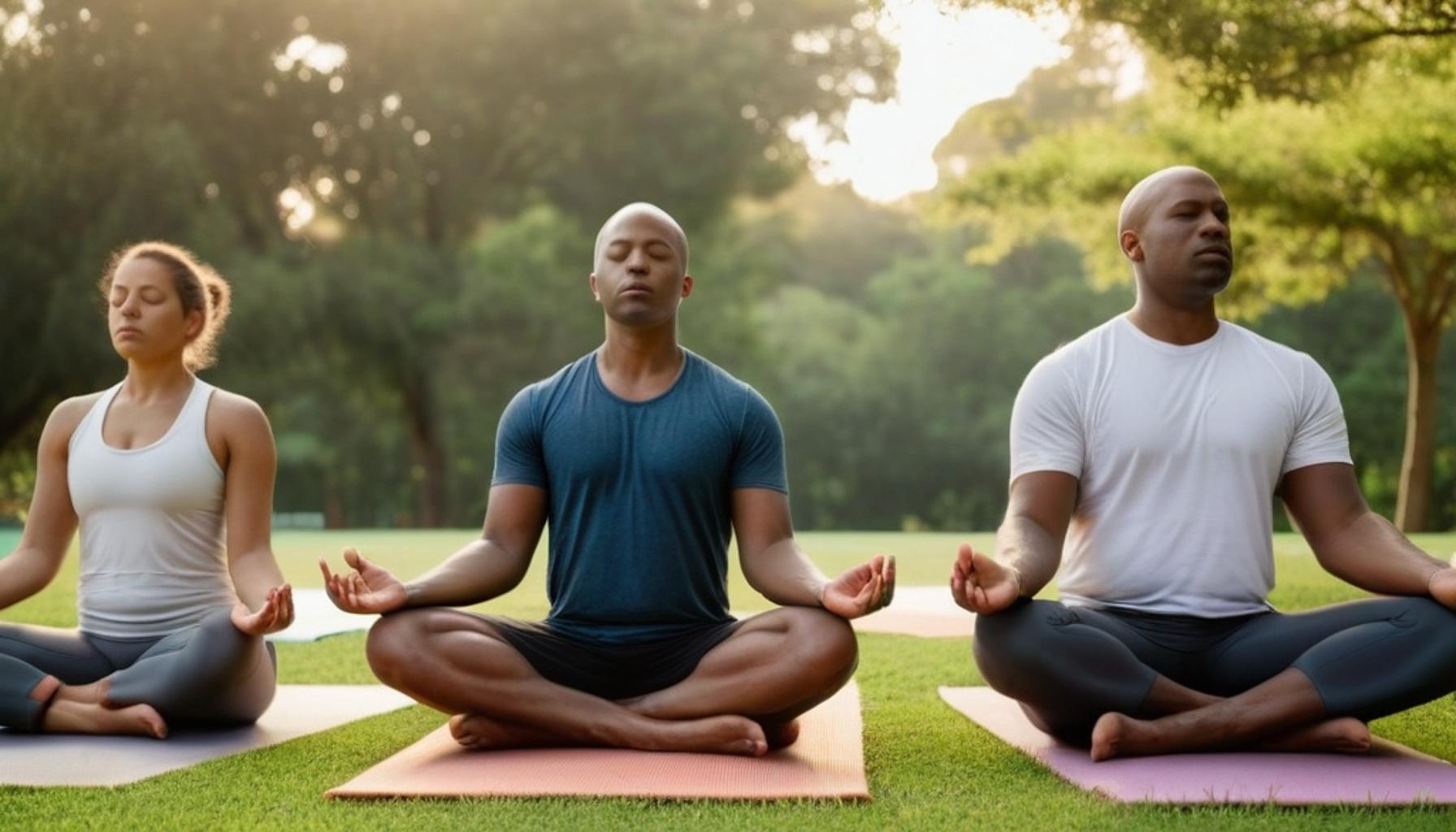
The importance of meditation in promoting mental well-being
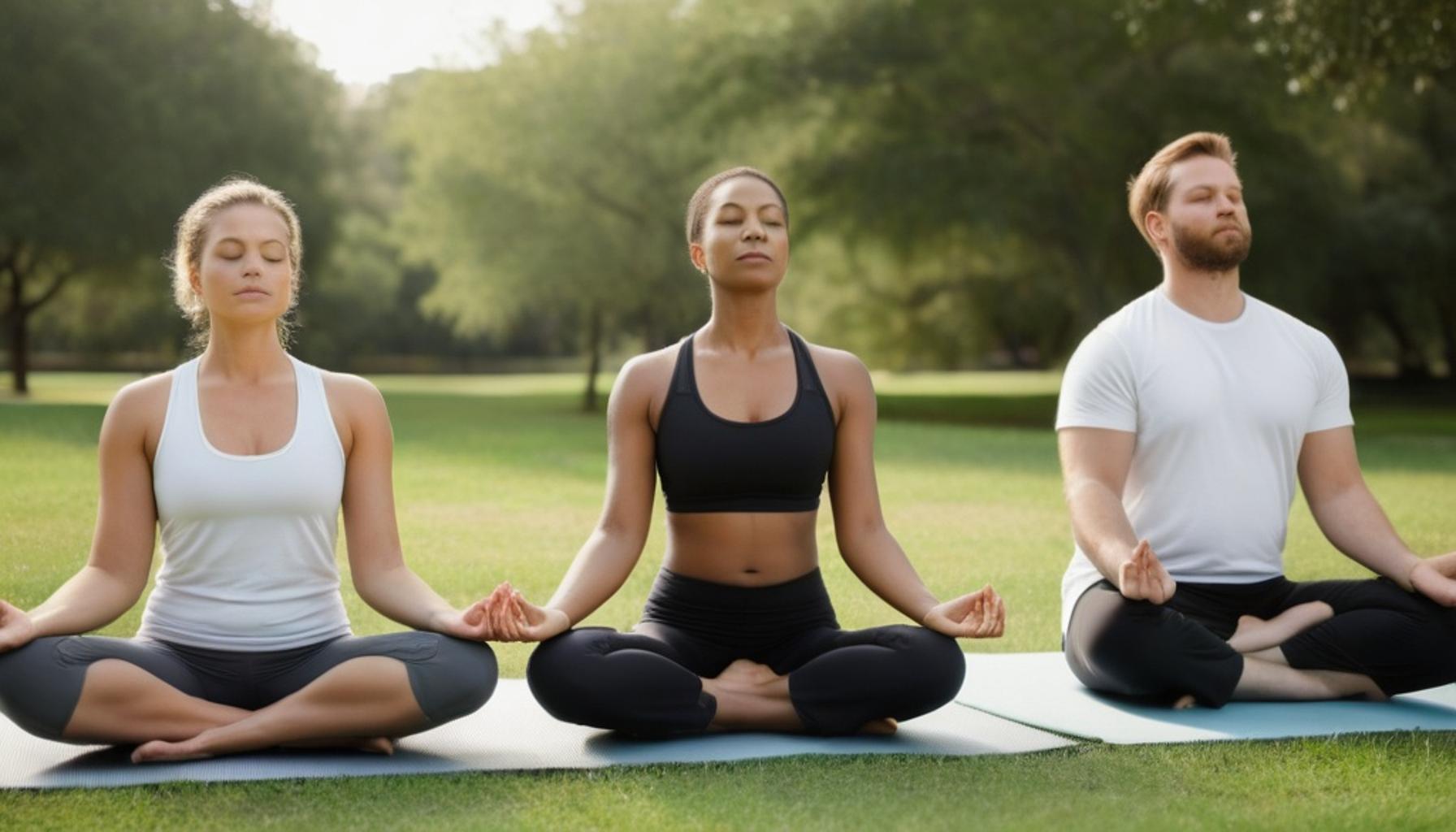
Why Millions of Americans Are Turning to Stillness
Picture this: nearly one in five U.S. adults experiences a mental health condition each year, according to the National Institute of Mental Health. Amid rising stress levels, sleepless nights, and digital overload, a centuries-old practice is making a modern comeback. From crowded subway platforms in New York City to quiet suburban kitchens in Ohio, Americans are pausing—if only for a few minutes—to breathe, sit, and simply be still.
From Silicon Valley boardrooms to Brooklyn yoga studios, the importance of meditation has never been more evident. What was once dismissed as a niche wellness trend is now backed by neuroscience and embraced by everyone from Navy SEALs to high school students. Even professional sports teams, including several NFL and NBA franchises, have added meditation coaches to their staff, signaling a cultural shift that spans generations and industries.
What Science Says About Meditation for Mental Health
Researchers at Harvard and Johns Hopkins have documented measurable changes in brain structure linked to consistent practice. Using MRI scans, scientists have observed increased gray matter density in regions associated with memory, empathy, and stress regulation. These findings help explain the growing interest in meditation for mental health as a legitimate, evidence-based tool—not just a passing fad embraced by wellness influencers.
Consider some of the documented benefits of meditation:
- Reduced symptoms of anxiety and depression, according to multiple clinical trials
- Lower cortisol levels and improved stress response, easing the body’s fight-or-flight reaction
- Better focus, memory, and emotional regulation, particularly useful in high-pressure work environments
- Improved sleep quality and reduced insomnia, a growing concern among American adults
Even brief sessions—sometimes as short as ten minutes a day—have shown measurable improvements in participants’ mood and cognitive performance, according to several peer-reviewed studies published in journals like JAMA Internal Medicine.
How Meditation Improves Well-Being in Daily Life
Understanding how meditation improves well-being starts with recognizing its accessibility. Unlike expensive therapies or medications, it requires no special equipment—just a few quiet minutes and consistent practice. Apps like Headspace and Calm, both founded in the United States, have made guided sessions available to millions, turning smartphones into unlikely tools for mental clarity.
Corporate wellness programs at companies such as Google and Apple now offer in-house meditation rooms, while public schools in cities like Baltimore have introduced mindfulness breaks to help students manage stress and improve concentration. This article explores practical meditation techniques for relaxation, the science behind mindfulness meditation benefits, and how everyday Americans are reclaiming their mental clarity—one breath at a time.
RECOMMENDED: The Importance of Practicing Gratitude for Mental Well-Being
The Everyday Practice Reshaping American Stress Levels
Walk into almost any workplace break room in Austin, Chicago, or Seattle today, and you might spot someone with eyes closed, headphones in, quietly working through a guided session. This scene, once unthinkable in a typical American office, illustrates just how mainstream the importance of meditation has become in daily life.
The shift isn’t cosmetic. It reflects a deeper recognition that mental well-being requires active maintenance, much like physical health. According to the CDC, more than 15% of U.S. adults reported symptoms of anxiety or depression in recent national surveys—numbers that spike even higher among young adults aged 18 to 25. Faced with these statistics, many are seeking alternatives that don’t rely solely on prescription medication.
This growing interest hasn’t emerged in a vacuum. Corporate wellness programs at companies like Google and Salesforce have quietly normalized meditation breaks, while insurance providers in states such as California and New York have started covering mindfulness-based therapy sessions. What was once dismissed as a niche practice tied to yoga studios or spiritual retreats has become a legitimate tool discussed in HR meetings and pediatrician offices alike.
Meditation Techniques for Relaxation That Actually Work
Not all meditation looks the same, and that variety is part of its appeal. Different meditation techniques for relaxation suit different lifestyles, schedules, and personality types. Some popular approaches gaining traction across the U.S. include:
- Body scan meditation, often used by veterans and therapists to treat PTSD symptoms
- Loving-kindness meditation, which focuses on cultivating compassion toward oneself and others
- Breath-focused mindfulness, a foundational technique taught in most beginner apps and classes
- Walking meditation, increasingly popular among office workers seeking movement during lunch breaks
Each method offers a different entry point, but the underlying goal remains consistent: training the mind to observe thoughts without becoming overwhelmed by them.
Veterans Affairs clinics across the country, from Texas to Ohio, have begun integrating body scan techniques into treatment plans for service members struggling with trauma. Meanwhile, loving-kindness meditation has found an unexpected audience among healthcare workers in cities like Boston, where burnout rates remain stubbornly high. Even walking meditation, once considered unconventional, has gained popularity in urban centers where green spaces like Central Park or Chicago’s Millennium Park offer accessible spots for a midday reset.
Why Consistency Matters More Than Duration
A common misconception is that meditation requires hours of silent sitting to be effective. In reality, researchers at the University of California, Los Angeles, have found that short, consistent sessions often outperform sporadic, lengthy ones. This finding is central to understanding mindfulness meditation benefits in a realistic, sustainable way.
For someone juggling a job in Dallas, school pickups in Denver, or night shifts in Miami, this accessibility matters. Meditation doesn’t demand a retreat in the mountains—it can happen in a parked car, during a coffee break, or right before bed.
Apps like Headspace and Calm have capitalized on this reality, designing five-minute sessions specifically for commuters, parents, and shift workers who can’t carve out large blocks of time. Some studies suggest that even ten minutes of daily practice can measurably reduce cortisol levels, the hormone most closely tied to chronic stress.
That flexibility is precisely why more Americans are folding it into daily routines rather than treating it as an occasional luxury. Schools in states like Ohio and Massachusetts have even piloted short mindfulness breaks between classes, reporting improved focus and fewer disciplinary incidents. Whether the setting is a classroom, a cubicle, or a car in a parking lot, the message emerging from researchers and practitioners alike is the same: small, steady efforts may be reshaping the country’s relationship with stress one quiet moment at a time.
LEARN MORE: The Connection Between Healthy Eating and Emotional Well-Being
What the Research Reveals About Meditation for Mental Health
Skeptics often ask whether meditation is backed by anything more than anecdote. The answer, increasingly, is yes. Neuroscientists at Harvard Medical School have used MRI scans to show that consistent practice can actually change brain structure, thickening regions associated with memory and emotional regulation while shrinking the amygdala, the area tied to fear and stress responses. Researchers tracked participants over an eight-week period and found measurable differences in gray matter density, a finding that surprised even some of the scientists involved in the original study.
This kind of evidence has pushed meditation for mental health out of the wellness aisle and into serious clinical conversation. Psychiatrists in cities like Philadelphia and Portland now routinely recommend mindfulness-based stress reduction, or MBSR, alongside traditional talk therapy for patients dealing with generalized anxiety disorder. Some clinics have gone further, training staff to lead group sessions so patients can practice together rather than relying solely on solo apps or recordings.
Quantifying the Benefits of Meditation
Numbers help ground what might otherwise sound like vague self-improvement talk. A widely cited Johns Hopkins review analyzed nearly 47 clinical trials and found that mindfulness meditation produced effect sizes comparable to antidepressants for treating mild to moderate depression symptoms. That comparison alone has fueled debate among physicians about when medication should remain the first line of defense and when mindfulness training might be introduced earlier in treatment plans.
Other benefits of meditation documented in peer-reviewed studies include:
- Improved sleep quality, particularly among adults over 55 struggling with insomnia
- Lower blood pressure readings after eight weeks of consistent practice
- Reduced symptoms of irritable bowel syndrome, linked to the gut-brain connection
- Better emotional regulation reported by teachers and nurses in high-stress roles
- Decreased reliance on over-the-counter sleep aids among long-term practitioners
These findings matter because they move the conversation beyond feeling calmer in the moment. They point toward measurable, physiological shifts that insurance companies and physicians can no longer easily dismiss. Several major insurers, in fact, have begun reimbursing structured mindfulness programs the same way they cover physical therapy sessions, signaling a shift in how the medical establishment views the practice.
How Meditation Improves Well-Being Beyond the Individual
The ripple effects extend past personal health. Understanding how meditation improves well-being on a broader scale means looking at families, classrooms, and workplaces as interconnected systems rather than isolated units.
Parents in suburban communities from Georgia to Minnesota have reported that practicing mindfulness themselves changes how they respond to their children’s tantrums or teenage moodiness. Fewer reactive outbursts at home often translate into calmer household dynamics overall, and some school counselors have started recommending family mindfulness exercises as a low-cost intervention for households dealing with chronic stress.
Employers are noticing similar patterns. A 2022 Aetna internal study found that employees who participated in a company-sponsored mindfulness program gained an average of 62 minutes of productivity per week, along with a measurable drop in self-reported stress levels. For a mid-sized company, that kind of shift can influence everything from turnover rates to healthcare costs, and human resources departments across the country have started citing the study when pitching wellness budgets to leadership.
Even professional sports teams have taken notice. NBA franchises, including the Golden State Warriors, have incorporated meditation coaching into training routines, with players crediting the practice for sharper focus during high-pressure playoff moments. Coaches have described it as a competitive edge as much as a wellness tool, one that helps athletes recover mentally between grueling road trips and back-to-back games.
What emerges from this wider lens is a pattern: meditation rarely stays contained to the individual practicing it. Its effects tend to spread outward, touching relationships, workplaces, and communities in ways that researchers are only beginning to map with precision, leaving plenty of room for future studies to explore just how far that influence can reach.
Why the Importance of Meditation Continues to Grow
Taken together, the evidence points to a practice that has outgrown its reputation as a niche wellness trend. The importance of meditation now rests on brain scans, insurance policy changes, and productivity data from major employers, not just personal testimonials. That shift alone should give skeptics reason to pay closer attention.
What stands out most is how consistently the research and real-world examples reinforce each other. Hospitals in Philadelphia and Portland recommend structured programs. Companies like Aetna measure productivity gains in actual minutes. NBA teams build it into training schedules. These are not isolated anecdotes but a pattern spanning healthcare, business, and sports.
For anyone still weighing whether to start, the barrier to entry remains low. Basic meditation techniques for relaxation, such as focused breathing or short body-scan exercises, require no special equipment and can begin with just ten minutes a day. Apps, community classes, and even employer-sponsored sessions have made access easier than ever for people in cities and rural towns alike.
The broader mindfulness meditation benefits documented so far, from lower blood pressure to improved household dynamics, suggest this is not a passing fad but a shift in how Americans approach mental health care. Whether it eventually rivals traditional treatment or simply complements it remains an open question worth watching.
What seems clear is that the conversation is far from finished. As more clinics, schools, and workplaces experiment with structured programs, researchers will likely uncover even more specific ways this ancient practice intersects with modern stressors, leaving curious readers with plenty of reasons to keep exploring what meditation might offer them personally.
Frequently Asked Questions
How does meditation actually improve mental well-being?
Meditation trains the brain to regulate stress hormones like cortisol, which reduces anxiety and improves emotional stability. Regular practice strengthens areas of the brain linked to focus and self-awareness while calming the amygdala, the brain’s fear center. Over time, this leads to better mood regulation, reduced symptoms of depression, and a greater sense of overall calm.
How many minutes of meditation per day are needed to see mental health benefits?
Studies suggest that even 10 to 15 minutes of daily meditation can produce noticeable improvements in stress levels and emotional resilience within a few weeks. Consistency matters more than duration, so practicing daily, even briefly, is more beneficial than occasional longer sessions. Many beginners in the United States start with short guided sessions using apps like Headspace or Calm to build the habit.
Can meditation help with anxiety and depression without medication?
Meditation, particularly mindfulness-based practices, has been shown in clinical research to reduce symptoms of mild to moderate anxiety and depression by promoting present-moment awareness and reducing rumination. It is not a replacement for medication in severe cases, but it can be a powerful complementary tool. Many mental health professionals in the U.S. now recommend combining meditation with therapy for a more holistic treatment approach.
What type of meditation is best for beginners seeking mental clarity?
Mindfulness meditation is generally considered the best starting point because it focuses on simple breath awareness and observing thoughts without judgment. Guided meditations, available through popular apps, are especially helpful for beginners who need structure and direction. As comfort grows, techniques like body scan or loving-kindness meditation can be introduced to deepen emotional awareness and mental clarity.

Linda Carter
Linda Carter is a writer specializing in healthy habits and balanced living. With extensive experience helping readers build sustainable routines, she shares practical guidance on nutrition, physical activity, quality sleep, stress management, and emotional well-being. Her goal is to offer simple, accessible strategies that inspire people to care for their health and enjoy a more balanced life.