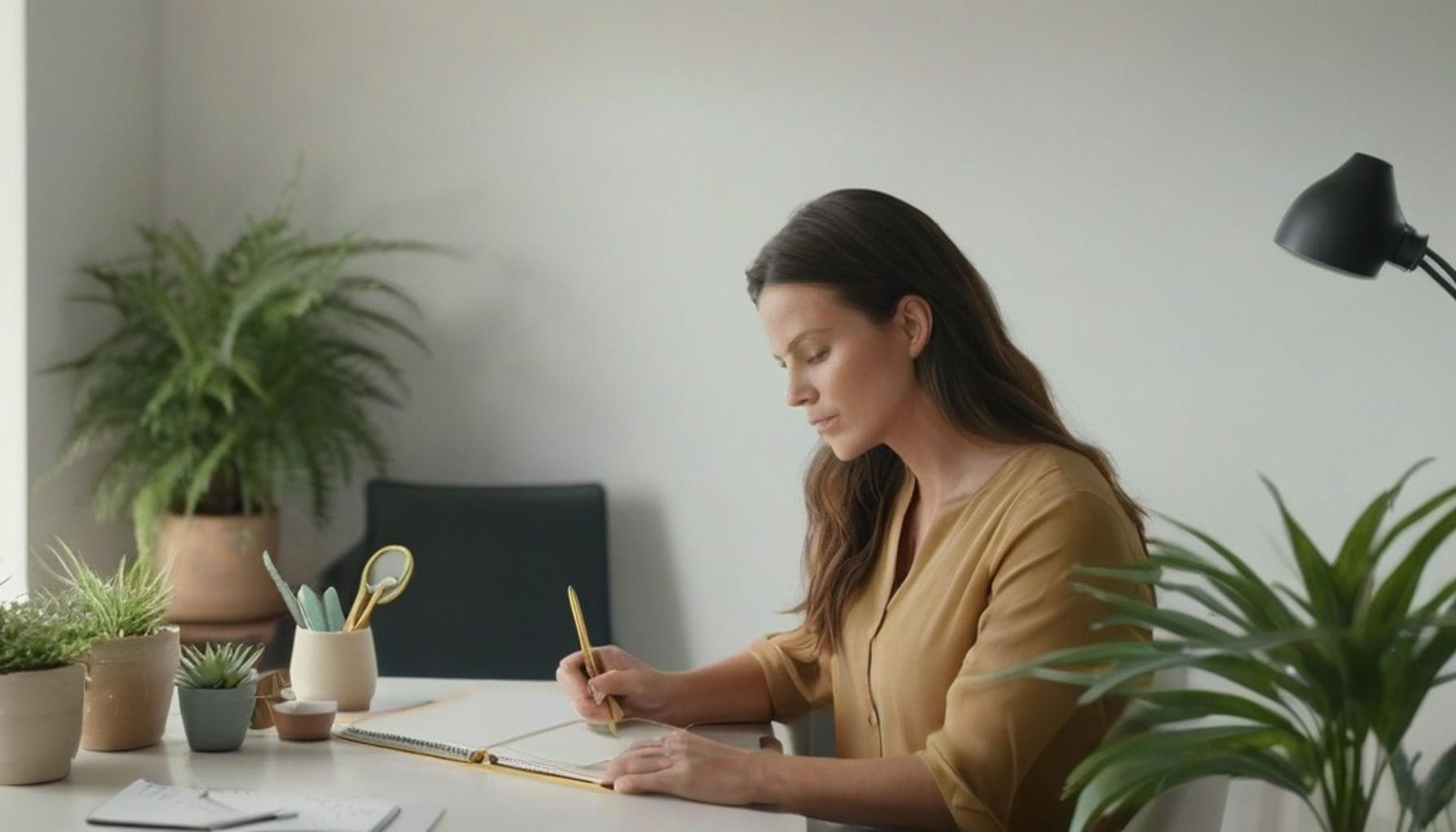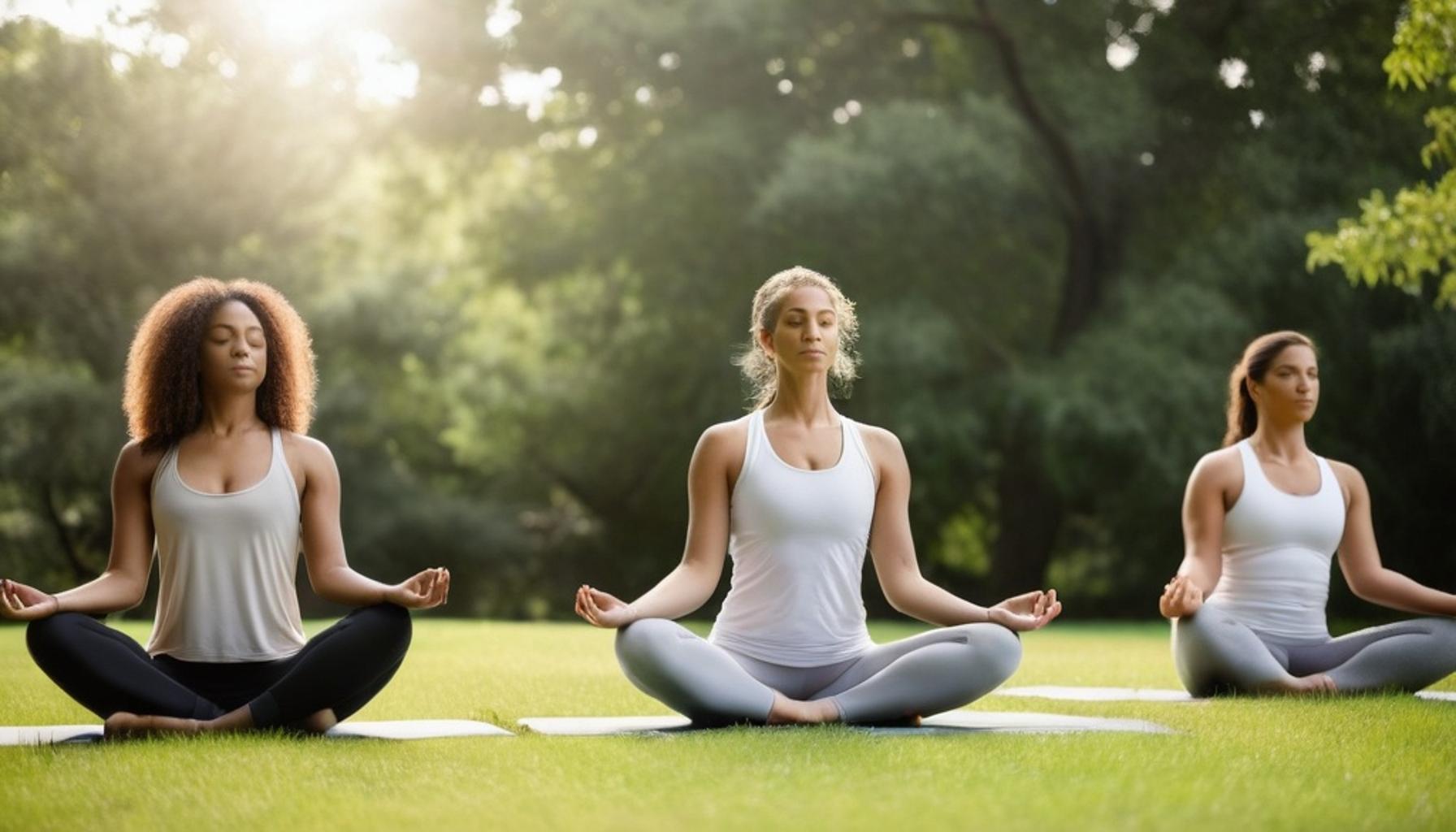
The Importance of Meditation in Stress Management: Daily Practices for Inner Peace

Why Millions of Americans Are Turning to the Cushion
Nearly 77% of Americans report experiencing physical symptoms caused by stress, according to the American Institute of Stress. From Wall Street traders to stay-at-home parents in suburban Ohio, the search for relief has led many to an ancient practice with modern science behind it.
Meditation in Stress Management has moved far beyond yoga studios and wellness retreats. It’s now recommended by cardiologists, therapists, and even corporate HR departments looking to curb burnout. Companies like Google, Apple, and Aetna have already built mindfulness programs into their employee wellness offerings, signaling that this is no longer a niche interest but a mainstream health strategy taken seriously in boardrooms and break rooms alike.
What Makes This Practice So Effective?
Research from Harvard Medical School suggests that consistent mindfulness practice can physically reshape areas of the brain linked to anxiety and emotional regulation. This isn’t just anecdotal wellness talk—it’s measurable neuroscience. Brain imaging studies have shown increased gray matter density in the prefrontal cortex, the region responsible for decision-making and impulse control, after just eight weeks of regular practice.
- Lower cortisol levels, the hormone directly tied to chronic stress
- Reduced symptoms of anxiety and depression in clinical studies
- Improved sleep quality, a common casualty of high-stress lifestyles
- Better focus and decision-making under pressure
These aren’t fringe benefits. They represent a growing body of evidence supporting meditation for anxiety and long-term emotional resilience. Veterans dealing with PTSD, nurses working double shifts in overcrowded ERs, and college students facing exam-season panic have all been part of studies showing measurable improvement after consistent practice. Even the U.S. military has explored mindfulness-based training to help soldiers manage combat stress and improve concentration in high-stakes environments.
Where Daily Habits Come Into Play
The real transformation happens not in a single session, but through daily meditation practices woven into everyday routines. Just ten minutes each morning can set a different tone for an entire day. Think of it less like a one-time fix and more like brushing your teeth—small, consistent effort that compounds over weeks and months into noticeable change.
Apps like Headspace and Calm have made this accessible to millions of Americans, offering guided sessions that fit into a lunch break or a commute on the subway. Some hospitals, including major systems in California and New York, have even begun prescribing mindfulness apps alongside traditional treatment plans for anxiety and chronic pain.
This article explores practical stress relief techniques anyone can adopt, along with the science-backed path toward inner peace through meditation. What follows may change how you start—and end—every single day.
YOU MAY ALSO LIKE: The Role of Sleep in Stress Management: Strategies for Better Rest
Walk into any hospital break room in Chicago or a tech office in Austin these days, and you might spot something unexpected: employees with eyes closed, breathing deliberately, tucked into five-minute windows between meetings. This is what modern stress relief looks like in 2024, and it’s backed by far more than good intentions.
The American Psychological Association’s annual Stress in America survey has consistently flagged money, work, and political climate as top stressors for adults nationwide. What’s changed recently isn’t the stress itself—it’s the toolkit people are using to fight back. Increasingly, that toolkit includes a practice once dismissed as fringe, now validated by neuroscience labs from Boston to San Diego.
The Biology of Calm: What Actually Happens in Your Body
When stress hits, the body releases cortisol and adrenaline, triggering the familiar fight-or-flight response. Left unchecked, chronically elevated cortisol has been linked to weight gain, high blood pressure, and weakened immune function. This is where Meditation in Stress Management earns its clinical credibility.
A study published in the journal Health Psychology found that participants who practiced mindfulness meditation for just three consecutive days showed measurably lower cortisol responses to stressful tasks compared to a control group. That’s a remarkably quick physiological shift for something that requires no medication, no equipment, and no monthly subscription fee.
Neuroimaging research adds another layer to this story. Studies using fMRI scans have shown that consistent meditators exhibit reduced gray matter density in the amygdala, the brain’s alarm system responsible for processing fear and threat. Simultaneously, activity increases in the prefrontal cortex, the region tied to decision-making and emotional regulation. In plain terms, the brain of a regular meditator appears to react less impulsively and recover faster after a stressful trigger, whether that’s a traffic jam on I-95 or a tense email from a boss.
The benefits of meditation extend beyond hormone regulation. Consider what regular practitioners report experiencing:
- A slower resting heart rate, indicating reduced cardiovascular strain
- Greater emotional distance from negative thoughts, rather than being consumed by them
- Increased activity in the parasympathetic nervous system, the body’s natural “rest and digest” mode
- Fewer stress-related physical complaints, including headaches and muscle tension
- Improved sleep quality, a downstream effect of lower nighttime cortisol levels
Not Just for Monks: Meditation’s Rebrand in American Culture
For decades, meditation carried a certain image in the United States—incense, chanting, maybe a retreat center in Sedona. That perception has largely dissolved. Today, it’s taught in Fortune 500 boardrooms, VA hospitals treating combat veterans, and public school classrooms from Baltimore to Seattle as part of social-emotional learning curricula.
Major employers have taken notice too. Companies like Google and Aetna have implemented internal mindfulness programs, with Aetna reporting that participating employees saved an average of 62 minutes per week in lost productivity tied to stress. The U.S. Department of Veterans Affairs has similarly integrated mindfulness-based stress reduction, or MBSR, into treatment plans for veterans dealing with post-traumatic stress, citing measurable drops in anxiety symptoms.
This cultural shift matters because it’s removed the barrier to entry. You no longer need a guru or a silent retreat to start. A firefighter in Phoenix and a schoolteacher in Vermont can both access the same guided sessions, using the same techniques, tailored to fit drastically different lifestyles. Apps, workplace wellness programs, and even five-minute YouTube tutorials have democratized a practice once reserved for spiritual seekers.
Building a Practice That Sticks
What ties it all together is consistency, not perfection. The goal isn’t to eliminate stress entirely—an unrealistic promise in any modern American life—but to build a sustainable, science-supported response to it. Researchers suggest that even brief daily sessions, as short as ten minutes, can produce cumulative benefits over weeks and months, gradually reshaping how the nervous system interprets everyday pressure.
As more clinical trials emerge and workplace adoption grows, meditation is shedding its last traces of novelty. It’s becoming something closer to a public health tool, one increasingly recommended alongside exercise and nutrition. Whether practiced during a lunch break in a cubicle or on a yoga mat before dawn, the underlying science remains consistent: a quieter mind may be the most accessible medicine Americans have yet to fully embrace.
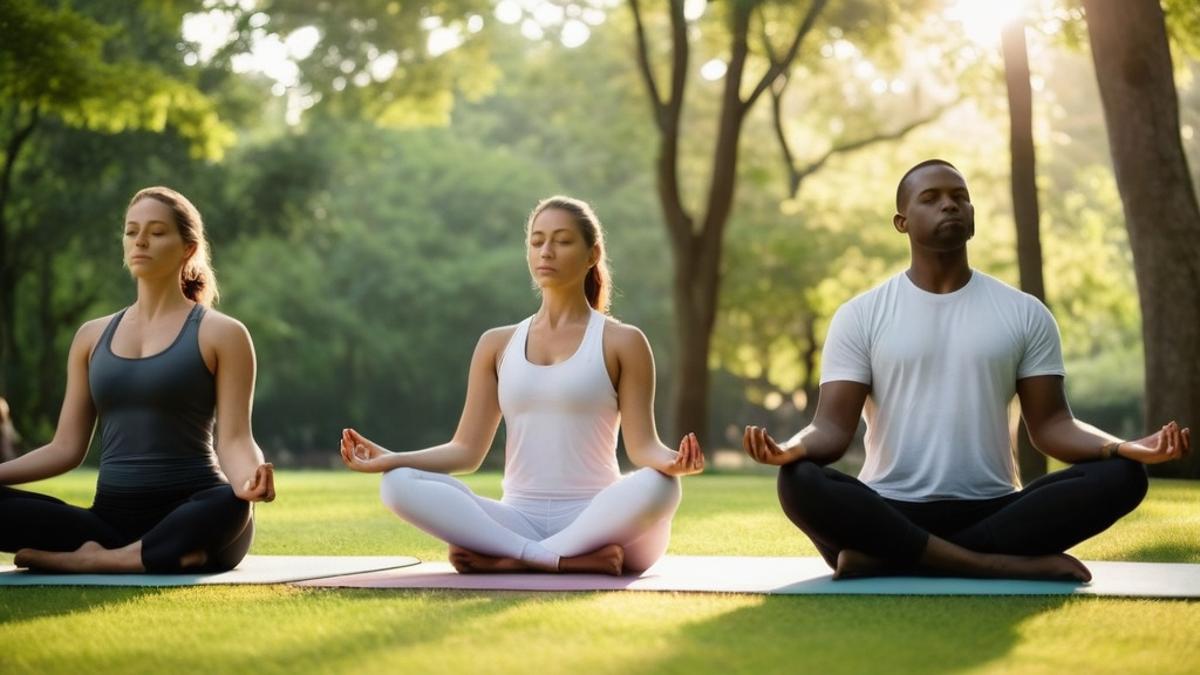
Key Aspects of Meditation in Stress Management
Understanding the core elements of meditation in stress management helps readers identify which daily meditation practices align with their lifestyle. The table below breaks down essential categories, from stress relief techniques to the long-term benefits of meditation for anxiety, offering a quick reference before diving deeper into practical routines for achieving inner peace through meditation.
| Category | Key Details |
|---|---|
| Mindfulness Meditation | Reduces cortisol levels by up to 20% within eight weeks of consistent practice |
| Breathing Techniques | Diaphragmatic breathing activates the parasympathetic nervous system, easing tension instantly |
| Daily Practice Duration | 10 to 20 minutes daily supports measurable stress relief and emotional balance |
| Anxiety Management | Regular sessions lower anxiety symptoms comparable to certain therapeutic interventions |
| Long-Term Benefits | Improved sleep quality, sharper focus, and sustained inner peace through meditation |
These categories illustrate why meditation in stress management continues gaining attention among wellness experts. Each practice offers a distinct entry point, making it easier for beginners to experiment and discover what resonates most with their personal routine.
RECOMMENDED: Physical Activity as a Stress Reliever: Finding the Right Exercise for You
Stress in America rarely announces itself politely. It shows up in clenched jaws during rush hour on I-95, in the third cup of coffee consumed just to get through a Monday, and in the quiet exhaustion that follows a day of back-to-back Zoom calls. Meditation, once dismissed as a niche practice reserved for yoga retreats or Silicon Valley wellness culture, has steadily moved into the mainstream as a legitimate tool for managing this modern chaos. The question isn’t whether meditation works, but how it can realistically fit into lives that are already stretched thin.
Why Consistency Beats Intensity
There’s a persistent myth that meditation requires long, uninterrupted stretches of silence to be effective. This misconception discourages plenty of people before they even begin. The reality, according to behavioral science, tells a different story. Small, frequent practices tend to stick, while grand plans for hour-long sessions often collapse under the weight of a busy schedule.
This is why daily meditation practices built around brief, repeatable moments have gained traction among people who genuinely don’t have spare time. A construction worker in Phoenix squeezing in three minutes of focused breathing before a shift, or a teacher in Atlanta pausing between classes to reset, illustrates how meditation has quietly adapted to fit real constraints rather than idealized ones.
Micro-Sessions: The Five-Minute Rule
Behavioral researchers studying habit formation, including work popularized by Stanford’s BJ Fogg, point to a consistent pattern: small, repeatable actions outperform ambitious ones that quickly get abandoned. Applied to daily meditation practices, this means a consistent five-minute session often produces better long-term results than an occasional 45-minute attempt.
Try starting with these accessible formats:
- Box breathing, a technique used by Navy SEALs, involving four-second inhales, holds, and exhales in equal counts
- Body scan meditation, done lying in bed before sleep, systematically releasing tension from head to toe
- Walking meditation during a lunch break, focusing attention on footsteps rather than phone notifications
- Single-task breathing breaks, pausing for 60 seconds before responding to a stressful email
None of these require a cushion, an app subscription, or a dedicated room. They require attention, which is arguably the scarcer resource in American life right now. In a culture that often treats busyness as a badge of honor, carving out even sixty seconds of stillness can feel like a small act of rebellion against the constant pull of notifications and deadlines.
Meditation for Anxiety: Targeting a Specific American Epidemic
Anxiety disorders affect an estimated 40 million adults in the United States annually, according to the Anxiety and Depression Association of America, making it the most common mental health concern in the country. This is where meditation for anxiety has generated particular clinical interest.
A randomized controlled trial published in JAMA Internal Medicine found that mindfulness meditation programs produced moderate reductions in anxiety symptoms, with effects comparable to those seen with certain antidepressant medications in mild-to-moderate cases. Researchers were careful to note meditation isn’t a replacement for clinical treatment, but rather a complementary tool worth serious consideration.
Therapists across the country, from private practices in Manhattan to community mental health centers in rural Ohio, increasingly recommend mindfulness alongside cognitive behavioral therapy, viewing the two as reinforcing rather than competing approaches. Some clinics have even begun offering group meditation sessions as part of intake programs, recognizing that patients often respond well to tools they can practice independently between appointments.
Technology’s Role in Accessing Inner Peace
Achieving inner peace through meditation no longer depends on finding a local teacher. Apps like Headspace and Calm have collectively surpassed 100 million downloads, while Apple and Samsung have built guided breathing features directly into smartwatches. This shift has made meditation as accessible as checking a weather forecast, available anywhere from a subway platform in New York City to a parked car outside a grocery store in Omaha.
Workplace wellness programs have taken notice as well. Companies ranging from tech startups in Austin to insurance firms in Hartford now offer meditation stipends or in-office quiet rooms, betting that a calmer workforce is also a more productive one. Whether this translates into measurable business outcomes remains debated, but the growing investment signals that meditation has moved well beyond its countercultural origins into something resembling standard practice.
Meditation in Stress Management: The Bigger Picture
From the gridlock of I-95 to the fluorescent hum of open-plan offices, American stress is persistent and often unavoidable. What has changed is the toolkit available for handling it. Meditation in stress management is no longer a fringe suggestion but a data-backed strategy embraced by therapists, employers, and researchers alike.
The evidence throughout this discussion points to a straightforward conclusion: effectiveness doesn’t require perfection. Three minutes of box breathing before a shift, a body scan before sleep, or sixty seconds of stillness before answering a stressful email can accumulate into meaningful change over time.
Small Habits, Measurable Benefits
The benefits of meditation extend beyond momentary calm. Clinical trials have shown measurable reductions in anxiety symptoms, while workplaces investing in wellness programs are betting on long-term gains in focus and retention. These outcomes reinforce a central theme: consistency, not intensity, drives results.
This is particularly relevant for anyone exploring stress relief techniques for the first time. There’s no need for a silent retreat in the mountains or a $200 meditation cushion. A parked car, a lunch break, or a few quiet minutes before bed are enough to start.
Where This Leaves the Modern American
Finding inner peace through meditation doesn’t erase deadlines, traffic, or inbox overload. It offers a different relationship with them. As smartwatches nudge users to breathe and clinics integrate mindfulness into treatment plans, meditation is steadily becoming less of a wellness trend and more of a practical, evidence-supported habit.
The real takeaway isn’t that meditation solves stress entirely, but that it offers a low-cost, accessible starting point. For anyone curious about meditation for anxiety or simply seeking a few minutes of daily clarity, the barrier to entry has never been lower, and the potential payoff has rarely looked more worthwhile.
Frequently Asked Questions
How does meditation in stress management actually reduce cortisol levels?
Meditation activates the parasympathetic nervous system, which lowers cortisol and adrenaline production during relaxation responses. Studies show that consistent practice, even for 10 minutes a day, can measurably reduce baseline stress hormone levels over several weeks. This physiological shift helps the body recover faster from daily stressors.
What is the best time of day to meditate for stress relief?
Many people find morning meditation helpful because it sets a calm tone before the day’s demands begin. Others prefer evening sessions to release accumulated tension and improve sleep quality. The most important factor for effective meditation in stress management is consistency, so choose a time you can realistically stick to daily.
How long does it take to see results from meditation for stress management?
Some people notice reduced anxiety and better focus within one to two weeks of daily practice. More significant changes in stress resilience and emotional regulation typically appear after 4 to 8 weeks of consistent meditation. Results vary based on session length, technique, and individual stress levels.
Can beginners use meditation in stress management without formal training?
Yes, beginners can start with simple techniques like breath awareness or body scans without any prior experience. Free apps and guided audio sessions make it easy to learn proper form and pacing. Starting with just 5 minutes daily is enough to build a sustainable habit before progressing to longer sessions.
What type of meditation works best for work-related stress?
Mindfulness meditation and brief breathing exercises are especially effective for work-related stress because they can be done at a desk in under five minutes. Progressive muscle relaxation also helps release physical tension caused by prolonged sitting or deadlines. Combining short breaks with these techniques throughout the workday prevents stress from accumulating.
Is meditation enough on its own to manage chronic stress?
Meditation is a powerful tool but works best alongside other healthy habits like regular exercise, adequate sleep, and balanced nutrition. For chronic or severe stress, combining meditation with professional support, such as therapy, often produces better outcomes. Think of meditation as one key part of a broader stress management routine rather than a standalone cure.

Linda Carter
Linda Carter is a writer specializing in healthy habits and balanced living. With extensive experience helping readers build sustainable routines, she shares practical guidance on nutrition, physical activity, quality sleep, stress management, and emotional well-being. Her goal is to offer simple, accessible strategies that inspire people to care for their health and enjoy a more balanced life.