Physical Activity as a Stress Reliever: Finding the Right Exercise for You
Why Movement Matters When Life Feels Overwhelming
Nearly 77% of Americans report experiencing physical symptoms caused by stress, according to the American Psychological Association. From tension headaches to sleepless nights, the toll is real and growing. Chronic stress has even been linked to higher rates of heart disease, weakened immunity, and digestive issues, according to the Centers for Disease Control and Prevention. Yet one of the most accessible remedies is often overlooked: movement.
Physical Activity as a Stress Reliever isn’t just a wellness buzzphrase—it’s backed by decades of research. Exercise triggers the release of endorphins, lowers cortisol levels, and gives the mind a break from spiraling thoughts. Harvard Medical School researchers have found that just 30 minutes of moderate activity can noticeably reduce anxiety symptoms within hours. The challenge isn’t whether to move, but which type of movement actually works for you.
Finding the Right Fit for Your Body and Mind
Stress relief through physical activity looks different for everyone. Some people need to sweat it out, while others crave stillness and breath control. Consider these popular approaches:
- High-intensity workouts like running or HIIT for releasing pent-up energy and boosting mood through a natural endorphin rush
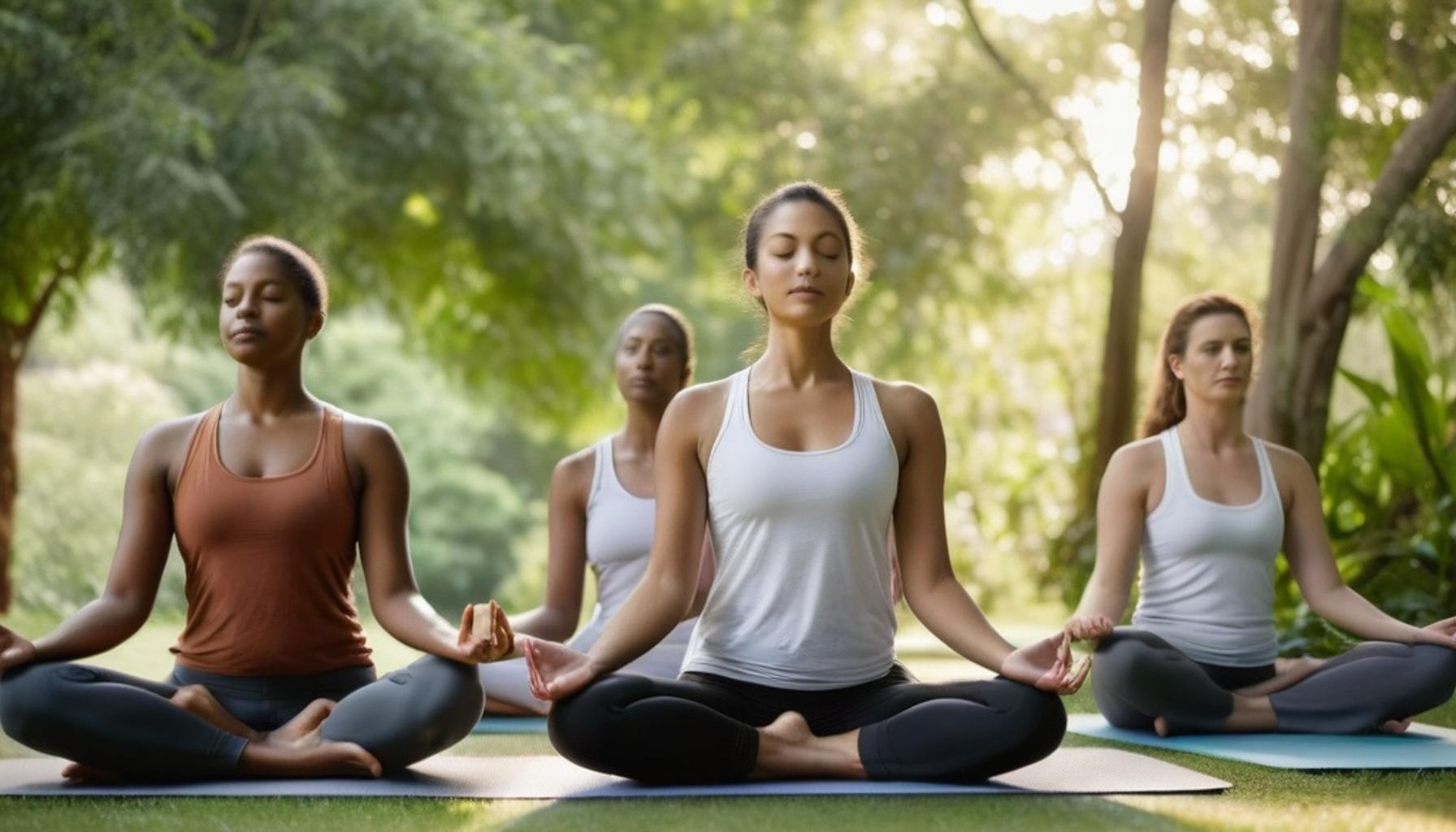
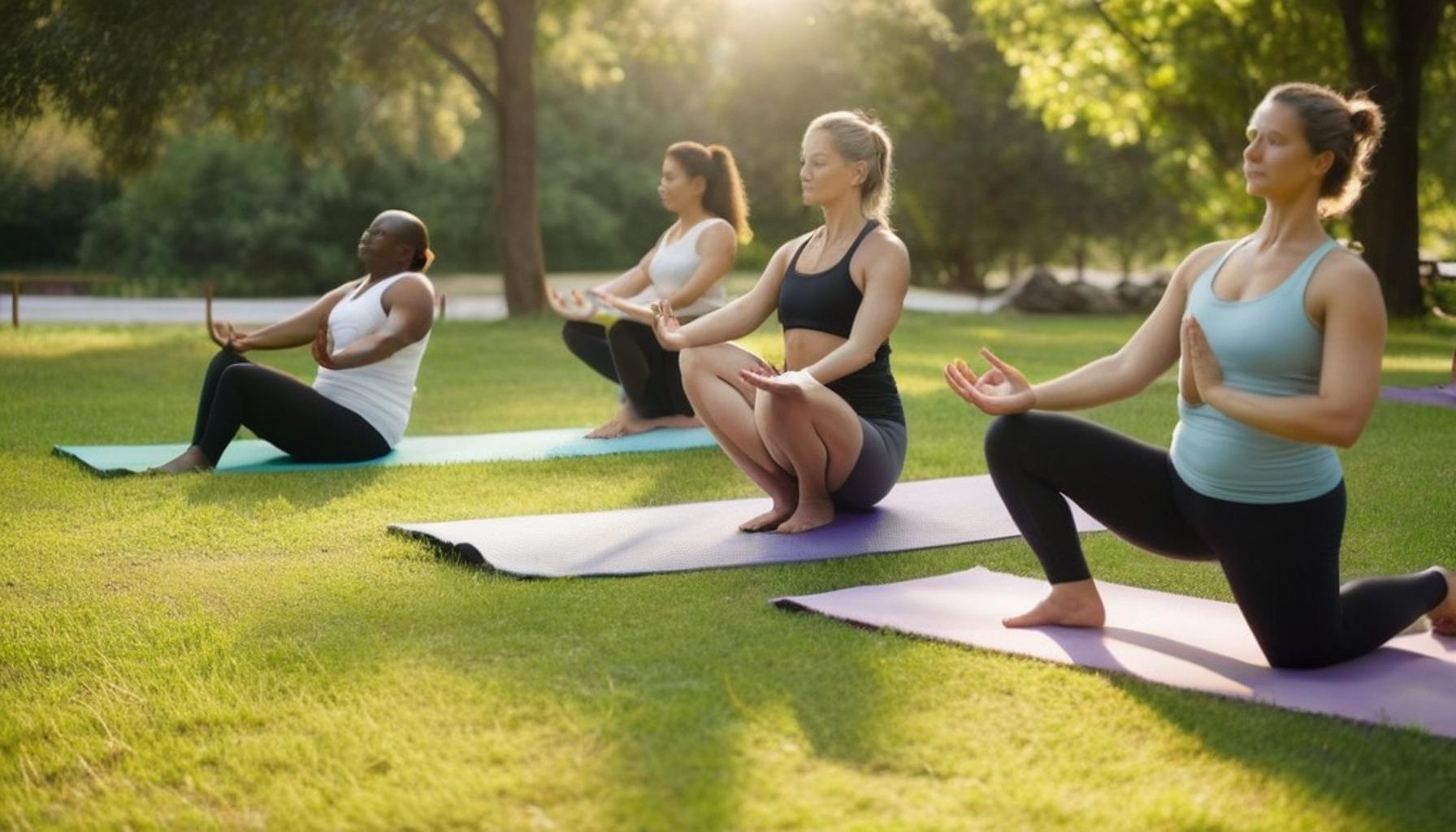
- Mind-body practices such as yoga or tai chi for calming anxiety and improving focus through slow, intentional movement
- Team sports like pickup basketball or recreational soccer leagues for social connection and welcome distraction from daily pressures
- Nature-based activities like hiking national trails or walking through local parks for mental clarity and a dose of fresh air
Understanding the types of exercise for anxiety can help you make an informed choice rather than a random one. Some people thrive on intense cardio sessions at their local gym; others need the slow, deliberate breathing of a yoga class at a neighborhood studio. Fitness trends across the country, from CrossFit boxes to community running clubs, show just how many entry points exist for stress relief.
Small Steps Toward Big Change
This article breaks down the benefits of physical activity for mental health and offers practical guidance to help you find the right exercise for you. Research from the National Institute of Mental Health suggests that consistency matters more than intensity—meaning a brisk 15-minute walk every day may outperform an occasional intense workout.
Whether you have five minutes or an hour, there’s a stress-busting option waiting to be discovered. The key is experimentation: trying different activities until one clicks with your body, schedule, and personality. In a culture that often equates productivity with constant motion, choosing to move for your mental health might be one of the most powerful decisions you make all week.
LEARN MORE: Nutrition and Stress: Foods That Help You Stay Calm
The Science Behind Sweat: How Exercise Rewires the Stressed Brain
Walk into any gym in Chicago, Austin, or Seattle on a Monday evening, and you’ll notice something: the treadmills are packed. It’s not just about fitting into jeans. For millions of Americans, that run is a lifeline after a brutal day at work.
Stress relief through physical activity works because of what happens inside the brain during movement. When muscles contract repeatedly, the body releases endorphins and serotonin, chemicals that act as natural mood stabilizers. At the same time, cortisol—the hormone most associated with chronic stress—begins to drop. A 2023 study published in the British Journal of Sports Medicine found that people who exercised regularly had a 26% lower risk of developing depression compared to sedentary peers.
What makes this especially compelling is the speed of the effect. Unlike some interventions that take weeks to show results, physical movement can shift mood within a single session. Researchers at the Mayo Clinic have documented measurable drops in anxiety symptoms after just one 20-minute walk outdoors. Some neuroscientists point to an even more specific mechanism: exercise increases blood flow to the prefrontal cortex, the brain region responsible for regulating emotional responses. This means a stressed brain doesn’t just feel calmer after a workout, it may actually function differently, with sharper focus and reduced reactivity to minor irritations.
There’s also a longer-term rewiring effect worth mentioning. Studies using brain imaging have shown that consistent aerobic activity can increase the size of the hippocampus, the region tied to memory and emotional regulation, which tends to shrink under chronic stress. In other words, exercise isn’t just a temporary distraction from anxiety, it may physically counteract some of the damage stress inflicts on the brain over time.
Not All Exercise Hits the Same Way
Here’s where things get interesting. The benefits of physical activity aren’t one-size-fits-all. Different workouts trigger different neurological responses, which is why a spin class might calm one person while leaving another feeling more agitated.
Sports psychologists have identified a few key patterns worth knowing:
- Rhythmic, repetitive movement like swimming or cycling activates a meditative state often called “flow,” reducing rumination
- Strength training builds a sense of control and accomplishment, which can counter feelings of helplessness tied to chronic stress
- Outdoor cardio combines movement with exposure to natural light, boosting vitamin D and regulating sleep-disrupting stress hormones
- Group fitness classes, from Zumba studios to CrossFit gyms, add accountability and camaraderie that solo workouts can’t replicate
This is exactly why identifying the types of exercise for anxiety that suit your personality matters so much. Someone who finds silence uncomfortable might spiral further during a solo run, while a person overwhelmed by social pressure might feel worse in a crowded class. Even something as simple as choosing between an early morning session at a local YMCA versus an evening yoga class at a boutique studio can shape how the nervous system responds.
The takeaway from researchers is consistent: the best exercises for stress relief are the ones you’ll actually stick with. Motivation fades fast when a workout feels like punishment rather than relief. Experts increasingly suggest experimenting across formats, from hiking trails in Colorado to boxing gyms in New York, until a rhythm emerges that feels less like obligation and more like release.
Exercise Types and Their Stress-Relieving Benefits
Choosing the best exercises for stress relief depends on your body’s response to movement. Research shows that stress relief through physical activity varies by exercise type, intensity, and personal preference. Below is a quick reference guide to help you find the right exercise for you.
| Exercise Category | Stress-Relief Benefit |
|---|---|
| Aerobic Cardio | Boosts endorphins, reduces cortisol within 20 minutes |
| Strength Training | Builds resilience, improves sleep quality and mood |
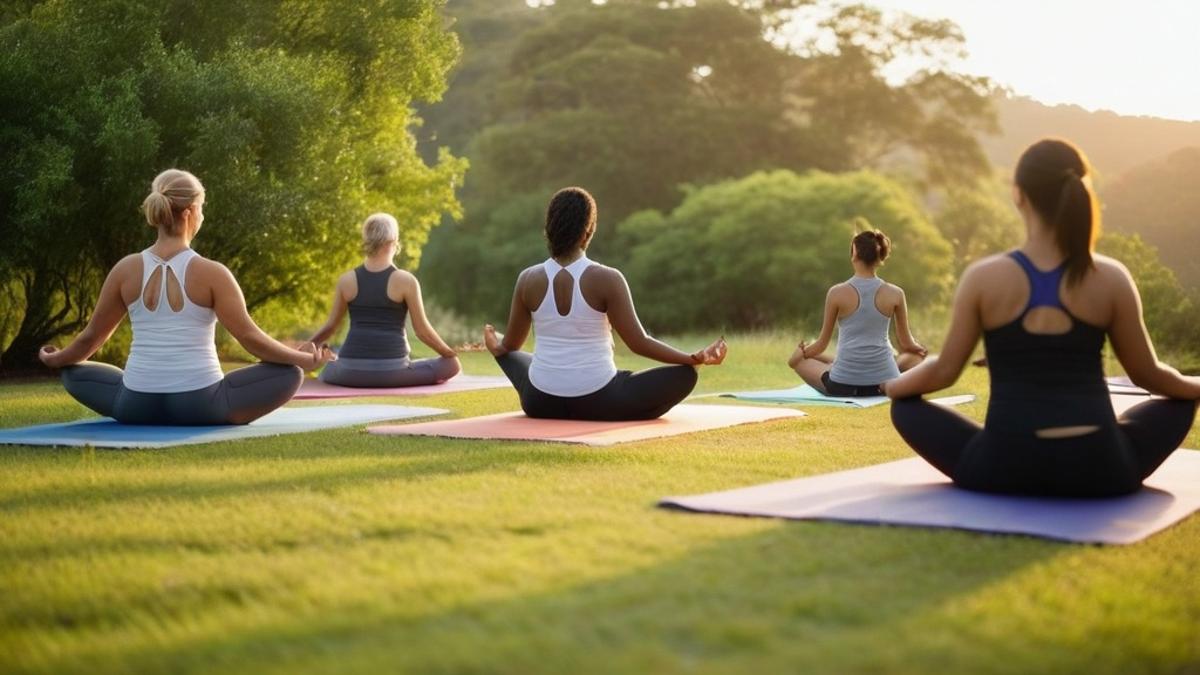
| Yoga & Stretching | Lowers anxiety through controlled breathing and focus |
| Outdoor Walking | Combines nature exposure with benefits of physical activity |
| Team Sports | Adds social connection, one of the best types of exercise for anxiety |
Each category offers a distinct pathway toward Physical Activity as a Stress Reliever, proving that consistency matters more than intensity.
SEE ALSO: The Role of Physical Activity in Reducing Stress Levels
Matching Movement to Your Personal Stress Profile
Not every stressed-out American responds to the same fix. A software engineer in San Francisco decompressing from screen fatigue may need something entirely different than a nurse in Houston coming off a 12-hour shift. Finding the right exercise for you often depends less on fitness level and more on how your particular nervous system reacts to intensity, environment, and social contact.
Researchers at Harvard Medical School have started categorizing stress responses into two broad patterns: hyperarousal, where the body feels wired and restless, and hypoarousal, where fatigue and numbness dominate. This distinction matters because it changes which workouts actually help.
- Hyperaroused individuals often benefit from calming, low-intensity movement like tai chi, restorative yoga, or slow-paced swimming, which lowers heart rate rather than spiking it further
- Hypoaroused individuals may need higher-intensity options like sprint intervals, kickboxing, or dance cardio to jolt the nervous system back into balance
This explains why the wellness industry’s obsession with high-intensity interval training (HIIT) doesn’t work universally. A 2022 survey from the American Council on Exercise found that 34% of participants who tried HIIT specifically for stress management reported feeling more anxious afterward, not less. For those individuals, gentler approaches produced far better results.
The Role of Environment in Stress Recovery
Where you exercise may matter just as much as how you exercise. Urban dwellers in cities like Los Angeles or New York often report different stress outcomes depending on whether their workout happens indoors or outside.
A study from the University of Michigan found that participants who walked through green spaces experienced a significantly greater reduction in cortisol than those who walked the same distance on an indoor treadmill. Nature exposure appears to add a layer of psychological restoration that sterile gym environments simply can’t replicate.
That said, climate and geography play a role too. Someone in Minneapolis facing brutal winters may need indoor alternatives, such as rock climbing gyms or indoor cycling studios, to maintain consistency through colder months. Consistency, researchers note, tends to matter more than the specific setting.
Listening to Biological Feedback
Wearable technology has added a new layer of insight into this search. Fitness trackers and smartwatches now allow users to monitor heart rate variability (HRV), a marker closely tied to how well the body recovers from stress. Data pulled from platforms like WHOOP and Oura have shown that individuals who tailor workouts based on their HRV scores report better long-term stress management than those following rigid, one-size-fits-all routines.
This growing body of evidence reinforces a simple but often overlooked truth: Physical Activity as a Stress Reliever isn’t about following trends or copying what works for someone else. It’s about paying attention to your own biological signals and adjusting accordingly, something that turns exercise from a chore into a genuinely personalized recovery tool.
CHECK OUT: The importance of meditation in daily stress management
The Bigger Picture on Stress Relief Through Physical Activity
Across every city, climate, and nervous system type discussed here, one theme keeps surfacing: there’s no universal prescription for calm. Physical Activity as a Stress Reliever works best when it’s treated as a personal experiment rather than a rigid formula borrowed from a fitness influencer or a generic workout plan.
The evidence gathered from Harvard’s arousal research, the University of Michigan’s cortisol studies, and wearable HRV data all point toward the same conclusion. The benefits of physical activity depend heavily on matching movement style to individual biology, environment, and even geography.
For readers still unsure where to start, a few practical takeaways stand out:
- Pay attention to whether stress leaves you wired or drained, then choose intensity accordingly
- Prioritize outdoor movement when possible, since green space appears to amplify cortisol reduction
- Use available data, whether from a smartwatch or simple self-observation, to refine routines over time
None of this diminishes the value of trying new formats. Experimenting with types of exercise for anxiety, from boxing classes in Chicago to sunrise yoga in Phoenix, remains one of the fastest ways to discover what actually resonates.
What emerges from this research is a more nuanced picture than the usual “just get moving” advice. Stress relief through physical activity isn’t about chasing trends or logging maximum calories burned. It’s about building a sustainable relationship with movement that respects how your specific body and mind respond under pressure.
As more Americans gain access to biometric feedback and stress-tracking tools, the opportunity to find the right exercise for you has never been more attainable. The science suggests that the most effective routine isn’t the trendiest one, but the one that actually listens back.
Frequently Asked Questions
How much exercise do I actually need to lower stress levels?
Research suggests that just 20 to 30 minutes of moderate exercise most days of the week can noticeably reduce cortisol and improve mood. Even shorter sessions of 10 minutes can provide an immediate stress-relief effect if that’s all your schedule allows. Consistency matters more than intensity when it comes to long-term stress management.
Is cardio or strength training better for relieving stress?
Both work well, but they relieve stress in slightly different ways. Cardio exercises like running or cycling boost endorphins quickly and help clear mental fog, while strength training builds a sense of control and accomplishment that can ease anxiety over time. The best approach is often a mix of both, depending on what you personally find enjoyable and sustainable.
What type of exercise is best if I have high anxiety rather than general stress?
Low-impact, rhythmic activities like walking, swimming, or yoga tend to work best for anxiety because they calm the nervous system without overstimulating it. High-intensity workouts can sometimes mimic anxiety symptoms like a racing heart, which may feel uncomfortable for some people. Testing a few different options can help you find what actually calms rather than triggers your anxiety.
Can I still relieve stress through exercise if I don’t have time to go to a gym?
Absolutely, physical activity as a stress reliever doesn’t require a gym membership at all. Bodyweight workouts, brisk walks around your neighborhood, or online yoga videos at home can be just as effective. The key is finding movement you can do consistently in the time and space you already have.
Why do I sometimes feel more stressed after a workout instead of less?
This can happen if the exercise is too intense for your current fitness level or if you’re already physically exhausted, which can spike cortisol instead of lowering it. It may also occur if you’re pressuring yourself to perform rather than simply moving for enjoyment. Try scaling back intensity or switching to a gentler activity like stretching or walking to see if your body responds better.
How long does it take to notice stress relief benefits from starting a new exercise routine?
Many people report feeling calmer and more clear-headed immediately after a single session, thanks to the quick release of endorphins. Longer-term benefits, like better sleep and lower baseline anxiety, typically build over two to four weeks of regular activity. Sticking with a routine you enjoy is what makes those benefits last.

Linda Carter
Linda Carter is a writer specializing in healthy habits and balanced living. With extensive experience helping readers build sustainable routines, she shares practical guidance on nutrition, physical activity, quality sleep, stress management, and emotional well-being. Her goal is to offer simple, accessible strategies that inspire people to care for their health and enjoy a more balanced life.